Why is Blackout Curtain Linen Becoming the Top Choice for Luxury Hotels?
In the pursuit of the ultimate guest experience within the luxury hospitality industry, the window treatment system is not merely a decorative element; it is the core of “Sleep Engineering.” A hotel’s primary evaluation metric is often the quality of rest it provides, and Blackout Curtain Linen represents the perfect intersection of organic aesthetics and industrial-grade functionality. Unlike traditional synthetic blackout fabrics, linen-textured blackout materials offer an “organic and natural” feel while maintaining 100% light-blocking performance. The popularity of this fabric marks a major shift in hotel design from “corporate commercialism” to “residential luxury.”
The Aesthetic Balance: Organic Texture Meets Industrial Performance
Luxury hotels strive to create a sense of “Quiet Luxury.” In the past, hospitality spaces often utilized heavy, shiny polyesters or vinyl blackout fabrics with a “plastic feel,” which made guestrooms feel cold and overly commercial.
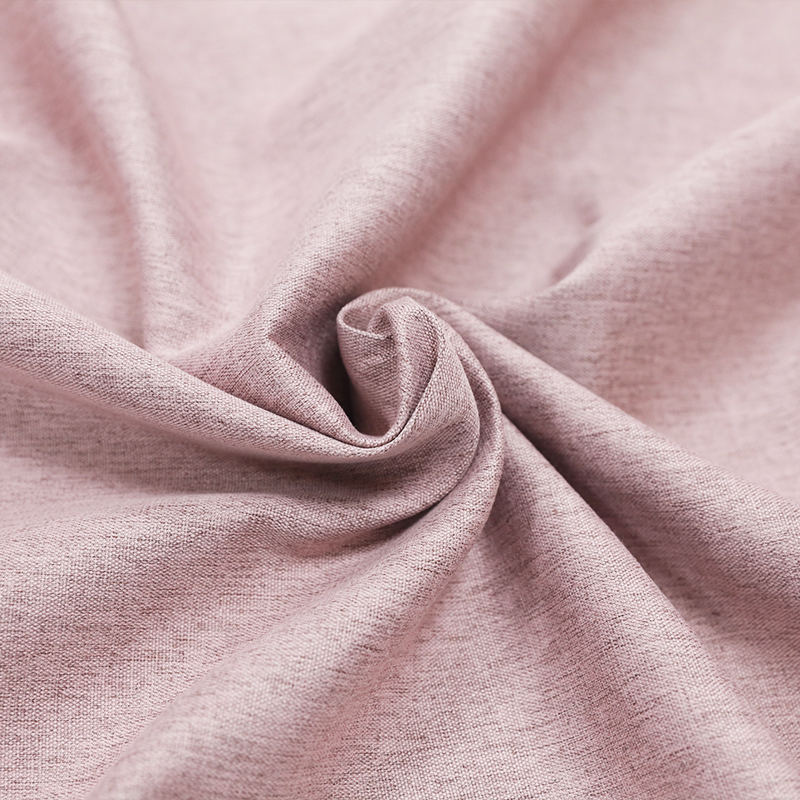
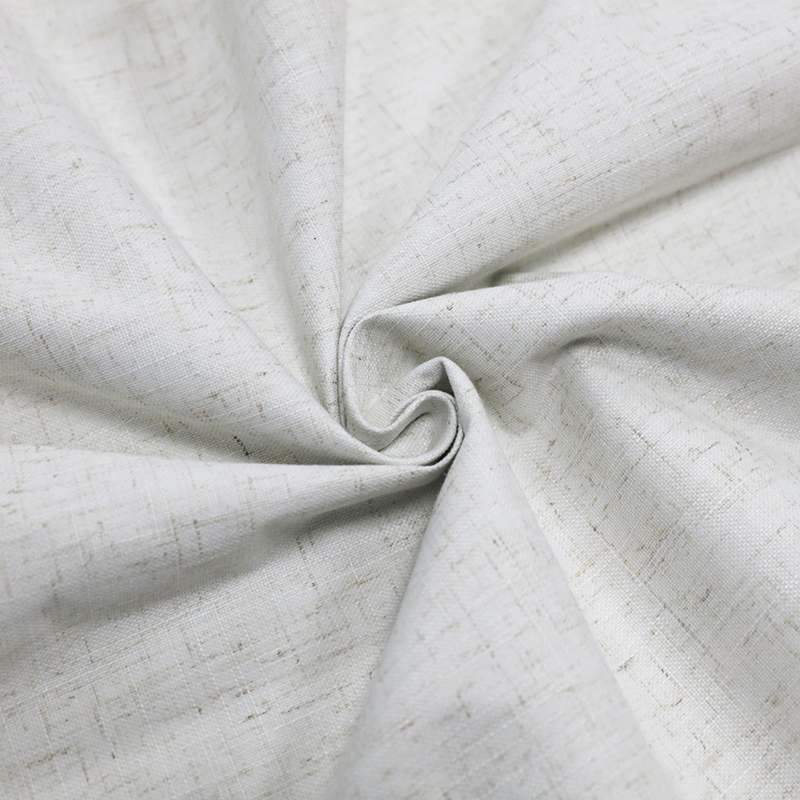
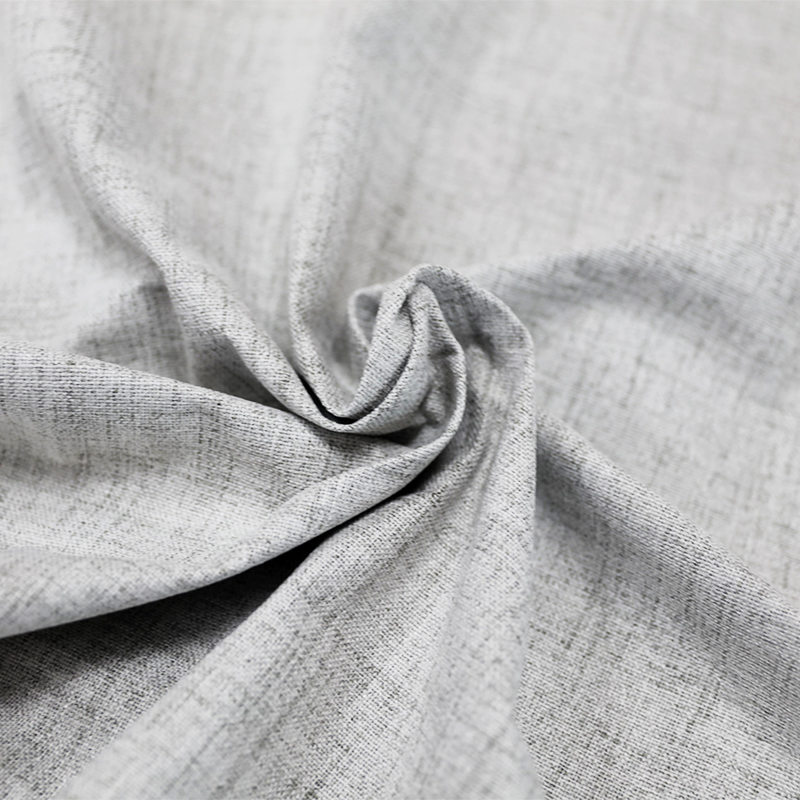
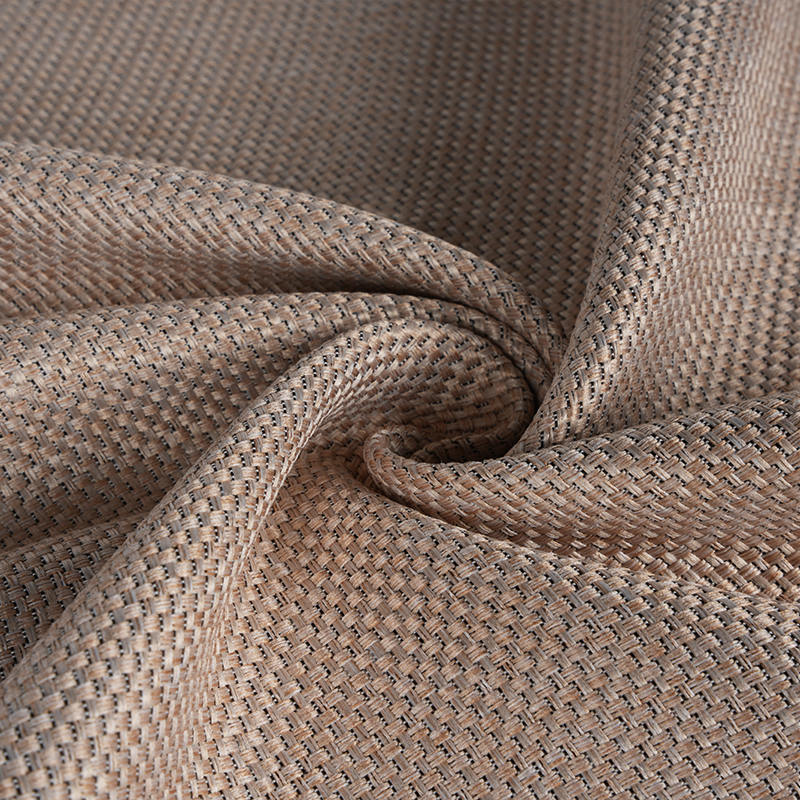
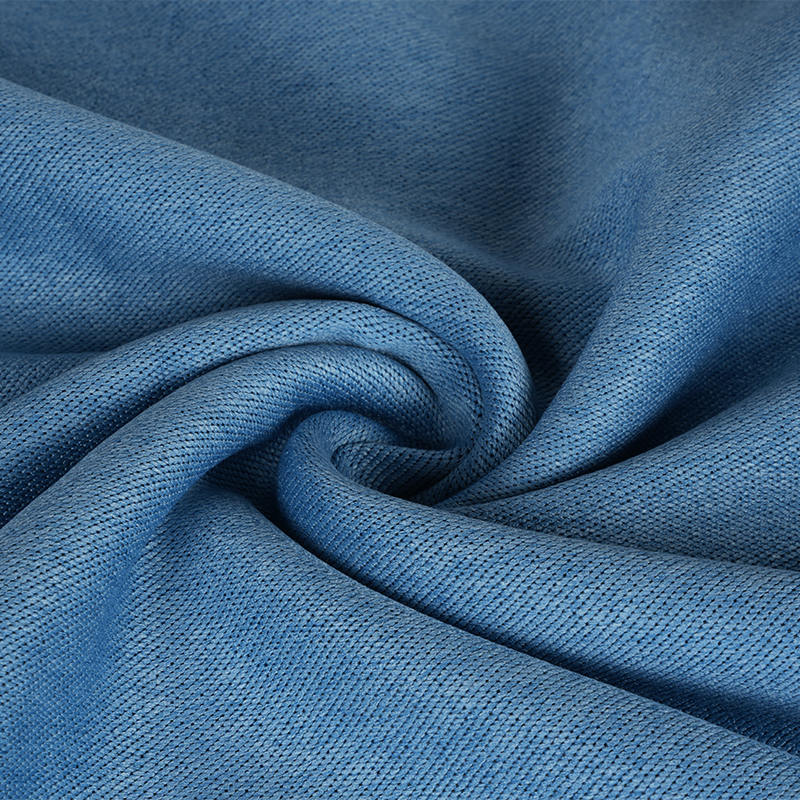
- Visual Depth of Linen: Authentic linen or high-end faux linen fabrics feature a characteristic slubbed texture. These subtle irregularities in the weave create a captivating tactile depth under ambient hotel lighting. It is no longer just a light-blocking cloth; it is a piece of artisanal furniture.
- Biophilic Design Trends: Modern luxury design increasingly favors natural materials. The tones and textures of linen blend seamlessly with solid wood furniture, marble surfaces, and high-thread-count cotton bedding, creating a cohesive sensory experience that pure synthetic fabrics simply cannot replicate.
Technological Integration: The Secret of 100% Opacity
For international travelers dealing with jet lag, deep sleep during the day is vital. This means the fabric must achieve physical total darkness.
- Multi-Layer Coating Technology: Premium Blackout Curtain Linen typically utilizes “4-Pass Coating” technology. This involves applying four microscopic layers of acrylic or silicone to the back of the linen base fabric.
- Seamless Integration of Look and Function: This technology ensures that the front of the curtain appears as light, breathable linen, while the back acts as an impenetrable light barrier. Whether it is a sunny California noon or a neon-lit Manhattan night, the guestroom remains a perfect “sleep cocoon.”
Technical Superiority: Why Linen-Textured Fabrics Outperform Standard Materials?
Beyond its pleasing appearance, Blackout Curtain Linen provides a suite of technical solutions tailored to the operational challenges of the hospitality industry.
Superior Thermal and Acoustic Insulation Performance
Luxury suites are often located in busy urban centers where street noise and sharp temperature fluctuations can disrupt a guest’s stay.
- Thermal Regulation: Linen fibers are naturally thermoregulating, and their porous structure allows for the storage of microscopic air pockets. When linen is combined with a thick blackout coating, it becomes a powerful thermal barrier. In summer, it can reflect up to 90% of heat radiation; in winter, it prevents indoor heat from escaping through cold glass. This not only improves comfort but also significantly reduces the energy consumption of a hotel’s large-scale HVAC systems.
- Acoustic Dampening: The high weight of this fabric (typically between 350-480 GSM) grants it excellent sound absorption properties. it effectively absorbs indoor echoes and dampens the penetration of external street noise, ensuring the luxury experience remains quiet and private.
Unmatched Durability and Maintenance Efficiency
Hotel curtains face frequent handling and prolonged exposure to intense sunlight, which can lead to “photo-degradation” or fading in inferior materials.
- Fiber Strength: Linen is one of the strongest natural fibers known to man, with a tensile strength several times that of cotton. In high-quality Blackout Curtain Linen, a blend of linen and polyester is often used to retain the beauty of linen while enhancing wrinkle resistance and dimensional stability.
- UV Stability: The blackout coating not only blocks light from entering the room but also protects the linen fibers from UV degradation. The white or silver backing reflects sunlight, preventing the fabric from becoming brittle or fading over time—a critical factor for tropical resorts or high-altitude locations.
Core Comparison: Blackout Curtain Linen vs. Standard Polyester Blackout
To help procurement managers understand the value proposition, we have compared the two most common hospitality drapery materials:
| Feature |
Blackout Curtain Linen (Premium) |
Standard Polyester Blackout (Economy) |
| Visual Texture |
Rich, matte, organic slubs |
Smooth, often shiny or “plastic” |
| Tactile Sensation |
Soft, substantial, high-end |
Crisp or stiff like a shower curtain |
| Durability |
Very High (Resists pilling & UV) |
Moderate (Prone to static & fading) |
| Thermal Buffer |
Excellent (Natural fibers + coating) |
Average (Coating only) |
| Guest Perception |
5-Star / Luxury Positioning |
3-Star / Budget Positioning |
| Typical Weight |
380 - 450 GSM |
240 - 300 GSM |
Compliance and Safety: The “Gold Standard” for Hospitality Engineering
For a fabric to enter a hotel’s procurement list, it must meet safety certifications far exceeding residential standards.
Flame Retardancy (FR) Standards
In the B2B sector, safety is a non-negotiable red line.
- NFPA 701 & BS 5867: Most Blackout Curtain Linen used in hotels is either inherently flame retardant (IFR) or treated to meet the US NFPA 701 or the UK BS 5867 Type B standards. This ensures that in the event of a fire, the curtains will self-extinguish rather than act as an accelerant.
Environmental and Health Certifications
Luxury travelers are increasingly conscious of indoor air quality and sustainability.
- Oeko-Tex & Greenguard: Premium linen blackout fabrics are usually certified by Oeko-Tex Standard 100. This guarantees that the fabric is free from over 100 harmful substances, including lead, formaldehyde, and Volatile Organic Compounds (VOCs). For hotels, this translates to a “Healthy Room” guarantee for guests.
Frequently Asked Questions (FAQ)
Q1: Do hotels use 100% pure linen for blackout curtains?
Generally, no. Most top-tier hotels use a Linen-Polyester Blend. The reason is that 100% pure linen wrinkles extremely easily and can change length (shrink or stretch) based on environmental humidity. Blended fabrics retain the linen texture while offering the dimensional stability and ease of maintenance required for commercial environments.
Q2: How should hotel-grade blackout linen be cleaned?
Hospitality-grade Blackout Curtain Linen is designed to withstand professional dry-cleaning processes. The key is to avoid high-heat tumble drying, which can cause the acrylic coating on the back to stick or peel. For daily maintenance, hotels typically use handheld steamers to keep the fabric crisp while hanging.
Q3: Does the color of the fabric affect the light-blocking performance?
Because the back of the linen fabric uses multiple black-out layers (usually covered by a final white film), the blackout performance is determined by the backing. Therefore, even if you choose a very light cream or ivory linen, you will still achieve 100% total blackout without compromising sleep quality.
References and Citations
- Hospitality Design Magazine: The evolution of guestroom acoustics and light control (2024).
- Textile Science Journal: Comparative analysis of natural vs. synthetic fibers in thermal insulation (2025).
- International Standards Organization (ISO): Flame retardancy requirements for commercial drapery.

 English
 Español
 عربى
عربى

 Leave a message
