In the quest for perfect sleep hygiene, the environment of your bedroom plays a pivotal role. While many focus on mattresses and pillows, the blackout curtains fabric you choose is the ultimate gatekeeper of your circadian rhythm. Quality sleep requires a cool, dark, and quiet sanctuary—achieving this starts with understanding the textile science behind window treatments.
Polyester: The Versatile Heavyweight Champion
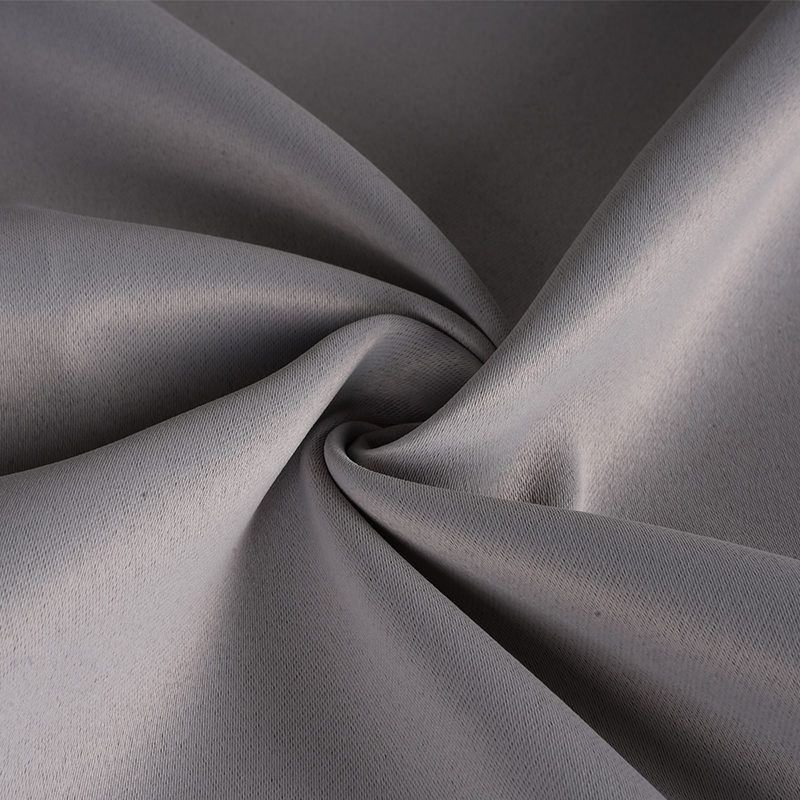
When searching for the most reliable blackout curtains fabric, Polyester consistently tops the charts. As a synthetic fiber, polyester offers a unique combination of durability, density, and cost-effectiveness that natural fibers often struggle to match.
Why Polyester Dominates the Blackout Market
Polyester’s molecular structure allows it to be woven into incredibly high-density textiles. For sleep enthusiasts, this means a “total light block” experience. Manufacturers often use high-denier polyester threads to create a light-impermeable barrier. Furthermore, polyester is naturally resistant to UV degradation, meaning your curtains won’t fade or become brittle despite constant exposure to harsh afternoon sunlight.
Maintenance and Longevity
For a busy household, the “wash and hang” nature of polyester is a significant advantage. Unlike silk or heavy cotton, polyester blackout fabrics are generally machine-washable and wrinkle-resistant. This ensures that your sleep environment remains dust-free and hypoallergenic without the need for expensive dry cleaning.
Triple-Weave Technology: The Breathable Innovation
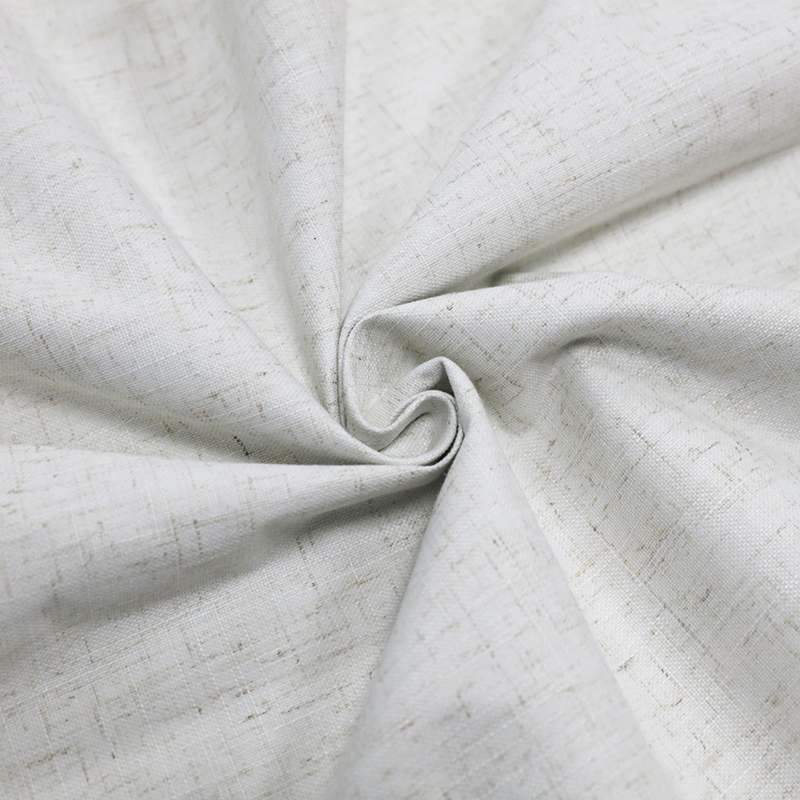
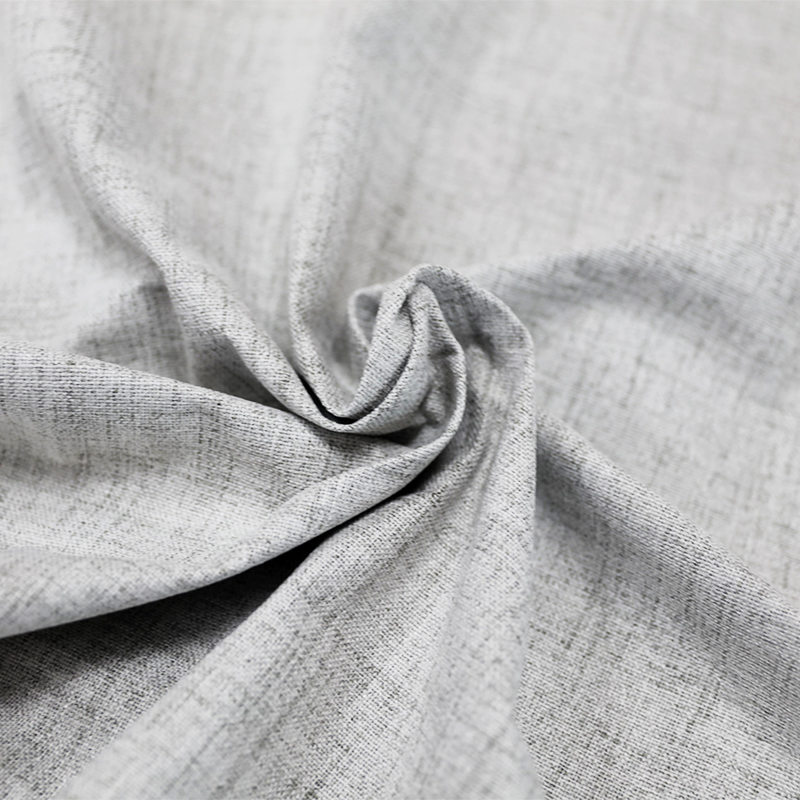
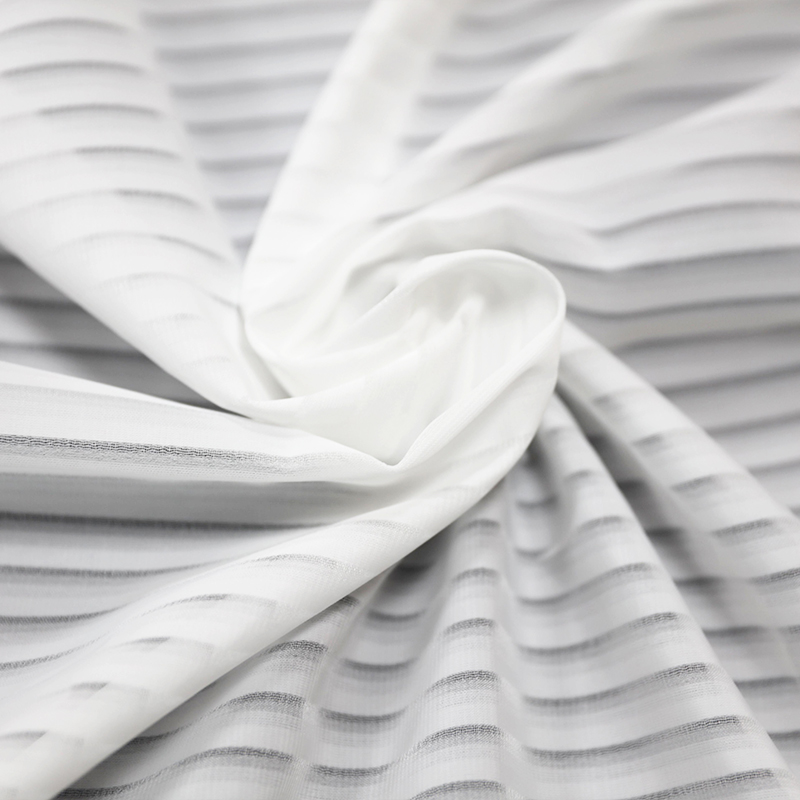
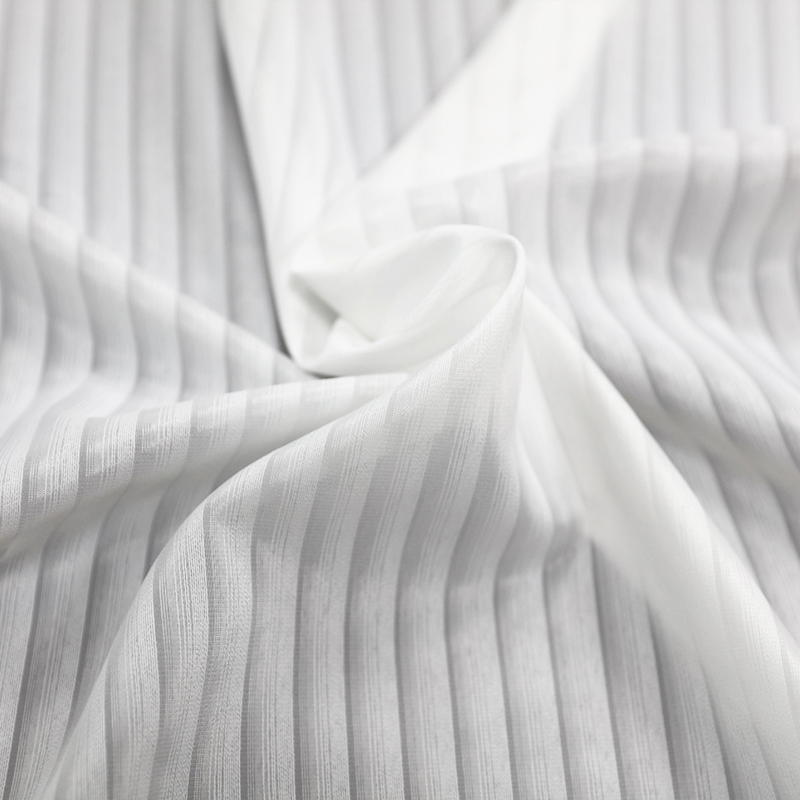
If you find traditional blackout curtains too stiff or “plastic-like,” Triple-Weave Blackout Fabric is your ideal solution. This is a sophisticated textile innovation where three distinct layers of yarn are intricately interwoven.
The Anatomy of Triple-Weave Fabric
The magic happens in the middle layer. While the front and back layers provide the aesthetic color and texture, the inner core consists of high-density black yarns. This “sandwich” construction allows the fabric to block 90% to 98% of light without the need for a stiff chemical coating.
Breathability and Aesthetics
One of the biggest complaints about “coated” fabrics is that they trap heat and have a clinical feel. Triple-weave fabric, however, maintains a beautiful drape and a soft, linen-like hand feel.
- Airflow: It allows for subtle air circulation, preventing the “stuffy room” syndrome.
- Safety: Since it lacks the foam-back coating found in cheaper alternatives, it is often lower in Volatile Organic Compounds (VOCs), making it safer for long-term exposure in bedrooms.
Thermal Insulated and Coated Fabrics: The Energy Savers
For those living in extreme climates, the best blackout curtains fabric must do more than just block light—it must regulate temperature. Thermal insulated fabrics are typically treated with an acrylic foam or a “pass” coating (such as 2-pass or 3-pass coating).
The Science of Thermal Regulation
A 3-pass blackout fabric consists of a layer of white foam, a layer of black light-blocking foam, and a final decorative layer. This construction creates an insulating air pocket between the window and your room.
- Winter Benefit: It prevents heat from escaping through the glass.
- Summer Benefit: It reflects solar radiation back outside, significantly reducing the load on your HVAC system.
ROI on Energy Efficiency
By choosing a high-performance thermal blackout fabric, homeowners can often see a reduction in energy bills by up to 25%. This makes the fabric an investment that pays for itself over time, while simultaneously providing the pitch-black environment necessary for deep REM sleep.
Performance Comparison: Choosing Your Ideal Fabric
To help you decide which material aligns with your specific sleep needs, refer to the technical comparison table below:
| Fabric Property |
Polyester (High-Density) |
Triple-Weave Fabric |
Coated Thermal Fabric |
Luxury Heavy Velvet |
| Light Blockage |
95% - 99% |
90% - 98% |
100% (Total Blackout) |
98% - 100% |
| Noise Reduction |
Moderate |
Moderate |
High |
Superior |
| Thermal Insulation |
Moderate |
High |
Excellent |
High |
| Drape/Softness |
Standard |
Best |
Stiff |
Heavy/Formal |
| Durability |
Highest |
High |
Moderate (Coating may peel) |
High |
Luxury Velvet: The Ultimate Acoustic Barrier
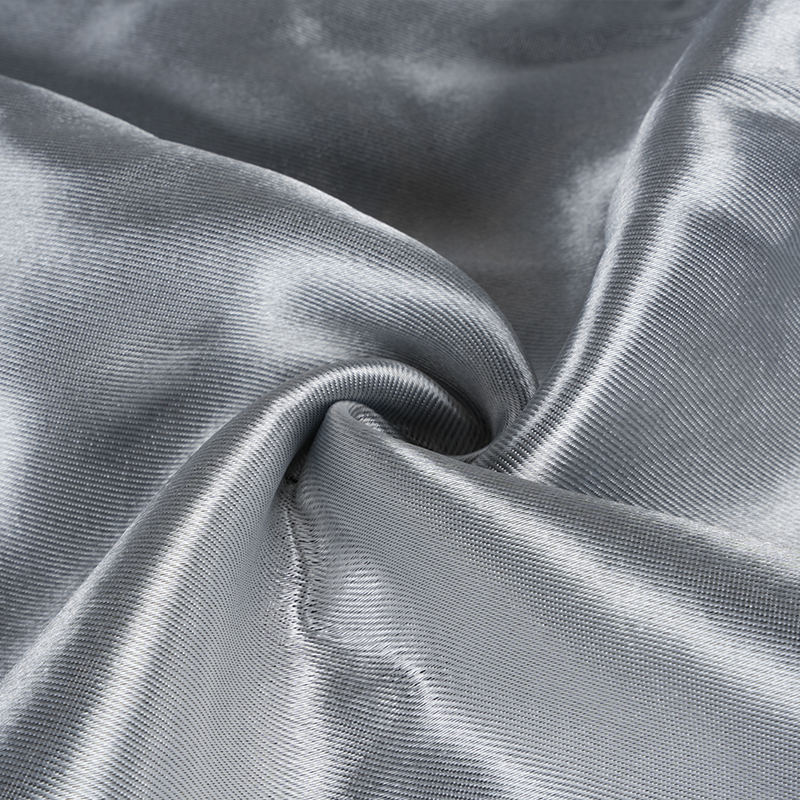
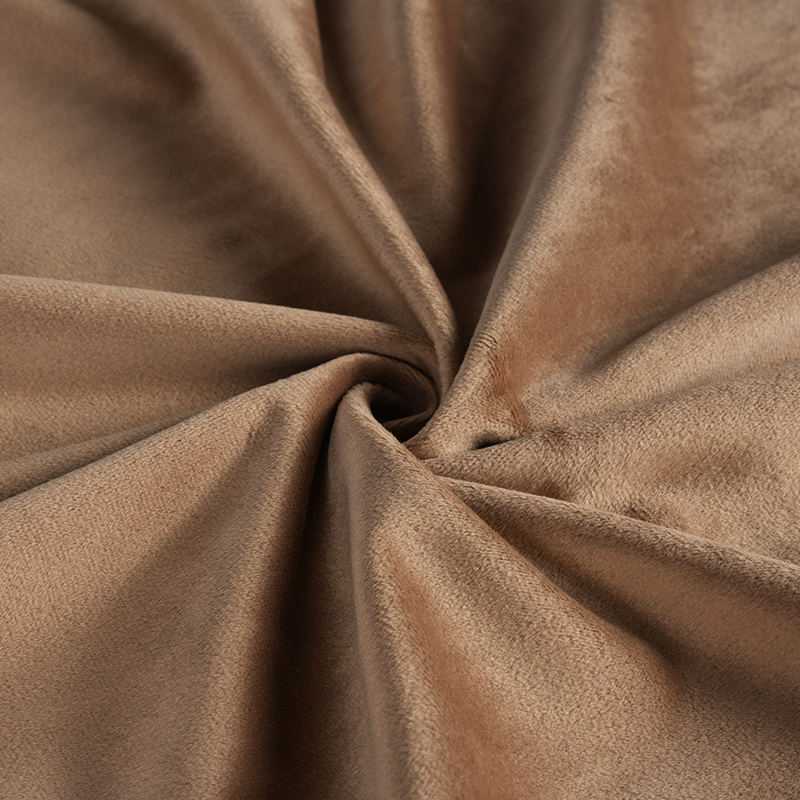
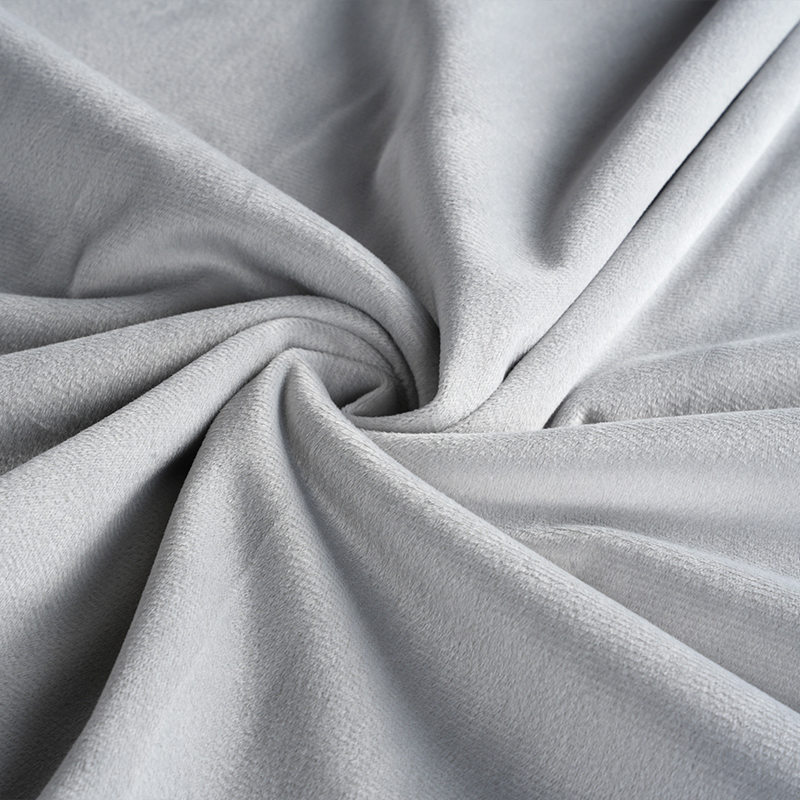
If your bedroom faces a noisy street or a bustling urban center, Heavy Velvet Blackout Fabric is the gold standard. Velvet is a “pile” fabric, meaning it has a three-dimensional surface that captures more than just light.
Sound Dampening Qualities
Standard thin fabrics allow sound waves to pass through easily. Velvet, due to its weight and density, acts as an acoustic absorber. It helps muffle the high-frequency sounds of sirens, honking, and wind, creating a “hushed” atmosphere that is essential for light sleepers.
Opulent Light Control
Because velvet is naturally thick, it provides near-total light blockage. When lined with a secondary blackout material, it becomes an impenetrable wall against streetlights and early morning sun. It adds a layer of “weighted comfort” to a room, which many psychologists suggest aids in psychological relaxation before sleep.
Frequently Asked Questions (FAQ)
Q1: Can blackout curtains fabric really improve my health?
Yes. By blocking blue light and ambient street glow, these fabrics help maintain your body’s natural production of melatonin, the hormone responsible for sleep.
Q2: Is 100% polyester blackout fabric safe for nurseries?
Absolutely. However, we recommend looking for OEKO-TEX® certified fabrics to ensure they are free from harmful substances and off-gassing chemicals.
Q3: What is the difference between “Blackout” and “Room Darkening”?
Blackout fabric is designed to block 100% of light, usually through a coating or ultra-dense weave. Room darkening fabrics typically block 75-90% of light and are better suited for living rooms than bedrooms.
References and Further Reading
- Journal of Clinical Sleep Medicine: “The Impact of Ambient Light on Sleep Architecture and Circadian Rhythms.”
- Textile Research Institute: “Thermal Resistance and Light Transmittance Properties of Multi-Layered Window Treatments.”
- International Journal of Environmental Research and Public Health: “Noise Pollution and its Effects on Sleep Quality in Urban Environments.”

 English
 Español
 عربى
عربى

 Leave a message
