Why is Fabric Weight (GSM) Critical When Choosing 100% Blackout Curtains Fabric?
When selecting the ideal 100% Blackout Curtains Fabric, many consumers and non-professional buyers focus solely on color, pattern, or the immediate “feel.” However, in the eyes of textile experts and high-end interior designers, fabric weight—usually measured in GSM (Grams per Square Meter)—is the core metric that determines light opacity, long-term durability, and the overall quality of the product.
The Physical Relationship Between GSM and 100% Light Opacity
Achieving a true “100% blackout” effect is a complex engineering feat. It typically requires multiple layers of back-coating or a high-density “triple weave” construction combined with an internal light-absorbing layer.
- Eliminating the “Pinhole Leak” Phenomenon: Lightweight fabrics with low density often suffer from “pinhole leaks,” where tiny dots of light penetrate through the weave under direct sunlight. High-weight fabrics (typically over 320 GSM) possess a much tighter base structure. This provides a stable foundation for the blackout coating, ensuring that regardless of how intense the sunlight is, the room remains in total darkness.
- Coating Adhesion and Uniformity: A substantial base cloth can absorb and support multiple layers of blackout chemicals (such as acrylic or silicone coatings) more evenly. The higher the GSM, the less likely the blackout layer is to crack or peel during frequent opening and closing, which directly dictates the lifespan of the curtains.
Extending the UV Resistance Lifespan
Fabric weight is also directly related to its ability to withstand “sun rot” and photo-degradation. Long-term exposure to intense UV rays can cause fibers to become brittle.
- Thermal Absorption and Physical Thickness: High-weight blackout fabrics act as a thicker physical barrier. More fiber mass means the fabric can absorb more radiative energy before the UV rays begin to break down the textile’s molecular structure. By choosing a heavy 100% blackout curtains fabric, you are essentially providing a long-lasting shield for your indoor furniture and flooring, preventing them from fading over time.
Visual Aesthetics: How Weight Determines the “Drape” and Luxury Appeal
In interior design, curtains are more than just functional tools; they are artistic elements within a space. Fabric weight directly influences the dynamic “drape” and tactile quality of the curtain—this is the most visible difference between budget fabrics and high-end custom textiles.
Shaping Perfect Vertical Pleats
Lightweight blackout fabrics often feel “crisp” or “plastic-like,” making them prone to unsightly wrinkling. Because they lack mass, they tend to “flare out” at the bottom, which ruins the tidy, professional look of a room.
- The Art of Gravity: High-weight fabrics (such as 350+ GSM) possess an excellent natural “drape.” Under their own weight, these curtains settle into deep, uniform, and vertical pleats without the need for additional lead weights in the hem. This “weighted” aesthetic is key to creating the luxury atmosphere found in five-star hotel suites and professional home cinemas.
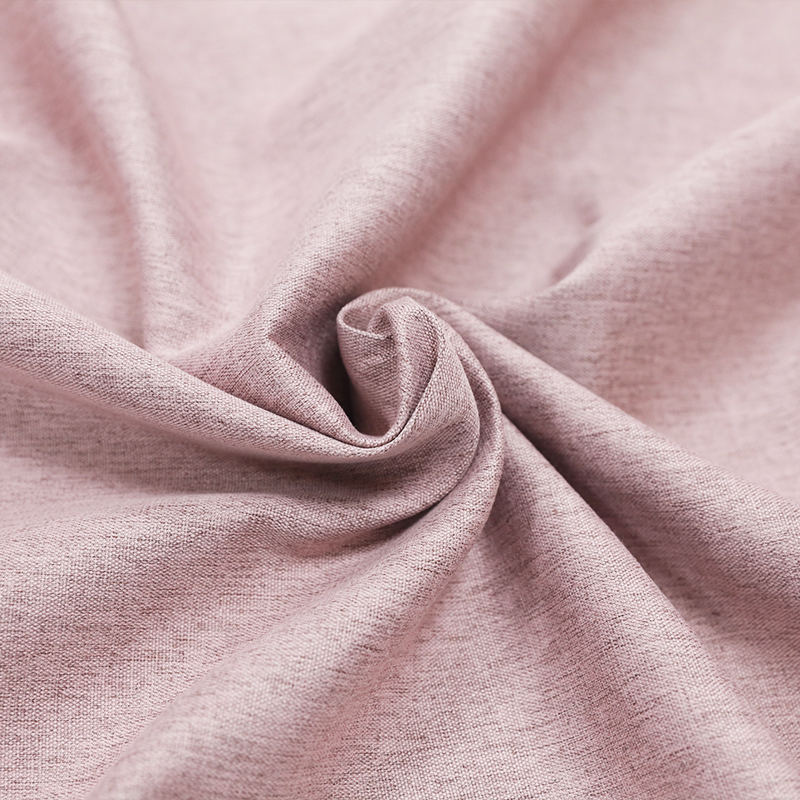
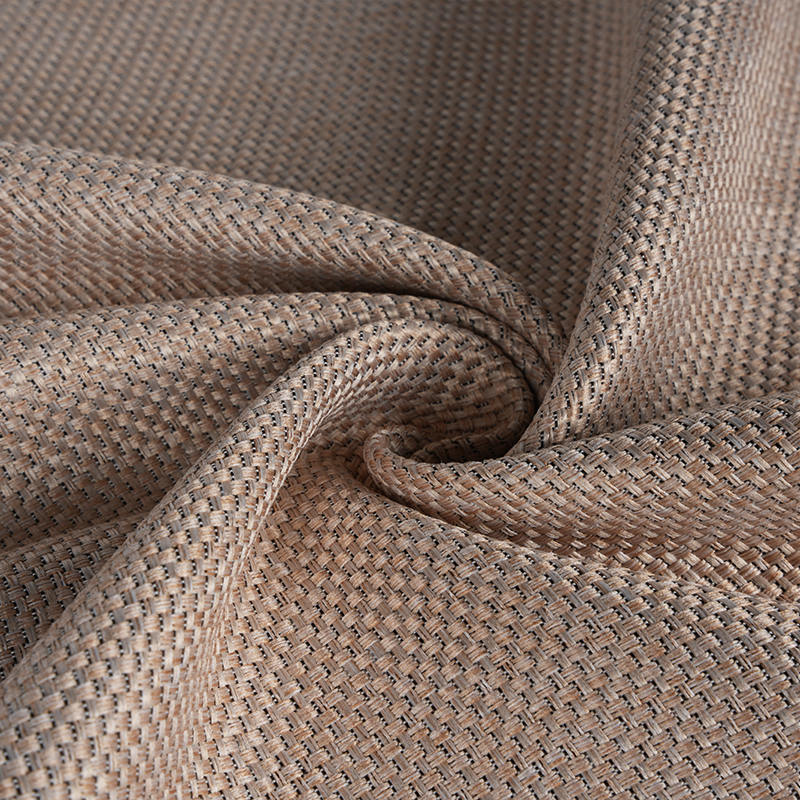
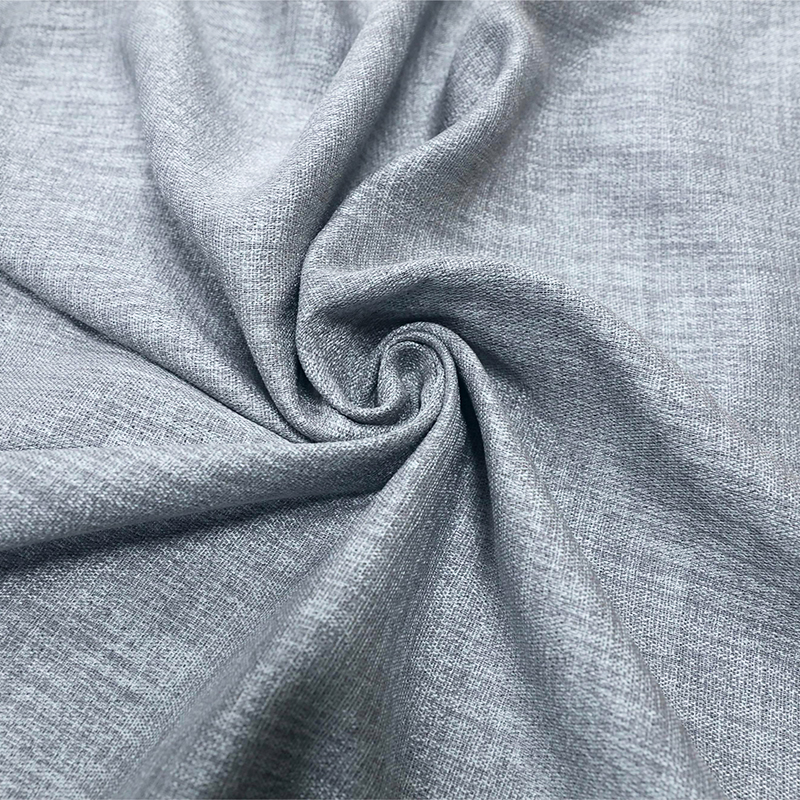
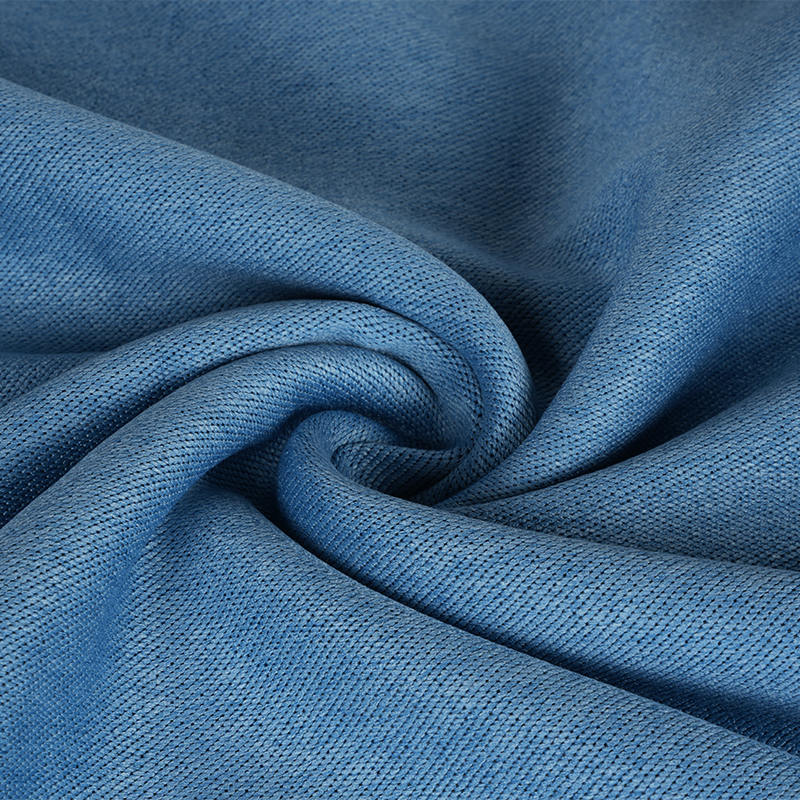
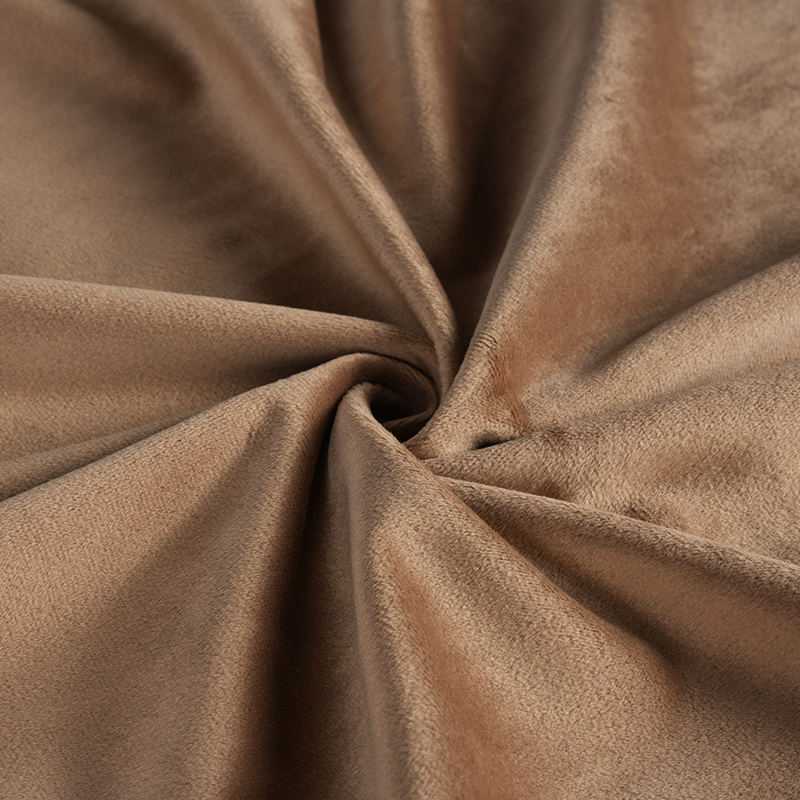
- Sensory Quality and “Hand-Feel”: Higher weight usually translates to a higher fiber density. Whether it is a linen-look, chenille, or velvet texture, a high GSM provides a fuller, more substantial “hand-feel.” This tactile quality immediately elevates the inhabitant’s perception of the room’s quality and overall comfort.
Reducing Edge Light Leakage
Lightweight curtains are easily moved by minor drafts or can curl at the edges, leading to light “bleeding” into the room. Conversely, heavy-duty blackout fabric stays flush against the window frame. Its stable texture effectively seals the gaps between the curtain and the wall, achieving a true closed-blackout environment.
Technical Comparison: Blackout Fabric Weight Categories & Applications
To assist in your engineering selection or retail procurement, we have classified blackout fabrics into four distinct weight categories:
| Weight Category |
GSM Range |
Common Application |
Performance Level |
| Lightweight |
180 - 240 GSM |
Simple liners, temporary dorms |
Unstable opacity; prone to wrinkles |
| Standard |
250 - 320 GSM |
Standard residential bedrooms |
True 100% blackout; good durability |
| Heavy-Duty |
330 - 450 GSM |
Luxury hotels, home theaters |
Excellent insulation; noise reduction |
| Commercial |
450+ GSM |
Cinemas, recording studios |
Commercial fire rating; top thermal control |
Thermal Insulation and Acoustic Benefits: The Value of High-Weight Fabrics
Beyond light control, choosing a high-weight 100% blackout curtains fabric is an effective way to optimize the indoor micro-environment. In an era of rising energy costs, this has become a core selling point for functional textiles.
Significant Thermal Insulation and Energy Savings
Thick, heavy-duty fabrics act as a thermal blanket for your windows.
- The Secret to Year-Round Comfort: In cold winters, high GSM fabrics prevent indoor heat from escaping through cold glass panes. In summer, they effectively reflect infrared radiation and block external heat waves. Research shows that rooms using heavy-weight blackout curtains can reduce air conditioning energy consumption by 20% to 30%, which is a huge draw for eco-conscious consumers.
- Regulating Micro-Climates: Compared to standard single-layer fabrics, a high-weight blackout curtain can create a temperature difference of up to 10°C between the window-facing side and the room-facing side, greatly enhancing the comfort of the area near the bed.
Noise Reduction and Acoustic Buffering
While fabric cannot be entirely “soundproof,” weight is the key variable in acoustic performance.
- Absorbing Echoes and Distant Hum: Sound waves are vibrations; the more mass a fabric has, the more vibrational energy it can absorb. Heavy-weight blackout curtains can significantly muffle indoor echoes and dampen high-frequency noises like city traffic, barking dogs, or noisy neighbors. This creates a quiet, private sanctuary, which is essential for chronic insomniacs or night-shift workers.
Frequently Asked Questions (FAQ)
Q1: Does a heavier fabric mean the curtains are harder to wash?
High-weight blackout fabrics are generally recommended for professional dry cleaning or gentle hand washing. Although they are heavier, their surfaces often feature soil-release coatings or high-density weaves that prevent stains from penetrating deep into the fibers. For coated fabrics, avoid high-speed spin drying to prevent damage to the blackout layer.
Q2: Do heavy-weight blackout curtains require special rods?
Yes. When the fabric weight exceeds 300 GSM and the window width is large, it is highly recommended to use reinforced aluminum tracks or solid wood/metal rods with extra center support brackets. This prevents the hardware from sagging or deforming over time.
Q3: Is a black fabric more effective at blocking light than a white one?
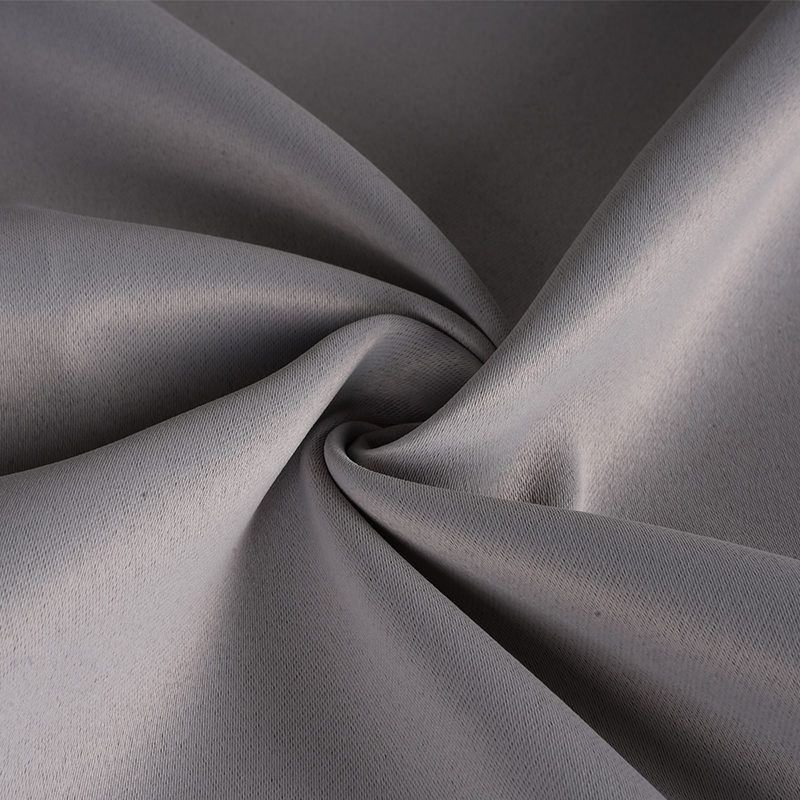
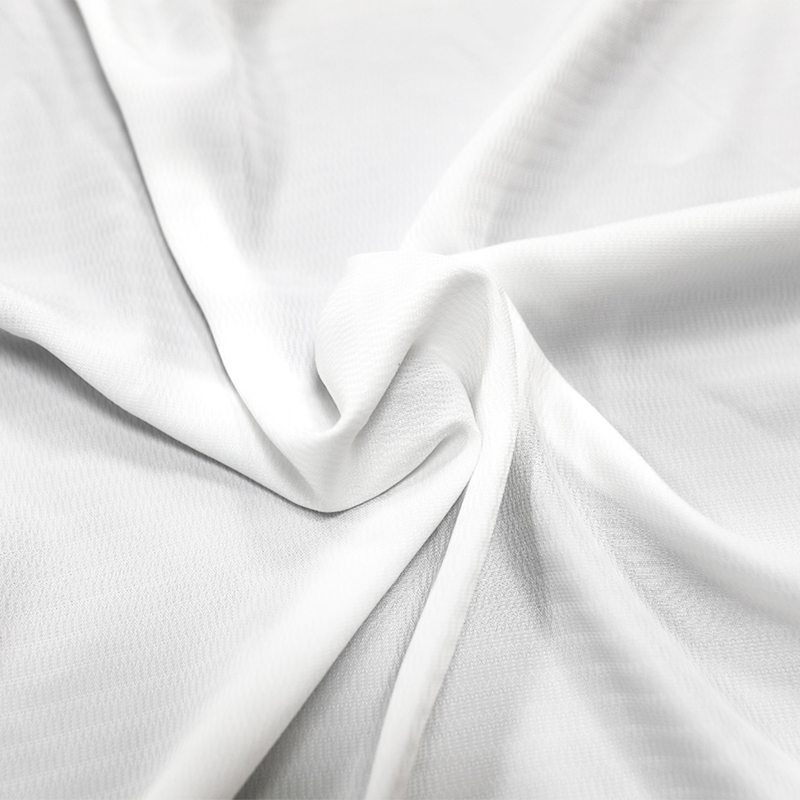
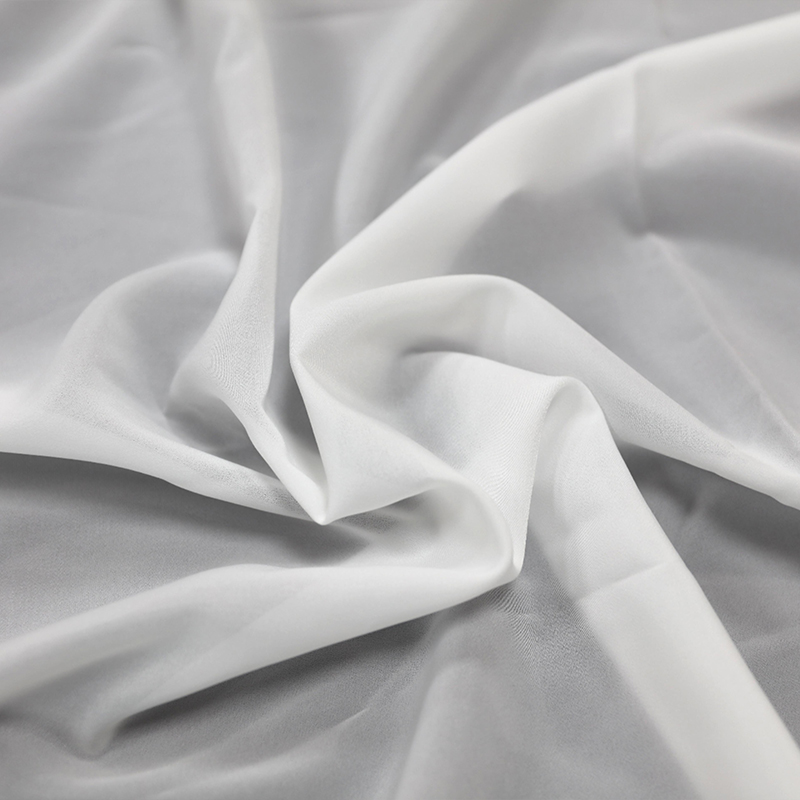
For 100% blackout fabrics, the answer is no. Because of the internal black-out layer or triple-pass back coating technology, the surface color does not affect the light-blocking rate. You can confidently choose white, beige, or light grey and still achieve a completely dark sleeping environment.
References and Citations
- Textile Research Journal: The impact of fabric density and weight on thermal conductivity in window treatments (2024).
- Environmental Science & Technology: Energy-saving potentials of high-GSM functional drapery in residential buildings.
- Oeko-Tex Standard 100: Safety and chemical compliance for multi-layer coated blackout textiles.

 English
 Español
 عربى
عربى

 Leave a message
