100% blackout curtain fabric is a specially engineered textile designed to block all incoming light from windows, creating a completely dark indoor environment. Unlike standard curtains or light-filtering fabrics, blackout materials are manufactured with multiple layers or specialized coatings that prevent light from penetrating the fabric. This type of fabric is widely used in bedrooms, hotels, home theaters, hospitals, and office spaces where complete light control and privacy are essential.
With increasing interest in energy-efficient window treatments, sleep improvement solutions, and smart home curtain systems, 100% blackout curtain fabric has become one of the most popular choices for modern interior design and architectural applications.
What Defines 100% Blackout Curtain Fabric?
The Difference Between Blackout and Standard Curtains
Not all curtains labeled as “blackout” provide full darkness. Many regular blackout curtains only block 70%–90% of sunlight, which may still allow glare or light leakage. In contrast, true 100% blackout curtain fabric is engineered to achieve complete light blockage, even under strong sunlight.
Key characteristics include:
- Multi-layer fabric construction
- High-density weaving
- Special blackout coatings or inner layers
- Thick backing materials such as foam or acrylic
These features ensure that no visible light penetrates the curtain fabric itself.
Common Applications
100% blackout curtain fabrics are commonly used in environments where light control is critical:
- Bedrooms – to improve sleep quality
- Home theaters – to eliminate screen glare
- Hotels and resorts – for guest comfort
- Hospitals and laboratories – for controlled environments
- Photography studios – for precise lighting conditions
Because of these benefits, many architects and interior designers now recommend blackout fabrics as a premium window treatment solution.
How Does 100% Blackout Curtain Fabric Completely Block Light?
Multi-Layer Fabric Structure
The most important feature of blackout fabric is its layered construction. Instead of a single woven layer, blackout fabrics typically include:
- Decorative front layer (polyester, linen blend, or jacquard)
- Blackout core layer
- Protective backing layer
The middle blackout layer acts as a light barrier, preventing sunlight from passing through the fabric.
Black Yarn Technology
Some high-end blackout fabrics use black yarn technology, where a layer of black fibers is woven between lighter-colored yarns. Black fibers absorb light instead of reflecting it, which significantly improves the curtain’s light-blocking performance.
Chemical or Foam Coating
Another common manufacturing method is triple-pass coating. In this process, manufacturers apply several layers of blackout coating to the back of the fabric.
These coatings may include:
- Acrylic foam
- Latex compounds
- Light-absorbing polymer layers
This technique ensures that even strong sunlight cannot penetrate the material.
Comparison Between Regular Curtains and 100% Blackout Curtain Fabric
| Feature |
Regular Curtain Fabric |
Standard Blackout Curtain |
100% Blackout Curtain Fabric |
| Light Blocking |
30%–50% |
70%–90% |
100% |
| Sleep Improvement |
Low |
Moderate |
Excellent |
| Thermal Insulation |
Basic |
Good |
Very Good |
| Privacy Protection |
Partial |
High |
Complete |
| Best Application |
Living rooms |
Bedrooms |
Hotels, theaters, bedrooms |
As the table shows, 100% blackout curtain fabric provides the highest level of light control and privacy, making it the preferred choice for professional and residential environments.
Additional Benefits of 100% Blackout Curtain Fabric
Improved Sleep Quality
Light exposure at night can disrupt the body’s circadian rhythm, making it harder to fall asleep. Blackout curtains create a dark sleeping environment that promotes deeper and more restful sleep. This is especially helpful for:
- Shift workers
- Babies and children
- Light-sensitive sleepers
Energy Efficiency and Temperature Control
High-quality blackout curtain fabrics also provide thermal insulation, helping maintain indoor temperatures by blocking heat in summer and retaining warmth in winter.
Benefits include:
- Reduced air conditioning usage
- Lower heating costs
- Improved energy efficiency
Because of these advantages, blackout curtains are often recommended as part of energy-saving home improvement solutions.
Noise Reduction
Although not completely soundproof, thick blackout fabrics can reduce outside noise levels by absorbing sound waves. This makes them ideal for homes near busy streets or urban environments.
Choosing the Right 100% Blackout Curtain Fabric
When selecting blackout curtain fabric for residential or commercial projects, several factors should be considered.
Fabric Material
Common materials include:
- Polyester blackout fabric
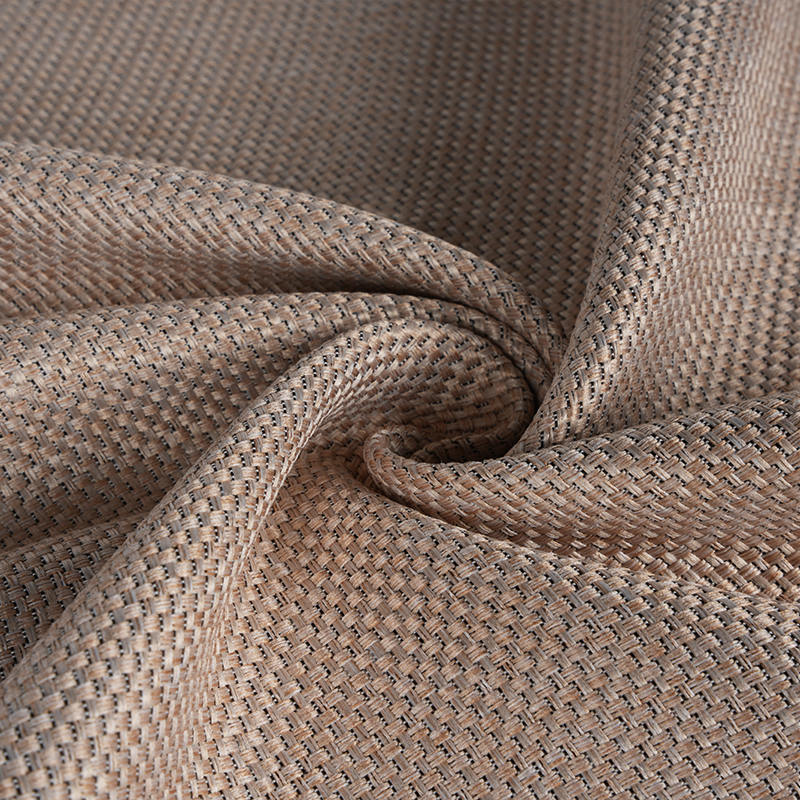
- Triple-weave blackout fabric
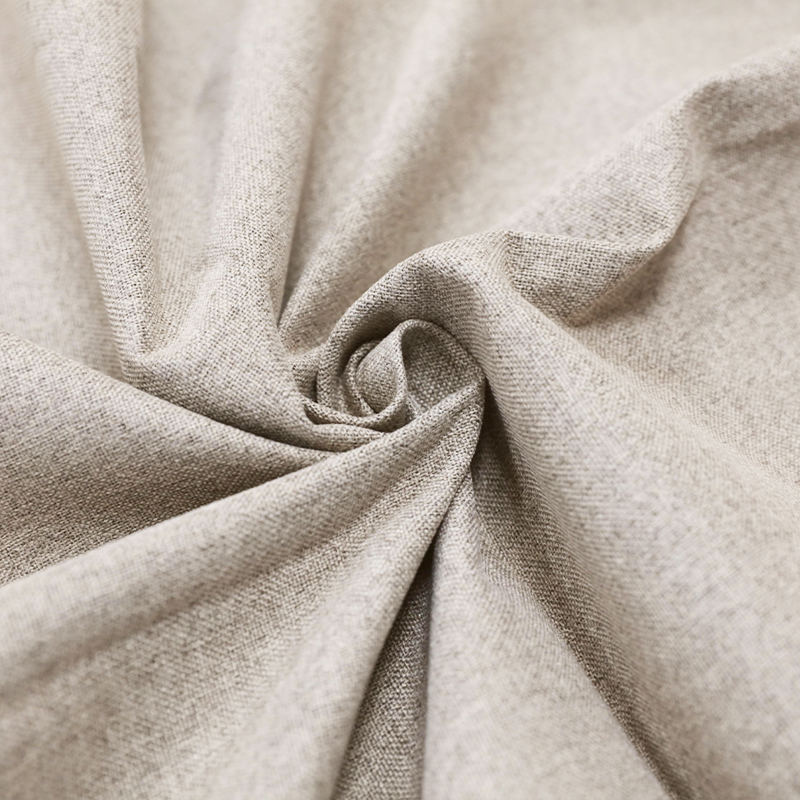
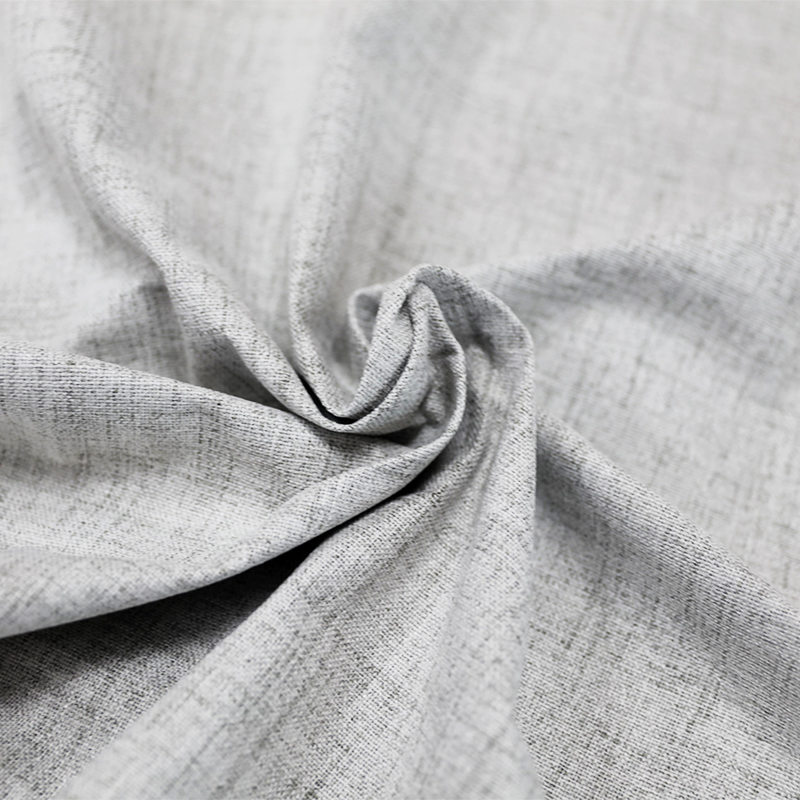
- Linen-look blackout fabric
- Jacquard blackout curtain fabric
Polyester is the most widely used option because it offers durability, affordability, and excellent blackout performance.
Compatibility With Smart Curtain Systems
Many modern homes use motorized curtains or smart curtain tracks. High-quality blackout fabrics are designed to work smoothly with these automated systems while maintaining perfect drape and movement.
Fabric Weight and Thickness
Heavier fabrics generally provide:
- Better light blocking
- Improved insulation
- Enhanced durability
However, they should still be compatible with curtain rods or motorized tracks.
Why Businesses and Hotels Prefer 100% Blackout Curtain Fabric
Hotels and hospitality projects often require complete guest comfort and privacy, making blackout curtains a standard feature in many rooms.
Key reasons include:
- Enhanced guest sleep quality
- Luxury interior appearance
- Energy-saving performance
- Long-lasting durability
For this reason, many manufacturers now offer hotel-grade blackout curtain fabrics specifically designed for commercial projects.
FAQ
What is the difference between blackout curtains and 100% blackout curtain fabric?
Standard blackout curtains typically block 70%–90% of light, while 100% blackout curtain fabric is engineered to completely prevent any light from passing through the material.
Can 100% blackout curtain fabric reduce room temperature?
Yes. Blackout fabrics provide thermal insulation, helping block heat during summer and retain warmth during winter, which improves overall energy efficiency.
Is 100% blackout curtain fabric suitable for home theaters?
Absolutely. Home theaters require zero glare and maximum darkness, making blackout curtain fabric an ideal window treatment solution.
Are blackout curtains compatible with motorized curtain systems?
Most modern blackout curtain fabrics are designed to work with smart curtain tracks and motorized curtain systems, making them suitable for smart homes and automated interiors.
How long does blackout curtain fabric last?
High-quality blackout fabrics can last 5–10 years or longer with proper care, especially when made from durable polyester or triple-weave materials.
References
- U.S. Department of Energy – Energy Efficient Window Coverings
- Sleep Foundation – The Impact of Light Exposure on Sleep
- Textile Research Journal – Advances in Light-Blocking Curtain Fabrics
- International Window Coverings Association – Standards for Blackout Curtains
- Home Energy Efficiency Guide – Thermal Insulation Benefits of Window Treatments

 English
 Español
 عربى
عربى

 Leave a message
