In the intersection of modern interior design and sleep science, Blackout Curtain Linen has emerged as the premier choice for those seeking a high-quality living environment. However, the most common question consumers ask regarding this unique natural texture is: Can it truly achieve 100% light blockage like the heavy synthetic coated curtains found in luxury hotels?
The Science of Light Blockage in Blackout Curtain Linen
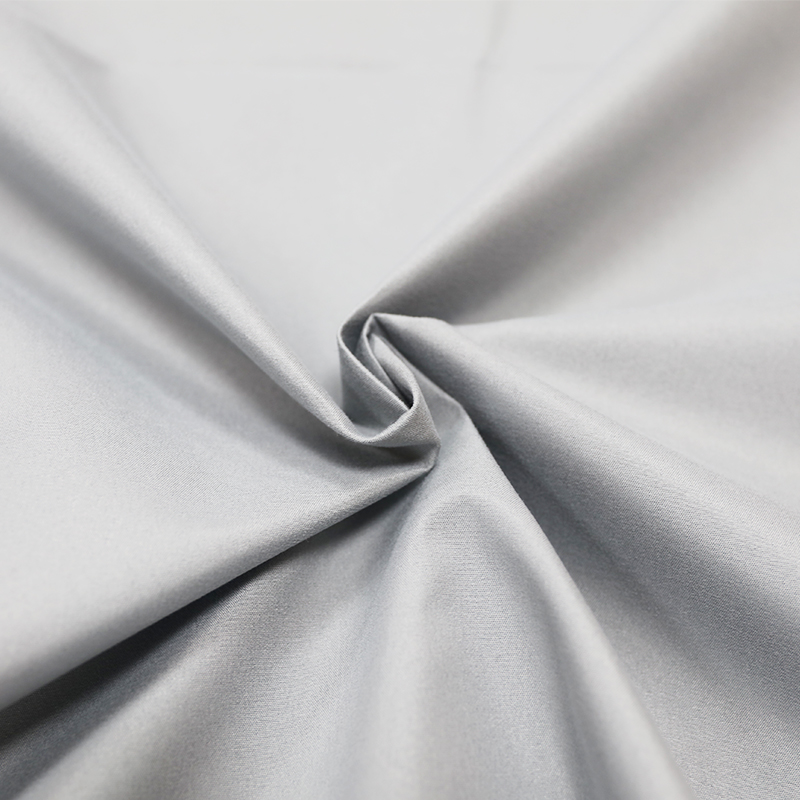
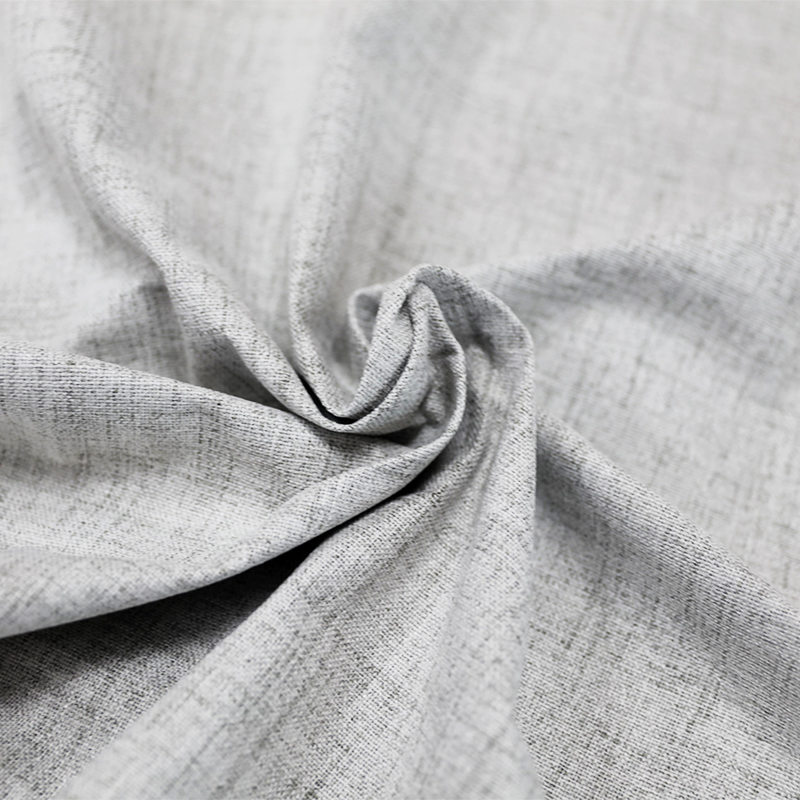
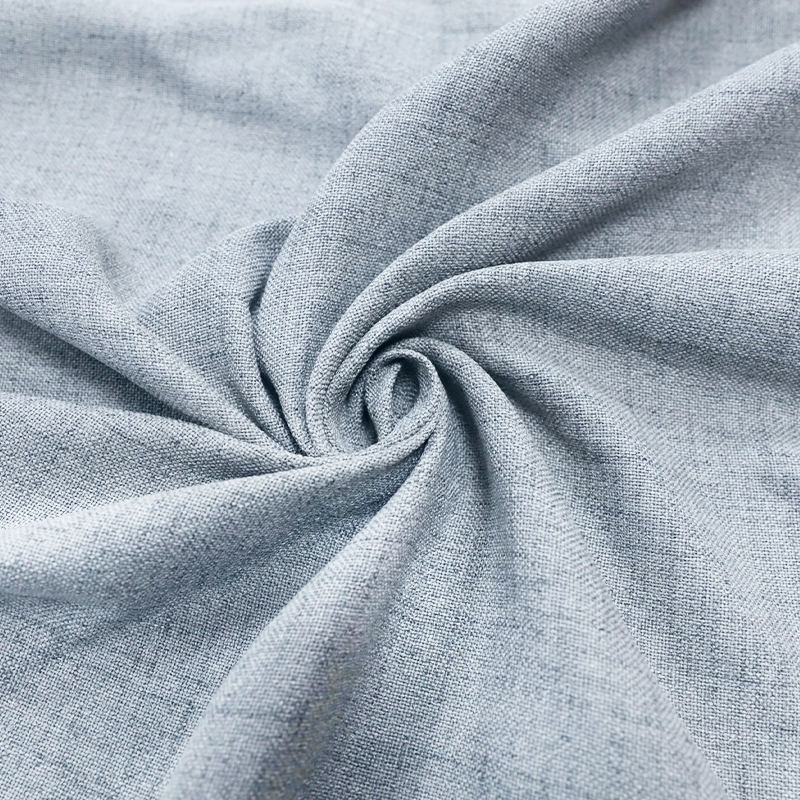
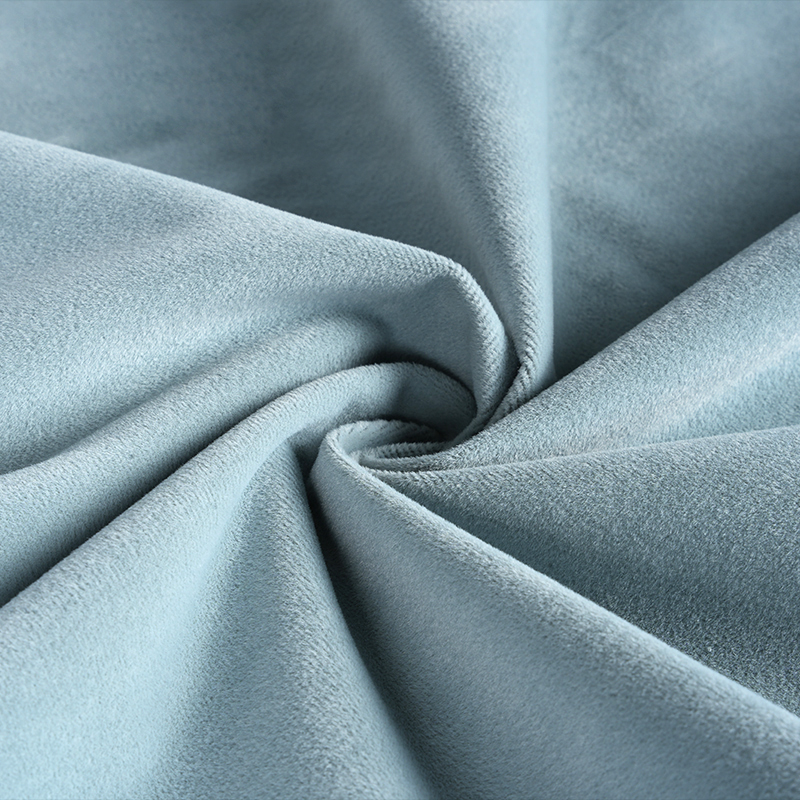
Traditional pure linen fabrics are renowned for their translucency (sheer) and exceptional breathability, often used to create a natural ambiance of dappled light and shadow. However, to equip this natural fiber with top-tier blackout functionality, modern textile engineering employs sophisticated composite technologies. Blackout Curtain Linen is not a single-layer fabric; it seamlessly integrates an aesthetically pleasing linen face with a high-performance blackout lining. This allows it to preserve the raw beauty of linen while achieving superior optical obstruction.
The Role of Three-Pass Coating Technology
To achieve a true 100% blackout effect, the back of the fabric must undergo a precise coating process known in the industry as 3-Pass Blackout technology. This process concerns not just the blackout rate, but also the longevity and safety of the curtains.
- The Layering Process: The first layer is a white acrylic resin that seals the tiny physical gaps between the linen fibers. The second is a critical black light-absorbing coating that acts like a “black hole,” absorbing all visible light and UV rays. The third is a beige or white protective top coat.
- Achieving Total Darkness: Through this triple-layer composition, Blackout Curtain Linen physically blocks the penetration of light waves. When tested with a high-lumen flashlight against the fabric in a dark room, high-quality linen blackout curtains should show zero light leakage on the front side—this is the gold standard for “Total Blackout” rating.
Fabric Density and High-GSM Weave Patterns
In addition to the technical coating on the back, the GSM (Grams per Square Meter) and weave density of the linen fabric itself play a crucial supporting role. Premium Blackout Curtain Linen typically utilizes a heavyweight blend ranging between 280-350 GSM. This substantial weight not only enhances light blocking but also grants the curtains excellent “drapability,” allowing them to hang with the natural, elegant folds usually found in high-end custom drapery. The dense weave also minimizes light refraction through fiber gaps, ensuring absolute stability in the indoor light environment.
Thermal Insulation and Sound Dampening Properties
The reasons for choosing Blackout Curtain Linen extend far beyond light control. The unique hollow structure of linen fibers, combined with multi-layer blackout coatings, provides remarkable versatility in thermal regulation and acoustic performance. This is vital for creating a temperature-stable and quiet refuge for ideal sleep.
Energy Efficiency and Precision Temperature Control
Linen is one of the most thermally conductive natural fibers. When converted into a blackout curtain, it serves as a highly efficient thermal barrier at the window.
- Summer Cooling: During scorching summer months, linen curtains with reflective coatings can reflect over 70% of solar radiation heat. This significantly reduces the load on indoor air conditioning systems, keeping bedrooms cool even during peak sunlight.
- Winter Wealth Retention: During cold seasons, the heavy texture of Blackout Curtain Linen reduces heat loss through the glass and blocks cold air drafts from window seams. This “cool in summer, warm in winter” micro-climate regulation makes it an inevitable choice for those pursuing an Eco-friendly Home and sustainable living.
Acoustic Benefits for Disturbed Sleepers
For users living in bustling urban areas or near main roads, noise pollution is the number one enemy of sleep quality. While no fabric product can achieve total “silence,” the multi-layered structure of Blackout Curtain Linen possesses a high acoustic damping coefficient. It effectively absorbs indoor echoes and significantly softens external traffic noise and voices. Because the fabric itself has significant physical mass, it also dampens vibrations transmitted through the window glass. Experiments show that installing high-quality linen blackout curtains can lead to a noticeable perceived drop in decibel levels, creating a more private and peaceful haven for dreams.
Technical Performance Comparison: Linen vs. Synthetic Alternatives
To help you make a scientific decision with long-term investment value, the following table details the comparison between high-performance Blackout Curtain Linen and common synthetic polyester blackout curtains.
| Performance Metric |
Blackout Curtain Linen (Premium) |
Polyester Blackout (Common) |
| Light Blocking |
99% - 100% (with 3-Pass) |
90% - 100% |
| Aesthetics |
Natural, Luxurious, Matte |
Shiny, Plastic-like appearance |
| Thermal Regulation |
Excellent (Breathable fibers) |
Moderate (Heat trap) |
| Anti-static |
Superior (Natural Anti-static) |
Poor (Attracts dust) |
| Health Factor |
Biodegradable / Hypoallergenic |
Synthetic / Petroleum-based |
| Drapability |
Heavy, Natural Folds |
Lightweight, Stiff |
| Durability |
High Tensile Strength |
Moderate (Susceptible to UV damage) |
FAQ: Frequently Asked Questions
Why is there still light leaking around the edges after installing 100% blackout linen curtains?
This is usually not a fabric quality issue, but a physical phenomenon known as “Light Leakage.” Light enters from the top of the curtain rod, the gaps between the curtain and the wall, and at the bottom. To achieve laboratory-grade darkness, we recommend the curtain width be at least 2.5 times the window frame width and utilizing a “wrap-around” installation or adding a valance box.
Can blackout curtain linen be placed in a washing machine?
Due to the precision blackout coating on the back, we do not recommend frequent machine washing, as strong mechanical friction may cause the coating to crack or peel. For daily maintenance, use the soft brush attachment of a vacuum cleaner to remove surface dust. For localized stains, spot clean with a damp cloth and neutral detergent, or consult professional dry-cleaning services.
How do I distinguish between “Blackout” and “Room Darkening”?
These are two entirely different concepts. Blackout Curtain Linen refers to products with a blackout coating or high-density black-yarn layer capable of blocking over 99% of light. In contrast, “Room Darkening” curtains usually lack a coating and only block 75%-90% of light through weave density. If you are highly sensitive to light or need to sleep during the day, ensure the product is “Blackout” certified.
Does linen shrink as easily as other natural fabrics?
High-quality linen blackout curtains are usually pre-shrunk (Sanforized) during production. However, minor dimensional fluctuations are normal due to the natural characteristics of linen. By blending a small amount of high-quality synthetic fibers with the linen, manufacturers can greatly improve dimensional stability and wrinkle resistance while retaining the natural texture.
References and Technical Standards
- AATCC 148: Test Method for Light Blocking Effect of Textiles and Related Products.
- ASTM D3330: Standard Test Method for Peel Adhesion (Used for coating integrity evaluation).
- ISO 105-B02: Textiles — Tests for colour fastness to artificial light.
- European Linen and Hemp Confederation (CELC): “Sustainability and Thermal Properties of Natural Fibers in Interior Design.”

 English
 Español
 عربى
عربى

 Leave a message
