Blackout curtain linen has become an increasingly popular choice for modern homes due to its ability to block light, enhance privacy, and improve energy efficiency. Combining the natural texture of linen with advanced blackout backing, these curtains offer both aesthetic appeal and functional performance. However, maintaining their effectiveness and appearance requires proper cleaning and care. Unlike regular curtains, blackout curtain linen involves multiple material layers that must be handled carefully to avoid damage. In this article, we will explore the correct methods for cleaning and maintaining blackout curtain linen to ensure long-lasting performance and visual appeal.
1. Understanding the Structure of Blackout Curtain Linen
Multi-Layer Fabric Design
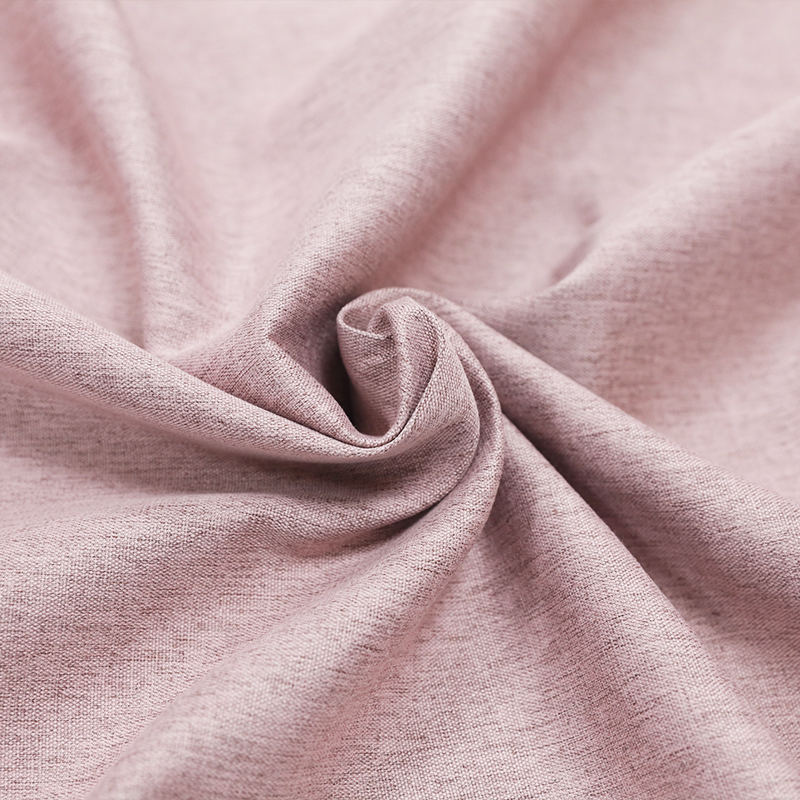
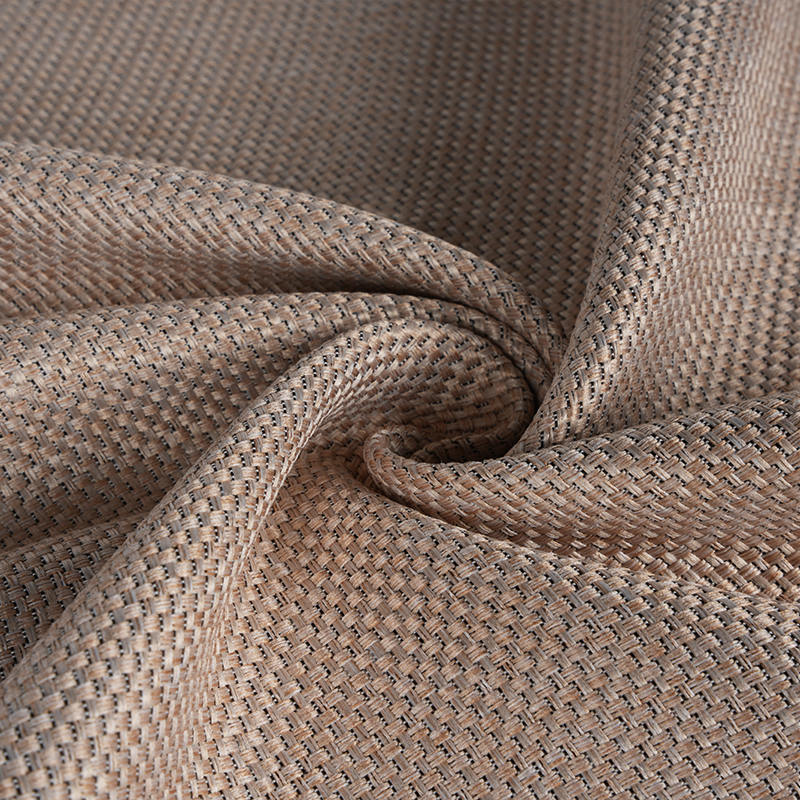
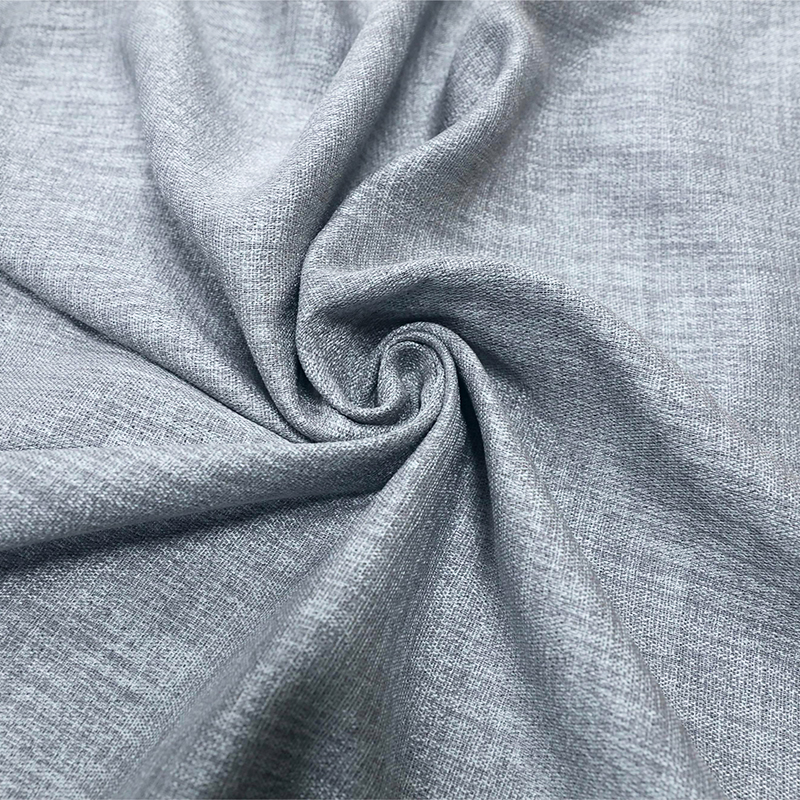
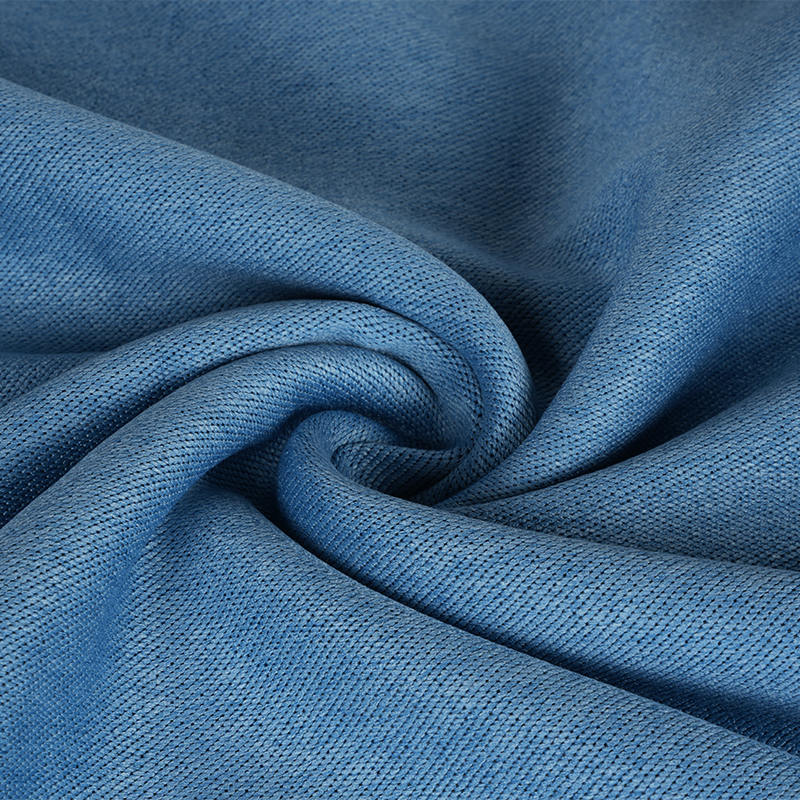
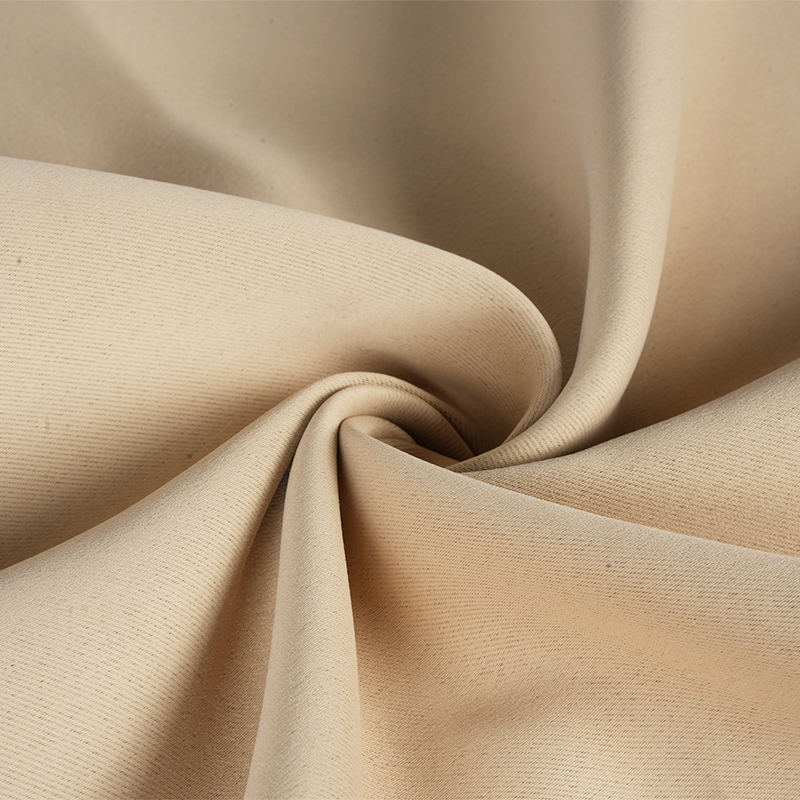
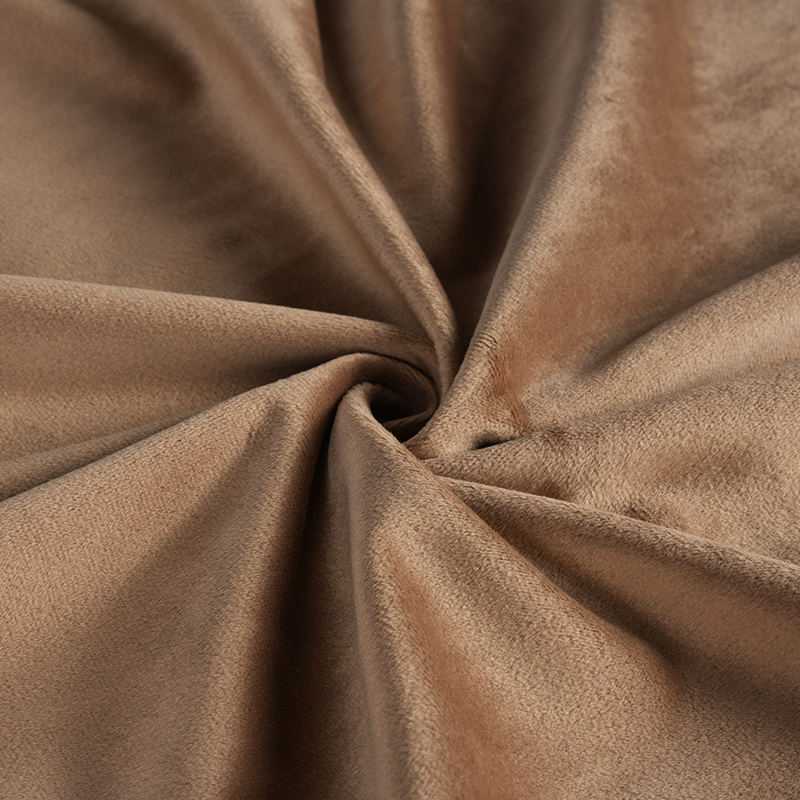
Blackout curtain linen is typically composed of two or more layers. The outer layer is often made from linen or linen-blend fabric, which provides a natural and elegant look. The inner layer consists of a blackout coating or lining, usually made from foam-backed or tightly woven synthetic materials that block light effectively. This multi-layer construction is what gives blackout curtain linen its unique functionality.
Because of this layered structure, improper cleaning methods can damage the blackout coating or cause delamination between layers. For example, excessive heat or harsh chemicals may weaken the bonding between the linen fabric and the blackout lining, reducing the curtain’s effectiveness.
Why Special Care Is Required
Unlike standard curtains, blackout curtain linen cannot always be treated with regular washing routines. The linen fabric itself is delicate and prone to wrinkling, while the blackout backing may be sensitive to moisture and temperature. Understanding these characteristics is essential for choosing the right cleaning approach and avoiding costly damage.
2. Regular Maintenance for Long-Term Performance
Dust Removal and Routine Care
Routine maintenance is the first step in preserving blackout curtain linen. Dust and airborne particles can accumulate on the fabric surface over time, affecting both appearance and air quality. Regular dusting using a soft brush, vacuum cleaner with a fabric attachment, or a microfiber cloth can help keep the curtains clean without the need for frequent washing.
It is recommended to perform light cleaning at least once every one to two weeks, especially in areas with high dust levels. This prevents dirt from embedding into the fibers and reduces the need for deep cleaning.
Preventing Fabric Damage
To maintain the integrity of the curtains, it is important to avoid excessive pulling, folding, or exposure to direct sunlight for prolonged periods. While blackout curtains are designed to block light, constant UV exposure can still affect the outer linen layer over time. Using curtain tiebacks and ensuring smooth operation of curtain rods can also help prevent unnecessary wear and tear.
3. Washing Methods: Hand Wash vs. Machine Wash
Hand Washing Recommendations
Hand washing is generally the safest method for cleaning blackout curtain linen. Use lukewarm water and a mild detergent specifically designed for delicate fabrics. Gently agitate the fabric without scrubbing or twisting, as this can damage both the linen fibers and the blackout backing.
After washing, rinse thoroughly to remove all detergent residues. Avoid wringing the curtains, as this may distort their shape or damage the lining. Instead, gently press out excess water using a clean towel.
Machine Washing Considerations
Some blackout curtain linen products may be labeled as machine washable, but this should always be confirmed by checking the manufacturer’s care instructions. If machine washing is allowed, use a gentle cycle with cold water and place the curtains in a laundry bag to minimize friction.
It is important to avoid high spin speeds and harsh detergents, as these can weaken the fabric and reduce the effectiveness of the blackout layer. When in doubt, hand washing or professional cleaning is the safer option.
4. Drying Techniques to Preserve Quality
Air Drying Best Practices
Air drying is the preferred method for blackout curtain linen. Hang the curtains in a well-ventilated area away from direct sunlight to prevent fading and material degradation. Ensure that the curtains are evenly spread to avoid wrinkles and uneven drying.
Using a sturdy curtain rod or drying rack can help maintain the shape of the curtains during the drying process. Proper air circulation is essential to prevent moisture buildup, which could lead to mold or unpleasant odors.
Avoiding Heat Damage
High temperatures can be harmful to both linen fabric and blackout coatings. Avoid using tumble dryers unless specifically permitted by the manufacturer. Heat can cause shrinkage, warping, or separation of the layers, ultimately reducing the curtain’s performance.
If ironing is necessary, use a low-temperature setting and avoid direct contact with the blackout backing. Placing a cloth between the iron and the fabric can provide additional protection.
5. Stain Removal and Spot Cleaning
Immediate Action for Stains
When stains occur, prompt action is essential to prevent permanent damage. Blot the affected area gently with a clean, damp cloth to absorb the stain. Avoid rubbing, as this can spread the stain and damage the fibers.
For tougher stains, use a mild cleaning solution and test it on an inconspicuous area before applying it to the visible surface. This ensures that the solution does not cause discoloration or damage.
Safe Cleaning Agents
Use only gentle, non-bleaching detergents when treating stains. Harsh chemicals such as bleach or strong solvents can damage both the linen fabric and the blackout coating. Natural cleaning solutions, such as diluted vinegar, can be used cautiously for certain stains.
Cleaning Methods Comparison Table
| Cleaning Method |
Suitable For |
Advantages |
Precautions |
| Dry Dusting |
Routine maintenance |
Quick and safe |
Avoid rough brushes |
| Hand Washing |
Deep cleaning |
Gentle on fabric |
No wringing or twisting |
| Machine Washing |
Select products only |
Convenient |
Use gentle cycle and cold water |
| Spot Cleaning |
Stain removal |
Targeted cleaning |
Test cleaning solution first |
6. Long-Term Storage and Care Tips
Proper Storage Methods
If blackout curtain linen is not in use for extended periods, proper storage is essential. Clean and dry the curtains thoroughly before storing them in a cool, dry place. Use breathable storage bags to prevent moisture buildup and protect against dust.
Avoid folding the curtains too tightly, as this can create permanent creases. Rolling the curtains instead of folding can help maintain their shape and appearance.
Periodic Inspection
Regular inspection helps identify potential issues such as loose stitching, fabric wear, or damage to the blackout layer. Addressing these problems early can prevent further deterioration and extend the lifespan of the curtains.
By following these maintenance practices, users can ensure that their blackout curtain linen remains functional and visually appealing for years to come.
FAQ
1. Can blackout curtain linen be machine washed?
Some products can be machine washed on a gentle cycle, but it is important to check the care label first. Hand washing is generally safer.
2. How often should blackout curtains be cleaned?
Light cleaning should be done every 1–2 weeks, while deep cleaning can be performed every few months depending on usage.
3. Can I use bleach on blackout curtain linen?
No, bleach can damage both the linen fabric and the blackout coating.
4. What is the best way to dry blackout curtains?
Air drying in a shaded, well-ventilated area is recommended to preserve fabric quality.
5. How do I remove wrinkles from blackout curtain linen?
Use a low-temperature iron with a protective cloth, or allow the curtains to hang naturally to reduce wrinkles.
References
- Textile Care and Maintenance Guidelines
- Home Furnishing Fabric Cleaning Standards
- International Fabric Care Labeling System
- Household Textile Maintenance Manuals

 English
 Español
 عربى
عربى

 Leave a message
