Gauze curtains are lightweight, loosely woven sheer curtains made from an open, semi-transparent fabric that filters sunlight, softens harsh outdoor glare, and adds airy texture to a room while still allowing a view and airflow through the window. Unlike blackout curtains, gauze curtains are designed to diffuse light rather than block it — typically letting through 60% to 85% of natural light depending on weave density — making them a popular choice for living rooms, layered window treatments, and spaces where privacy needs are moderate rather than absolute.
What Gauze Fabric Is and How It Differs From Other Sheers
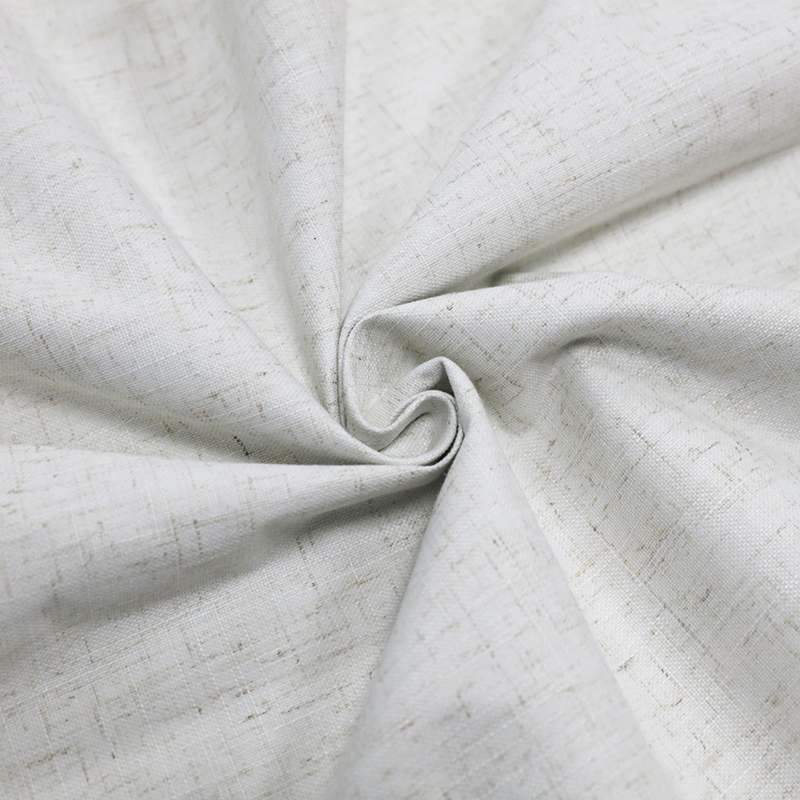
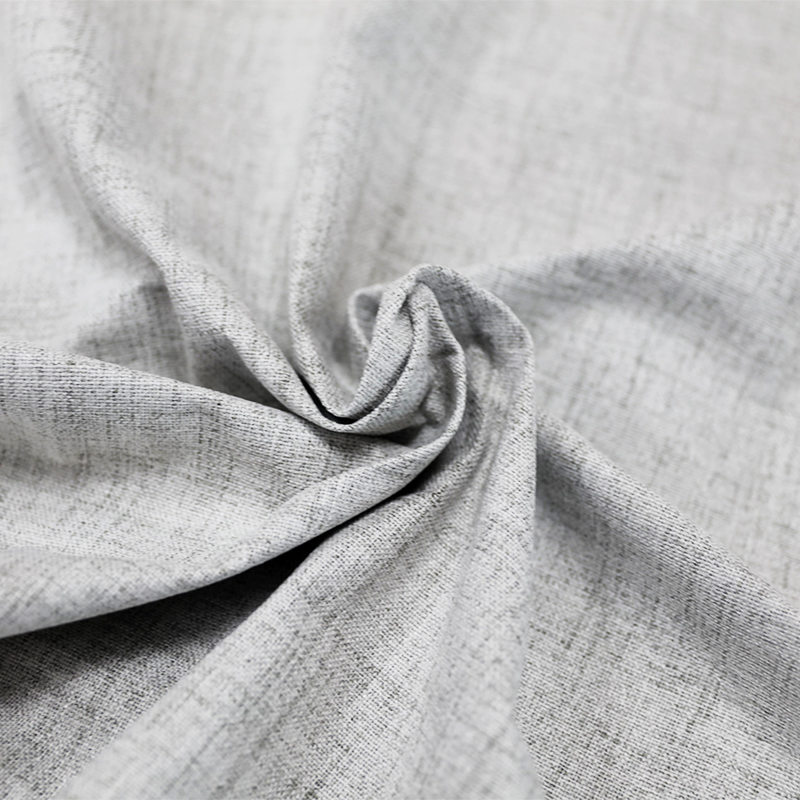
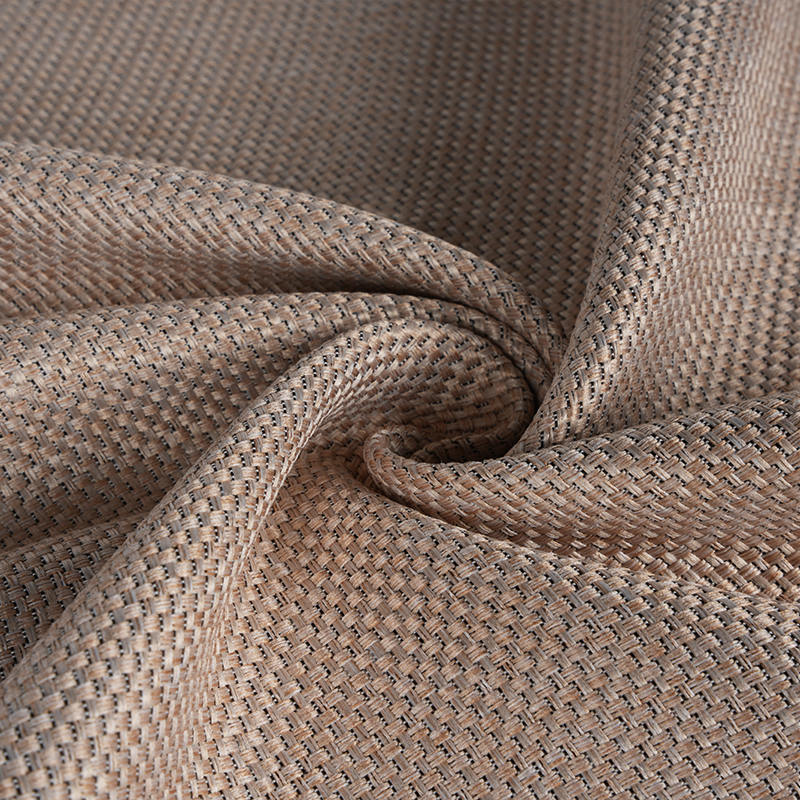
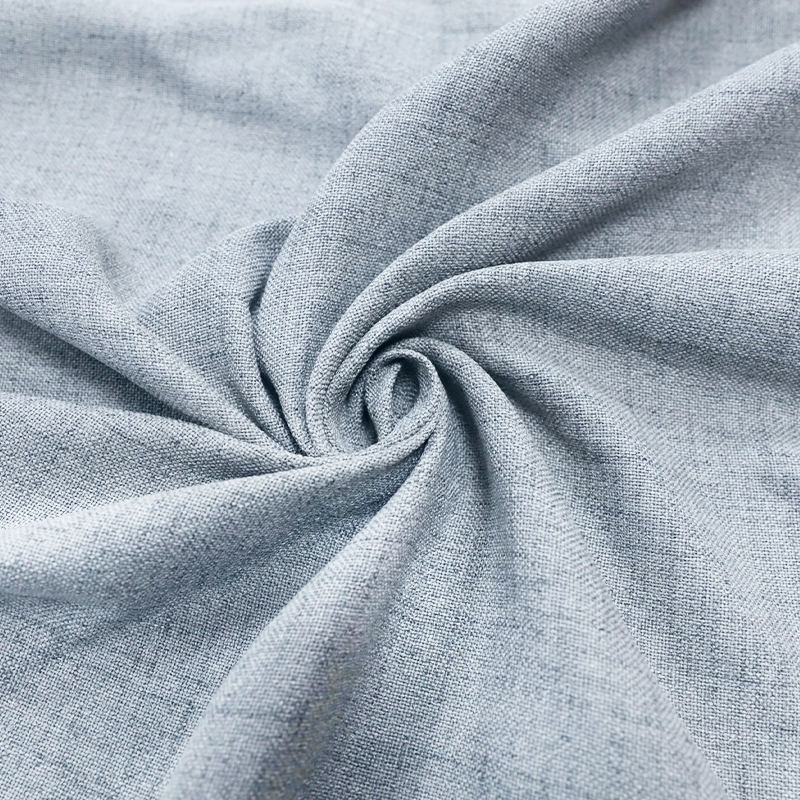
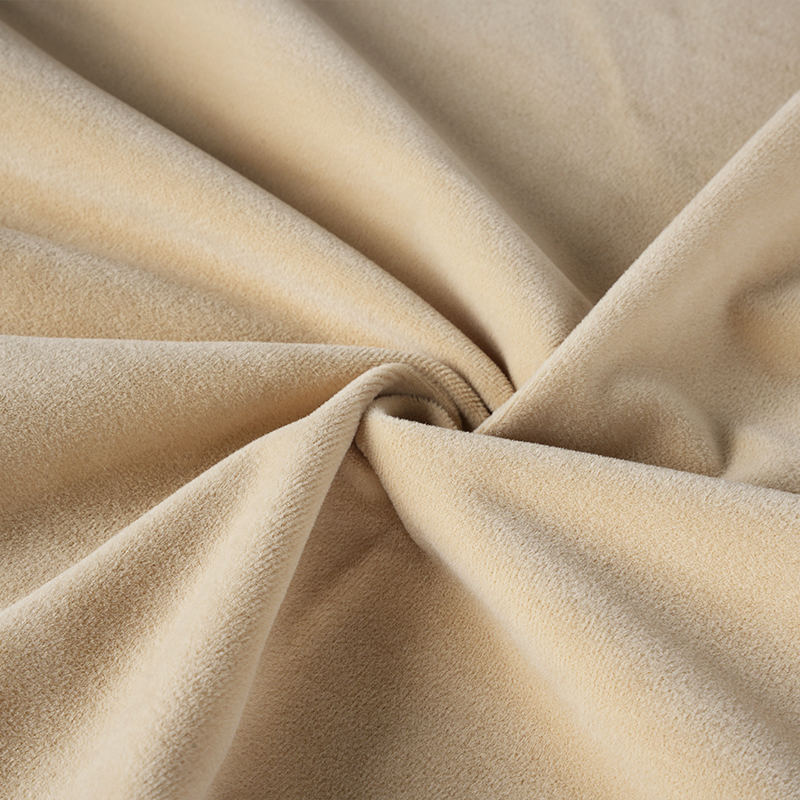
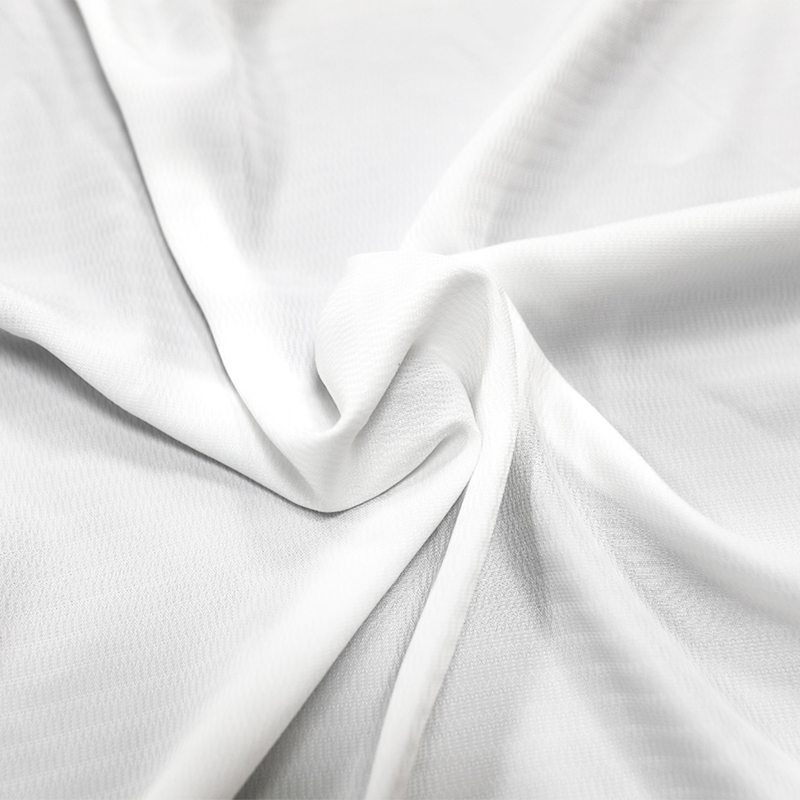
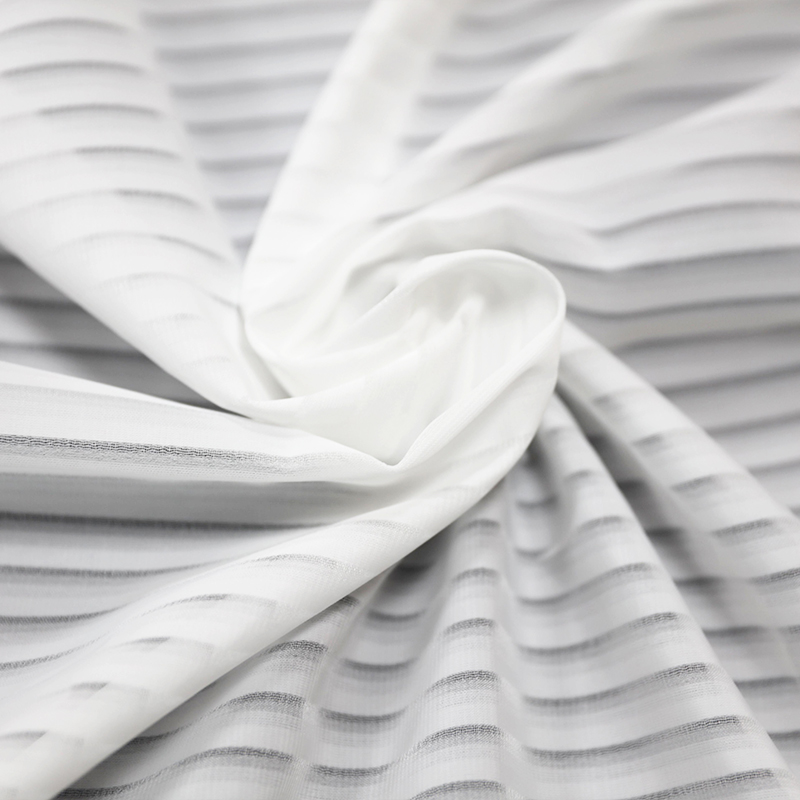
Gauze is a plain-weave fabric characterized by an open, loosely spaced thread structure that gives it a slightly textured, crinkled appearance compared to smoother sheer fabrics like voile or chiffon. This looser weave is what gives gauze its distinct soft, billowy drape and relaxed, casual look — often associated with coastal, bohemian, or minimalist interior styles.
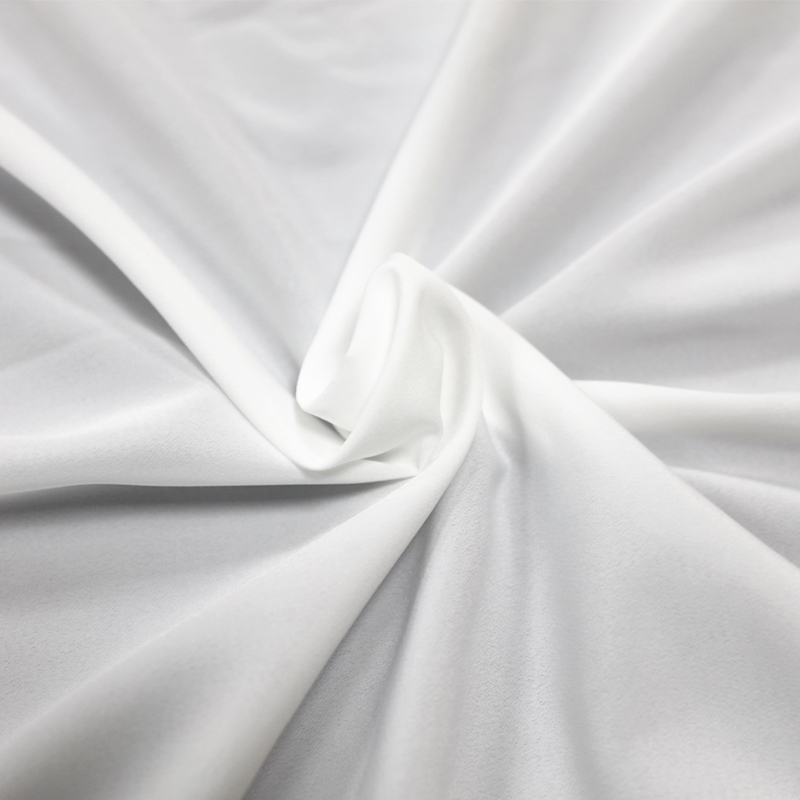
Compared to voile, which uses a tighter weave and finer yarn for a smoother, more formal sheer look, gauze has a more relaxed, slightly nubby texture and typically drapes with more volume. Compared to chiffon or georgette sheers, gauze is generally more affordable and more durable for everyday use, though it doesn't have the same fine, silky sheen.
Common Materials Used in Gauze Curtains
Gauze curtains are made from a range of fiber types, each affecting drape, durability, and price differently.
Common gauze curtain materials and their characteristics
| Material |
Feel & Drape |
Best For |
| 100% cotton gauze |
Soft, breathable, natural crinkle texture |
Bohemian, coastal, and natural-fiber interiors |
| Linen gauze |
Slightly heavier, textured, structured drape |
Minimalist and organic modern spaces |
| Polyester gauze |
Smoother, more affordable, wrinkle-resistant |
High-traffic rooms, budget-conscious buyers |
| Cotton-linen blend gauze |
Balances softness of cotton with texture of linen |
Versatile use across most interior styles |
100% cotton gauze remains the most popular choice for residential use because it combines breathability with a soft hand-feel, though it is more prone to wrinkling than polyester and generally benefits from steaming rather than ironing to preserve its natural texture.
Where Gauze Curtains Work Best
Because gauze curtains prioritize light diffusion over privacy or insulation, they suit specific rooms and use cases better than others.
- Living rooms: Softens harsh afternoon light while keeping the space bright and open
- Dining areas: Adds texture and softness without blocking natural light during meals
- Layered bedroom setups: Paired behind blackout curtains, gauze provides a soft daytime look while the blackout layer handles nighttime darkness
- Sunrooms and covered patios: Diffuses direct sun and reduces glare without fully closing off the outdoor view
- Room dividers: The soft drape and semi-transparency make gauze panels a popular choice for visually separating open-plan spaces
Gauze curtains are generally not recommended as a standalone solution for bedrooms facing early morning sun or streetlights, or for street-level windows where full nighttime privacy is a priority — in these cases, pairing gauze with a blackout or room-darkening layer behind it is the more practical setup.
Weave Density and Light Diffusion Levels
Not all gauze fabric filters light the same way — weave density directly affects how much light passes through and how much privacy the curtain provides during the day.
Weave Density Comparison
- Loose weave (open gauze): Maximum light and airflow, minimal daytime privacy, best for interior-facing or upper-floor windows
- Medium weave: Balanced light diffusion with moderate daytime privacy, suitable for most street-facing windows
- Dense weave (heavier gauze): Reduced light transmission with better daytime privacy, closer in function to a lightweight voile
Fabric weight for gauze curtains typically ranges from 60 to 150 GSM, with lighter weights offering more billow and transparency, and heavier weights providing a more substantial drape with somewhat reduced light pass-through.
Styling and Layering Ideas
Gauze curtains are highly versatile in how they're styled, whether used alone or layered with other window treatments.
- Double-layer setup: Mount gauze on an inner rod and blackout or drapery fabric on an outer rod for flexible day-to-night control
- Floor-length hang: Allowing gauze panels to pool slightly at the floor enhances the soft, relaxed look characteristic of the fabric
- Tie-back styling: Gathering gauze panels to the side during the day maximizes light while keeping the airy texture visible as a frame around the window
- Ceiling-mounted panels: Used as a room divider or canopy accent, taking advantage of gauze's soft movement in airflow
How to Choose the Right Gauze Fabric
Selecting the right gauze curtain comes down to matching fiber content, weave density, and weight to your room's light exposure, climate, and privacy needs.
Selection Checklist
- Determine your primary goal — maximum airflow and light (loose weave) versus more daytime privacy (medium to dense weave)
- Choose fiber based on climate: cotton or linen gauze breathes better in warm, humid environments, while polyester resists wrinkling and holds up better in high-traffic or frequently washed settings
- Check GSM weight — lighter fabric (60–90 GSM) suits a soft, billowy look, while heavier fabric (100–150 GSM) offers more structured drape
- Decide whether gauze will be used alone or layered with a blackout or room-darkening curtain for nighttime privacy
- Confirm care requirements — cotton and linen gauze generally require gentle washing and steaming, while polyester blends are typically machine washable and low-maintenance
For example, a coastal-style living room with south-facing windows would likely benefit from a lightweight 100% cotton gauze around 70 GSM for maximum airflow and soft diffused light, while a street-facing bedroom might do better with a medium-weight cotton-linen blend around 120 GSM paired with a blackout layer behind it for full nighttime control.

 English
 Español
 عربى
عربى

 Leave a message
