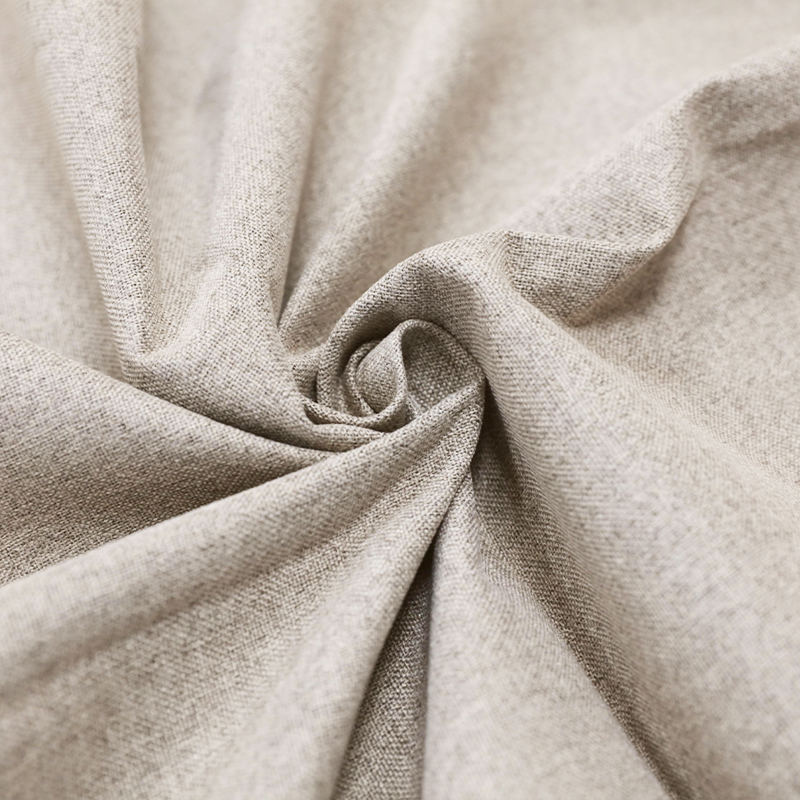
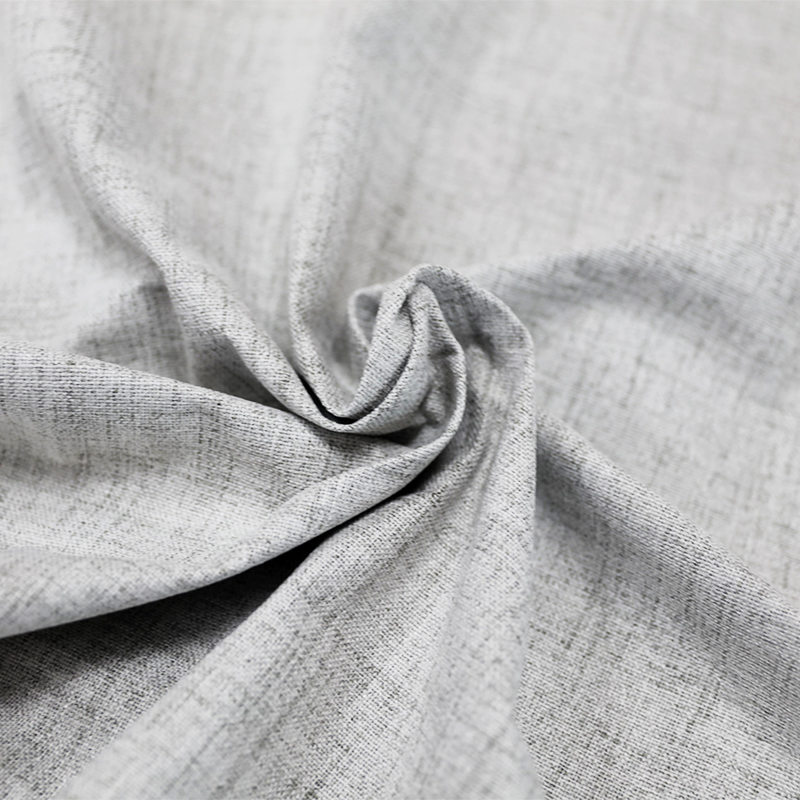
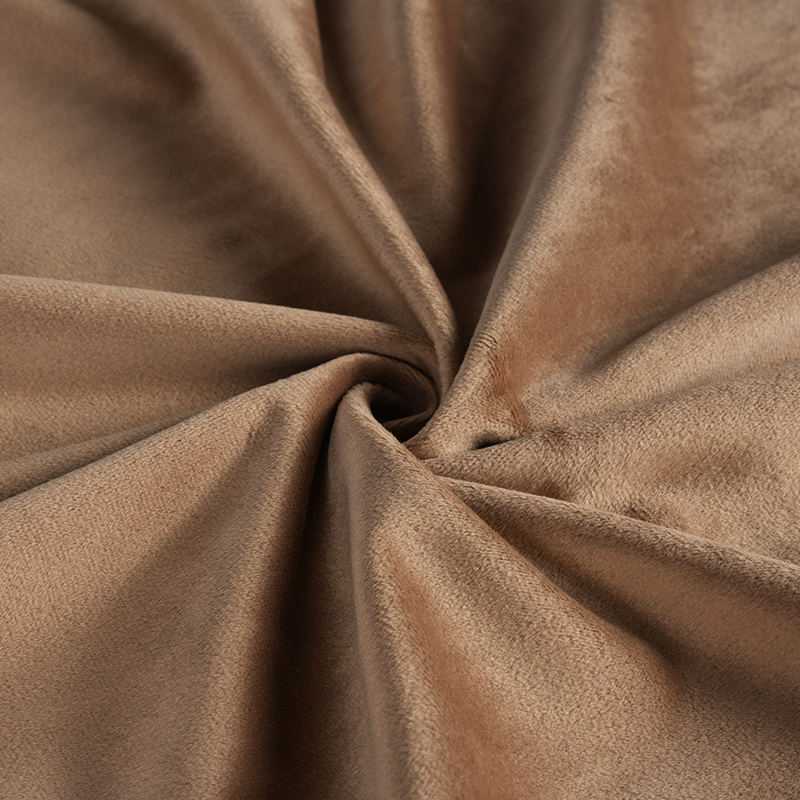
Blackout curtain linen refers to fabric that combines the natural, textured look of linen with an engineered light-blocking construction — typically a tightly woven polyester or polyester-linen blend fused with a third opaque layer, since pure natural linen on its own cannot block 100% of light no matter how densely it's woven. This "linen-look" blackout fabric has become popular because it delivers the soft, organic aesthetic homeowners want in bedrooms and living spaces without sacrificing the near-total darkness that true blackout performance requires.
Why Pure Linen Cannot Achieve True Blackout Performance
Natural linen is woven from flax fibers, and even a heavy, tightly woven linen fabric still has microscopic gaps between the yarns that allow light to pass through. Lab testing of 100% natural linen curtain fabric typically shows light transmission rates of 15% to 30%, which qualifies it as "room-darkening" at best, not true blackout.
This is why virtually all fabric marketed as "blackout linen" is not pure linen at all — it's a linen-textured or linen-blend face fabric bonded to an opaque backing layer. The visible, touchable surface gives the room the warm, natural look associated with linen, while the hidden layer does the actual work of blocking light.
How Linen-Look Blackout Fabric Is Constructed
Manufacturers use a few different approaches to combine linen's texture with genuine blackout function, each with different performance and durability trade-offs.
Common construction methods for linen-look blackout curtain fabric
| Construction Type |
How It's Built |
Performance Notes |
| Triple-weave linen-textured polyester |
Face yarn woven with a slubbed, linen-like texture; three fused layers including a black center yarn |
Best combination of look, durability, and true blackout performance |
| Linen-cotton-polyester blend face + foam backing |
Natural-fiber blend face fabric laminated with a foam layer |
Softer natural feel, but foam layer may crack or peel over years of use |
| Linen face + separate blackout liner |
Genuine linen or linen-blend drapery sewn together with a detachable blackout lining |
Most authentic linen feel; liner can be removed for washing or replaced separately |
The triple-weave linen-textured polyester approach has become the industry standard for most retail blackout curtains because it avoids the coating degradation issues associated with foam-backed fabric while still achieving light transmission rates below 1% in independent testing.
Linen-Look Blackout vs. Standard Polyester Blackout
Both fabric types can achieve genuine blackout performance, so the choice mostly comes down to appearance, feel, and price rather than light-blocking ability.
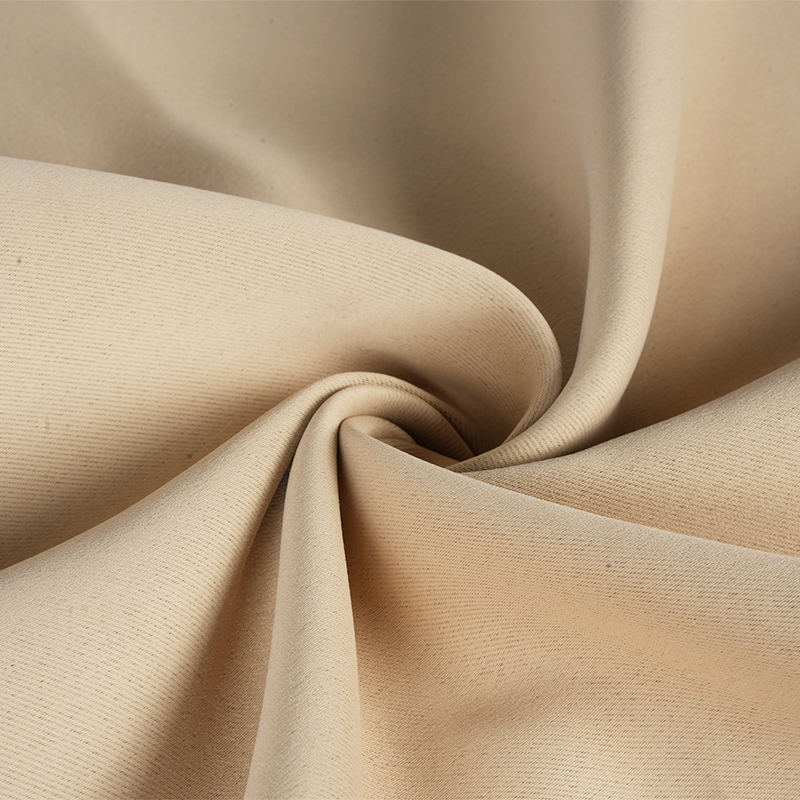
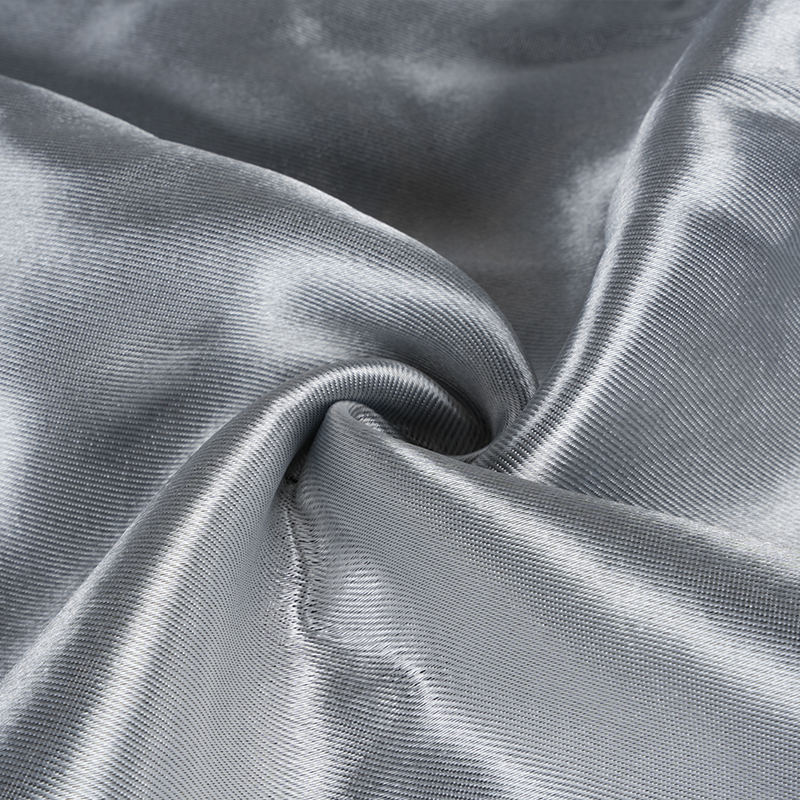
- Texture: Linen-look fabric has a visible slub and matte, organic surface; standard polyester blackout is typically smoother and can look slightly more synthetic or shiny depending on the weave
- Drape: Linen-textured blends tend to fall slightly stiffer and more structured, similar to real linen, while smooth polyester blackout drapes softer
- Price: Linen-look blackout fabric generally costs 15% to 30% more than standard smooth polyester blackout due to the more complex weaving process
- Light-blocking performance: Nearly identical when both are genuine triple-weave construction — the texture is cosmetic and doesn't affect opacity
How Full Light Block Is Measured and Verified
Because "blackout linen" is a loosely used marketing term, it's worth understanding how manufacturers actually verify light-blocking performance before assuming a product delivers full blackout function.
Testing Metrics to Ask About
- Light transmission rate: Genuine blackout fabric should test below 1%; anything above 3% to 5% functions more like room-darkening fabric
- Fabric weight (GSM): Quality linen-look blackout fabric typically falls in the 290 to 350 GSM range, slightly heavier than standard blackout due to the added textured yarns
- Layer count: Confirm the fabric uses a genuine three-layer weave rather than a single decorative layer paired with a thin coating
- UV blocking rate: High-quality versions block 99% or more of UV rays, helping protect furniture from fading
When comparing suppliers, ask for the specific light transmission percentage rather than accepting "blackout" or "100% blackout" as a label alone, since there's no universal regulatory standard enforcing what that term must mean on a product listing.
Additional Benefits of Linen-Look Blackout Fabric
Beyond blocking light, the dense multi-layer construction used in linen-look blackout fabric provides several secondary benefits common to most true blackout materials.
- Thermal insulation: Can reduce heat transfer through windows, helping stabilize room temperature and potentially lower energy costs
- Noise reduction: The layered structure can reduce ambient noise by roughly 4 to 10 decibels compared to a single-layer sheer or light curtain
- Privacy: Fully opaque even with interior lights on, unlike sheer linen which allows silhouettes to show through at night
- Fade resistance: The opaque backing layer protects the visible face fabric from UV degradation, helping the linen-look surface retain its color longer than unlined linen curtains
Buying Guide: What to Check Before You Purchase
A few practical checks will help you avoid a product that looks like linen but doesn't perform like genuine blackout fabric.
Pre-Purchase Checklist
- Ask for the documented light transmission percentage rather than relying on the word "blackout" in the listing
- Check whether the fabric is a genuine triple-weave construction or a face fabric with a separate foam or film backing
- Confirm the fiber content — most linen-look blackout fabric is 100% polyester or a polyester-linen blend, not pure linen
- Review care instructions, since some linen-textured blackout fabrics require dry cleaning to preserve the weave and opaque layer
- Look for OEKO-TEX Standard 100 certification if the curtains will be used in a bedroom or child's room
For example, a buyer wanting the linen aesthetic in a primary bedroom would generally do best with a triple-weave linen-textured polyester at 300+ GSM, which delivers both the visual warmth of linen and light transmission performance under 1% — a combination that a lighter-weight foam-backed alternative often cannot match over several years of daily use.

 English
 Español
 عربى
عربى

 Leave a message
