The short answer: 100% blackout curtain fabric works by combining a tightly woven face fabric with one or more opaque coated or foam layers that physically block light from passing through, rather than just filtering or dimming it. When choosing one, prioritize a triple-weave or foam-backed construction with a light-blocking rate of 99–100%, since single-layer "blackout-style" fabrics rarely achieve true full blackout on their own.
How 100% Blackout Fabric Actually Blocks Light
True blackout fabric isn't just a thick or dark-colored textile — it relies on a layered construction. Most genuine blackout fabrics use three layers: a decorative face fabric, a middle black or foam layer that absorbs and blocks light, and a backing layer that adds structure and helps the curtain hang properly. This three-layer approach is why they're often labeled "triple-weave" blackout fabric.
The middle layer is doing the real work. It's typically made from a tightly compressed foam or a resin/acrylic coating that has virtually no gaps for light to pass through, unlike a single layer of dense cotton or polyester, which — no matter how thick — will still let some light filter through the natural spaces between woven threads.
Light-Blocking Ratings: What the Percentages Actually Mean
Fabric labeled "blackout" is not standardized across brands, so it's worth understanding what the light-blocking percentage actually represents before buying.
Common curtain fabric categories and their typical light-blocking performance
| Fabric Category |
Light Blocked |
Typical Construction |
| Light-Filtering |
30–60% |
Single-layer sheer or standard weave |
| Room-Darkening |
80–95% |
Dense double-weave, no coated layer |
| 100% Blackout |
99–100% |
Triple-weave or foam/acrylic-coated layer |
A useful way to verify a claim in person: hold the fabric up to a bright light source. True 100% blackout fabric will show no visible glow or pinpoints of light, while room-darkening fabric will still show a faint silhouette of the light behind it.
Common Materials Used in Blackout Fabric
Polyester Blackout Fabric
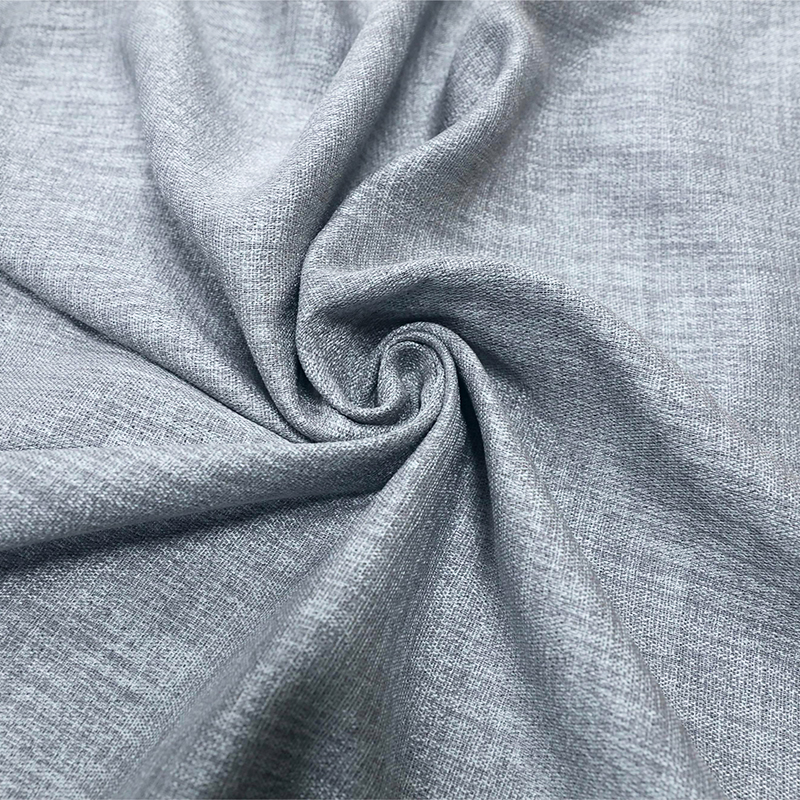
Polyester is the most common base fabric for blackout curtains because it holds a tight weave well and takes coatings evenly. It's also naturally more resistant to fading and wrinkling than natural fibers, which matters since blackout curtains are often exposed to direct sun for long periods.
Cotton-Blend Blackout Fabric
Cotton blends offer a softer drape and more natural texture, which appeals to buyers wanting a less synthetic feel. The tradeoff is that cotton fibers are more porous, so cotton-based blackout fabric almost always needs the additional foam or acrylic backing layer to reach true 100% blackout performance.
Foam-Backed Fabric
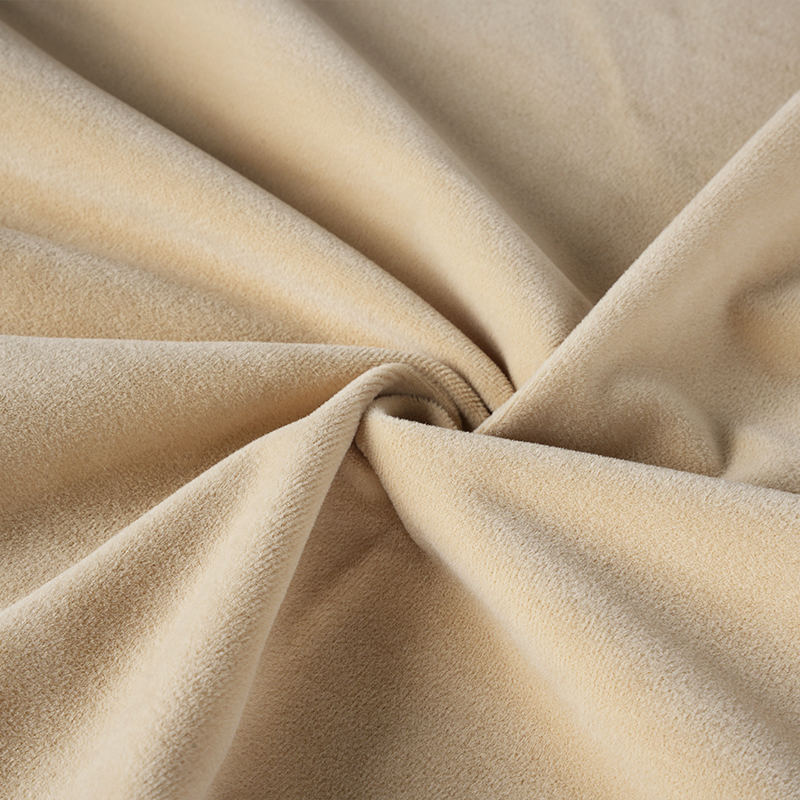
Foam-backed blackout curtains use a layer of polyurethane foam laminated to the back of the decorative fabric. This construction offers the added benefit of thermal insulation, which can reduce heat transfer through windows — useful for both winter heat retention and summer cooling.
Beyond Light Blocking: Other Benefits Worth Considering
- Noise reduction: the dense layered structure can absorb some ambient sound, making rooms noticeably quieter
- Energy efficiency: quality blackout curtains can reduce heat gain through windows by a significant margin during peak sun hours, lowering cooling costs in summer
- UV protection: the opaque layer blocks most UV rays, helping protect furniture, flooring, and artwork from sun fading
- Privacy: unlike sheer or light-filtering fabric, true blackout material prevents silhouettes from being visible from outside at night
How to Choose the Best Fabric for Your Room
For Bedrooms and Nurseries
Prioritize the highest blocking rate available — look for fabrics explicitly tested and labeled at 99% or higher. For infant nurseries especially, consistent darkness supports better daytime napping, so a triple-weave construction is usually worth the extra cost over a basic double-weave option.
For Home Theaters
Home theater rooms benefit most from foam-backed or acrylic-coated blackout fabric, since even small amounts of ambient light noticeably reduce contrast on a projected image. Pairing the curtain with a snug-fitting track or rod pocket that minimizes light leakage around the edges is just as important as the fabric itself.
For Hot or Sunny Climates
Choose a foam-backed or thermally insulated blackout fabric to maximize the energy-saving benefit, and look for lighter exterior colors, since dark fabric absorbs more heat on the outward-facing side of the curtain.
Fabric Weight and Drape: Balancing Function and Look
Blackout fabric typically runs heavier than standard curtain material, often in the range of 250–350 GSM (grams per square meter) for the combined layered construction, compared to 100–150 GSM for lightweight sheers. This added weight helps the curtain hang with a fuller, more structured drape, but it also means you'll need a sturdier curtain rod and adequate wall or ceiling support, especially for wide windows or floor-to-ceiling installations.
Common Mistakes When Buying Blackout Curtains
- Assuming "blackout-style" or "room-darkening" labeling means true 100% blackout performance
- Buying curtains that are too narrow, leaving light gaps along the sides of the window
- Overlooking care instructions — some foam-backed fabrics cannot be machine washed without damaging the backing layer
- Choosing fabric based on color alone, since dark colors do not guarantee better light blocking than lighter shades with the same layered construction
Final Checklist Before You Buy
Before purchasing 100% blackout curtain fabric, confirm three things: a verified light-blocking rating of 99% or higher, a construction that includes a foam or coated middle layer, and a width/length that fully covers the window frame with overlap on all sides. Getting these three details right is what separates curtains that truly deliver total darkness from ones that only look the part.

 English
 Español
 عربى
عربى

 Leave a message
