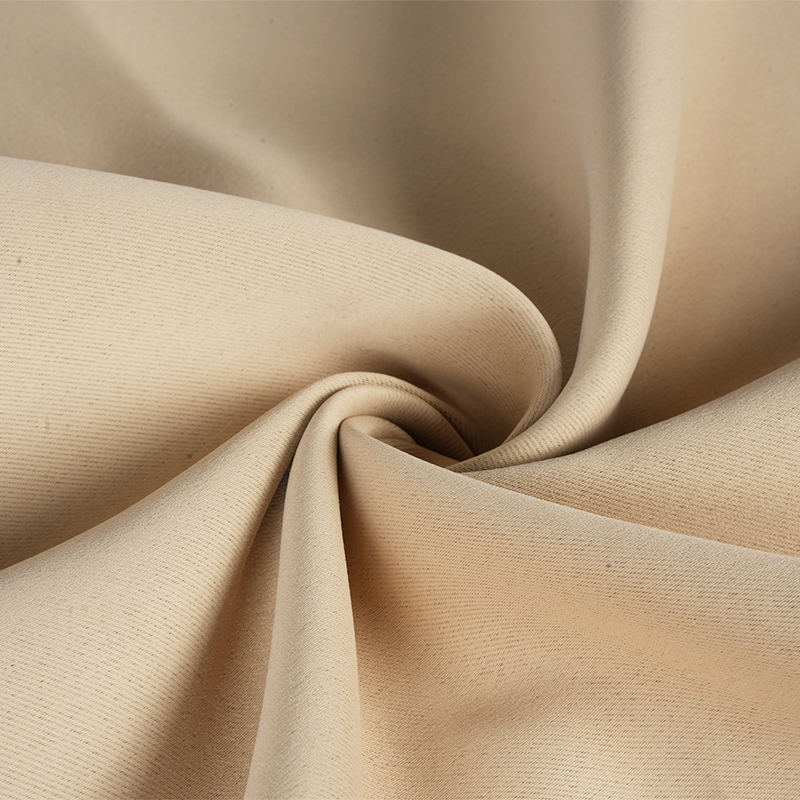
Genuine 100% blackout curtain fabric is a tightly constructed textile — typically a triple-weave polyester or a foam-backed/foam-coated fabric — engineered to block 99% to 100% of incoming light, rather than simply darkening a room the way standard "room-darkening" fabric does. For bedrooms and nurseries, this distinction matters because true blackout fabric also improves sleep quality by eliminating streetlight and early-morning sun, while offering secondary benefits like thermal insulation and modest sound dampening.
What "100% Blackout" Actually Means
The term "blackout" is not always regulated consistently across manufacturers, which is why light-blocking performance varies widely even among products marketed the same way. Genuine 100% blackout fabric blocks effectively all visible light when properly installed, whereas "room-darkening" fabric typically blocks only 75% to 90% of light, still allowing a visible glow around the edges or through the weave itself.
It's important to note that no curtain fabric blocks 100% of light on its own once installed, because light leakage around the edges, top, and bottom of the panel is a function of curtain design and mounting — not fabric alone. A fabric can be rated 100% blackout in laboratory testing (light directed straight through the material) while a finished curtain still allows some gap light unless paired with side channels, an overlapping center, or a valance.
How Blackout Fabric Blocks Light: Construction Methods
There are three primary construction methods used to achieve blackout performance, each with different feel, durability, and price points.
Common blackout fabric construction methods and their characteristics
| Construction Type |
How It Works |
Typical Feel & Durability |
| Triple-weave (woven blackout) |
Three tightly woven layers fused together, including a black or gray center yarn |
Soft, drapes well, most durable, resists cracking |
| Foam-backed (coated) |
A foam layer laminated to the back of a base fabric |
Stiffer hand-feel, budget-friendly, foam can crack or peel over time |
| Multi-layer laminated |
Base fabric bonded with an opaque film layer between decorative face and backing |
Mid-weight, good light block, moderate durability |
Triple-weave blackout fabric is generally considered the best long-term option for nurseries and bedrooms because it doesn't rely on a separate coating layer that can degrade, crack, or emit odor over time — a meaningful consideration for parents concerned about off-gassing near a sleeping infant.
Material Composition and Common Fabric Bases
The base fabric used in blackout construction significantly affects both the finished feel of the curtain and how well it performs long-term.
- 100% polyester: The most common base for blackout fabric, valued for wrinkle resistance, colorfastness, and low cost
- Cotton-polyester blends: Offer a softer, more natural drape while retaining most of polyester's durability
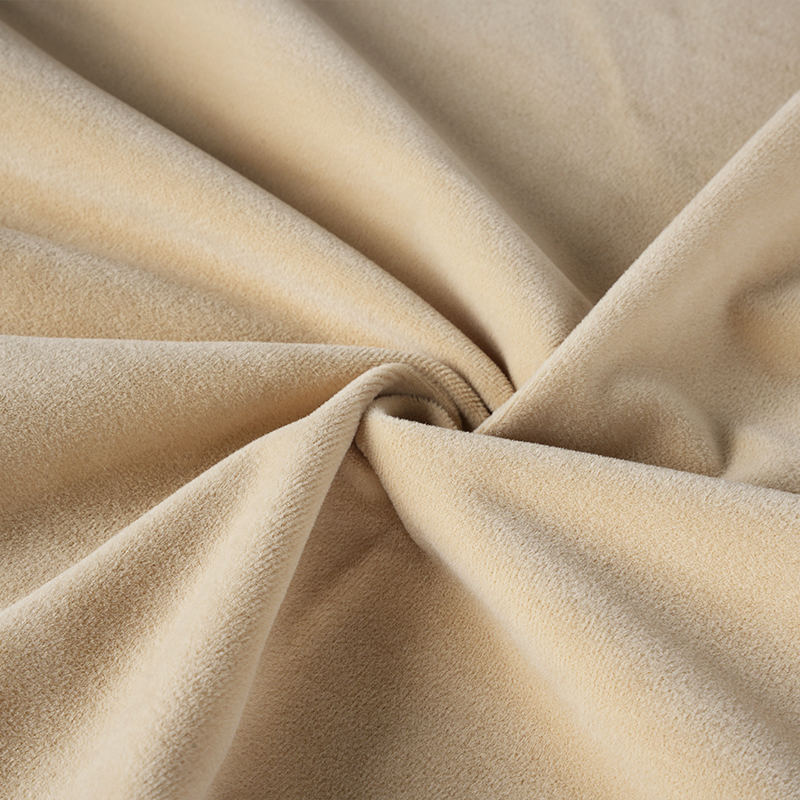
- Velvet blackout: Heavier weight fabric that adds extra thermal insulation and a more formal appearance
- Linen-look blackout: A woven polyester finished to resemble linen texture, popular for a more natural nursery aesthetic without sacrificing light-blocking performance
Fabric weight is typically measured in grams per square meter (GSM), and most genuine blackout fabrics fall in the range of 280 to 340 GSM. Fabric below roughly 250 GSM should be checked carefully, since lighter-weight material is less likely to achieve true 100% opacity regardless of how it's marketed.
How Light-Blocking Performance Is Tested
Reputable manufacturers test blackout fabric using standardized light transmission methods, most commonly measured with a spectrophotometer or lux meter under controlled lighting conditions.
Key Testing Metrics
- Light transmission rate: The percentage of light that passes through the fabric itself; genuine blackout fabric measures below 1%
- UV blocking rate: High-quality blackout fabric typically blocks 99% or more of UV rays, helping protect furniture and flooring from fading
- Colorfastness rating: Measured on a grayscale from 1 to 5, indicating resistance to fading from light exposure and washing
- Flame retardancy: Many markets require compliance with standards such as NFPA 701 (U.S.) or BS 5867 (UK) for curtain fabric sold for residential or commercial use
When purchasing fabric, ask the supplier for the specific light transmission test result rather than relying on the word "blackout" alone — a fabric tested at 0.5% light transmission performs meaningfully better than one at 3% to 5%, even though both might be marketed as "blackout" grade.
Additional Benefits Beyond Light Blocking
The same dense, multi-layer construction that blocks light also delivers secondary performance benefits that are particularly valuable in bedrooms and nurseries.
- Thermal insulation: Quality blackout fabric can reduce heat transfer through windows, helping maintain a more stable room temperature and potentially lowering energy costs by 15% to 25% according to several manufacturer studies
- Noise reduction: The dense multi-layer structure can reduce ambient noise by roughly 4 to 10 decibels, useful for nurseries near street-facing rooms
- Privacy: Unlike sheer or lightweight curtains, blackout fabric prevents silhouettes from being visible from outside at night
- UV protection: Helps prevent fading of cribs, furniture, and flooring from prolonged sun exposure
Safety Considerations for Nursery Use
Nurseries require extra attention to safety standards that go beyond light-blocking performance alone.
What to Check Before Buying for a Nursery
- Confirm the product uses cordless operation or includes cord safety devices compliant with window covering safety standards, since corded curtains and blinds pose a strangulation risk to young children
- Look for OEKO-TEX Standard 100 certification, which confirms the fabric has been tested for harmful substances and is safe for use in a child's room
- Verify flame retardant treatment complies with applicable regional standards for children's room textiles
- Choose foam-backed fabric only from reputable suppliers, since lower-quality foam coatings can off-gas volatile organic compounds (VOCs), particularly when new
- Check washing instructions — many blackout fabrics require gentle or dry-clean-only care to preserve the light-blocking layer
Installation Tips to Maximize Light Blockage
Even the highest-rated blackout fabric will underperform if the curtain isn't installed correctly, since light leakage most commonly occurs around the edges of the panel rather than through the fabric itself.
- Mount the curtain rod 4 to 6 inches wider than the window frame on each side to reduce side-gap light leakage
- Choose panels wide enough to overlap by at least a few inches at the center when closed
- Consider adding a side track or wrap-around bracket system, which channels the fabric close to the wall and virtually eliminates edge light leakage
- Install a valance or cornice at the top to block light from above the rod
- Ensure curtain length reaches the floor or windowsill with adequate overlap to prevent bottom-gap leakage
Buying Guide: What to Compare Before You Purchase
Whether sourcing fabric by the yard for custom curtains or buying finished panels, comparing a few key specifications helps avoid products that use "blackout" as a marketing term without the performance to back it up.
Key specifications to compare when buying blackout curtain fabric
| Specification |
What to Look For |
| Light transmission rate |
Below 1%, ideally with a documented test result |
| Fabric weight (GSM) |
280–340 GSM for genuine blackout performance |
| Construction type |
Triple-weave preferred for durability over foam-backed |
| Certifications |
OEKO-TEX Standard 100, flame retardancy compliance |
| Care instructions |
Confirm washable vs. dry-clean-only before purchase |
For a nursery, prioritizing OEKO-TEX certified triple-weave polyester generally offers the best balance of safety, durability, and true light-blocking performance, while a cotton-polyester blend may be preferable in a primary bedroom where softer drape and natural texture are a higher priority than absolute cost efficiency.

 English
 Español
 عربى
عربى

 Leave a message
