The short answer: true blackout curtain linen is a linen or linen-blend face fabric bonded to a foam, acrylic, or triple-weave backing layer — pure linen alone, no matter how tightly woven, cannot block 100% of light because of its natural fiber structure. When shopping, look for linen-look blackout fabric rated 99–100% light-blocking with a stated GSM of 280 or higher, since this combination gives you the textured, natural appearance of linen along with genuine full-room darkness.
Why Pure Linen Alone Isn't a True Blackout Fabric
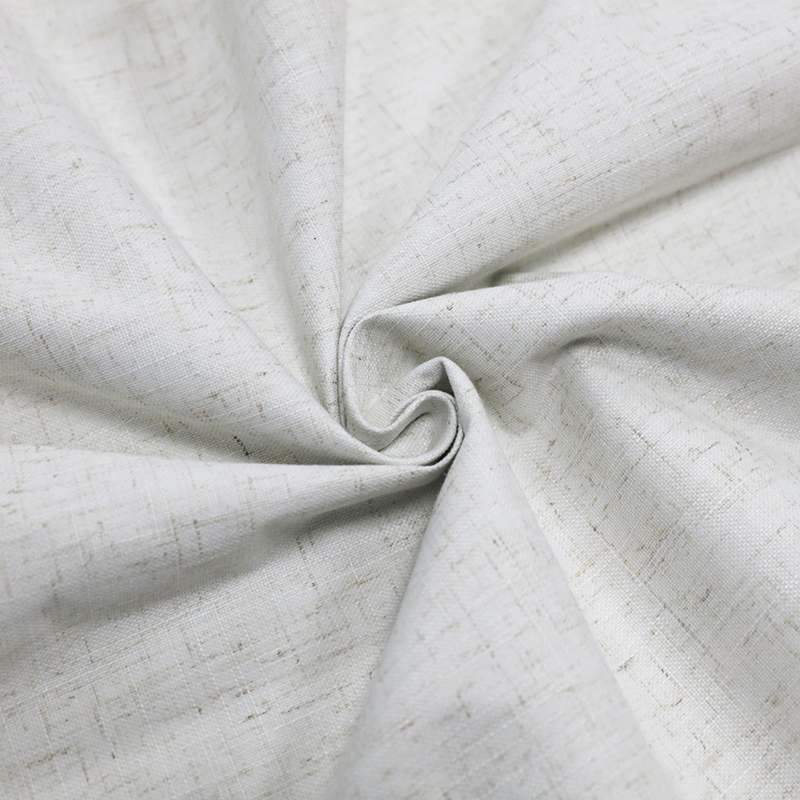
Linen is made from flax fibers, which are naturally thicker and more irregular than cotton or polyester fibers. This gives linen its signature slightly nubby texture, but it also means the weave inherently contains tiny gaps — even in a dense, high-thread-count linen. As a result, 100% pure linen curtains typically block only 60–80% of light, placing them in the "light-filtering" to "room-darkening" category rather than true blackout.
To achieve genuine blackout performance while keeping the linen look, manufacturers laminate or weave the linen face fabric together with an opaque backing layer. This is why most products labeled "blackout linen" are technically a linen-faced composite fabric rather than 100% raw linen.
How Blackout Curtain Linen Is Constructed
Most blackout linen fabric on the market uses one of the following constructions, each offering a different balance of texture, opacity, and drape.
Common blackout linen fabric constructions and their typical performance
| Construction |
Light Blocked |
Notes |
| 100% Pure Linen |
60–80% |
Natural texture, no backing layer |
| Linen-Cotton Blend + Foam Backing |
95–99% |
Softer drape, moderate weight |
| Linen-Look Polyester + Triple Weave |
99–100% |
Most durable, fully opaque |
| Linen Face + Acrylic-Coated Backing |
99–100% |
Authentic linen feel, added thermal benefit |
Real Linen Blend vs. Linen-Look Polyester
Linen-Cotton Blend Blackout Fabric
This option typically combines around 55–60% linen with 40–45% cotton, bonded to a foam or coated backing. It offers the most authentic linen hand-feel and breathability of the composite options, and the natural fiber content gives it a softer, more organic drape than synthetic alternatives. The tradeoff is that it's generally more prone to wrinkling and requires gentler care.
Linen-Look Polyester Blackout Fabric
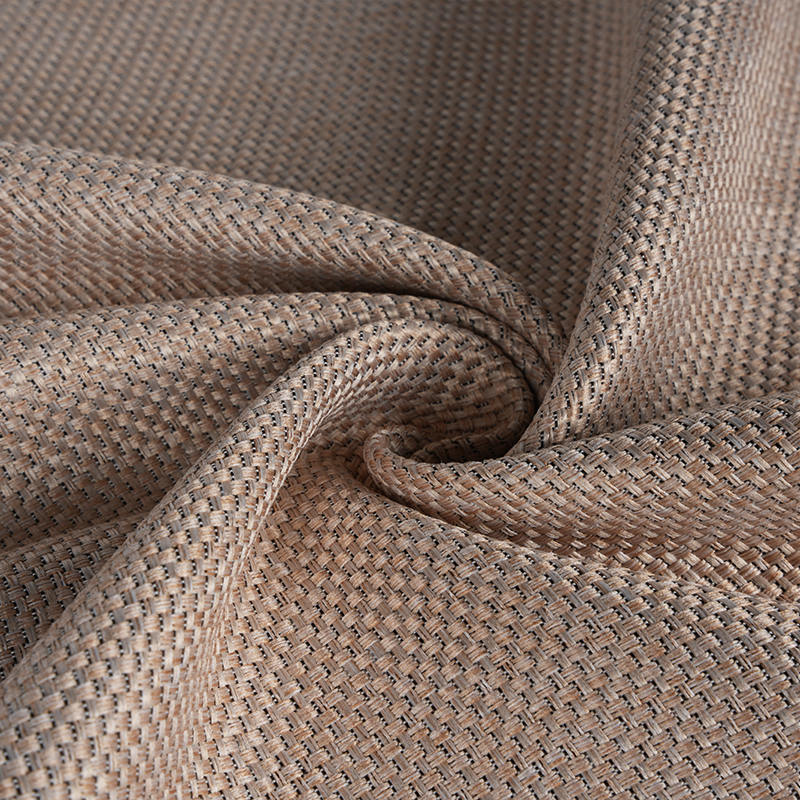
This is a fully synthetic fabric engineered with a woven texture that mimics linen's slubbed, nubby appearance. Because it's 100% polyester, it holds its shape better, resists wrinkling, and is significantly more colorfast under prolonged sun exposure — an important factor since blackout curtains are often installed on south- or west-facing windows that get the most direct light.
Key Factors to Check Before Buying
- Light-blocking percentage: look for an explicitly stated rate of 99% or higher, not just the word "blackout" on the label
- Fabric weight (GSM): heavier fabric in the 280–350 GSM range generally indicates a fuller layered construction
- Fiber content: check whether it's a linen blend or linen-look synthetic, since this affects both feel and care requirements
- Backing type: foam backing adds insulation, while triple-weave construction tends to be more machine-wash friendly
Matching Blackout Linen to Your Room
Living Rooms and Dining Areas
For shared living spaces, linen-cotton blend blackout fabric is often the best fit, since its natural drape and texture read as more decorative and less utilitarian than a fully synthetic option — useful when the curtains are as much about aesthetics as function.
Bedrooms
Prioritize the highest verified light-blocking rate available, ideally 99% or above, and choose a foam-backed option if the room also gets significant heat gain, since the added insulation can noticeably improve comfort during summer months.
Nurseries
Linen-look polyester blackout fabric is generally the more practical choice here, since it's easier to machine wash and more resistant to wrinkling and staining than a natural linen blend, without sacrificing the same soft, textured appearance.
Care and Maintenance Tips
- Check the care label before washing — foam-backed fabrics often require spot cleaning or dry cleaning only, since machine washing can crack or delaminate the foam layer
- Vacuum curtains periodically with a soft brush attachment to remove dust buildup, which is common in textured linen weaves
- Iron on a low, no-steam setting if needed, and always test an inconspicuous area first, since high heat can damage the backing layer
Final Checklist Before You Buy
Before purchasing blackout curtain linen, confirm three things: a verified 99%+ light-blocking rating, a fabric weight of at least 280 GSM, and whether you want a natural linen blend or a lower-maintenance linen-look synthetic. Getting these details right ensures you get both the warm, textured look of linen and the full-room darkness that "blackout" actually promises.

 English
 Español
 عربى
عربى

 Leave a message
