The short answer: blackout curtain fabric blocks light through its weave density and layer count, not just its color or thickness, and the light-blocking rating printed on the label — typically 90%, 95%, or 99–100% — tells you exactly how much light the specific weave and layer combination actually stops. A single-weave dark fabric can look opaque but still leak far more light than a lighter-colored triple-weave fabric, so understanding the weave structure behind the rating matters more than color when comparing products.
The Three Main Weave Structures
Nearly all blackout curtain fabric on the market falls into one of three weave categories. Understanding the difference explains why two fabrics can both be labeled "blackout" yet perform very differently in practice.
Comparison of blackout curtain fabric weave structures and their typical light-blocking performance
| Weave Type |
Layers |
Light Blocked |
| Single Weave |
1 |
40–70% |
| Double Weave |
2 |
80–95% |
| Triple Weave |
3 |
99–100% |
Single Weave
A single-weave fabric is just one layer of tightly spun yarn. Even at a high thread count, microscopic gaps between fibers let light pass through, which is why single-weave fabric — regardless of how dark it's dyed — rarely exceeds 70% light blocking on its own.
Double Weave
Double-weave fabric layers two densely woven textiles together, often with a black or dark middle thread woven directly into the structure. This roughly doubles the physical barrier light has to pass through, pushing performance into the "room-darkening" range but usually still short of full blackout.
Triple Weave
Triple-weave fabric adds a third, densely compacted black layer sandwiched between two outer fabric layers. This third layer is specifically engineered with minimal or no gaps, which is why triple-weave construction is the standard used to achieve genuine 99–100% blackout performance.
How Light-Blocking Ratings Are Measured
Reputable manufacturers test light-blocking performance using a photometer or lux meter, measuring the amount of light that passes through the fabric compared to the amount hitting it directly. The result is expressed as a percentage — for example, a fabric that blocks 950 out of 1,000 lux would be rated at 95%.
It's worth noting that there is no single global regulatory standard enforcing "blackout" claims, which means ratings can vary in how strictly they're tested from one brand to another. When comparing products, look for brands that publish a specific tested percentage rather than just the word "blackout," and be skeptical of any fabric claiming 100% unless it explicitly states a triple-weave or foam-backed construction.
Reading a Fabric Spec Sheet Like a Buyer
A good blackout fabric listing should give you enough information to compare it fairly against alternatives. Here's what to look for:
- Light-blocking percentage, ideally tested and stated as a specific number (e.g., "99% light blocking") rather than a vague claim
- Fabric weight in GSM (grams per square meter) — heavier fabric, typically 250 GSM or above, usually indicates a fuller layered construction
- Weave type — single, double, or triple — which directly correlates with light-blocking capability as shown in the comparison table above
- Fiber content — polyester, cotton blend, or linen blend — which affects durability, drape, and care requirements
Why Color Isn't a Reliable Indicator of Light Blocking
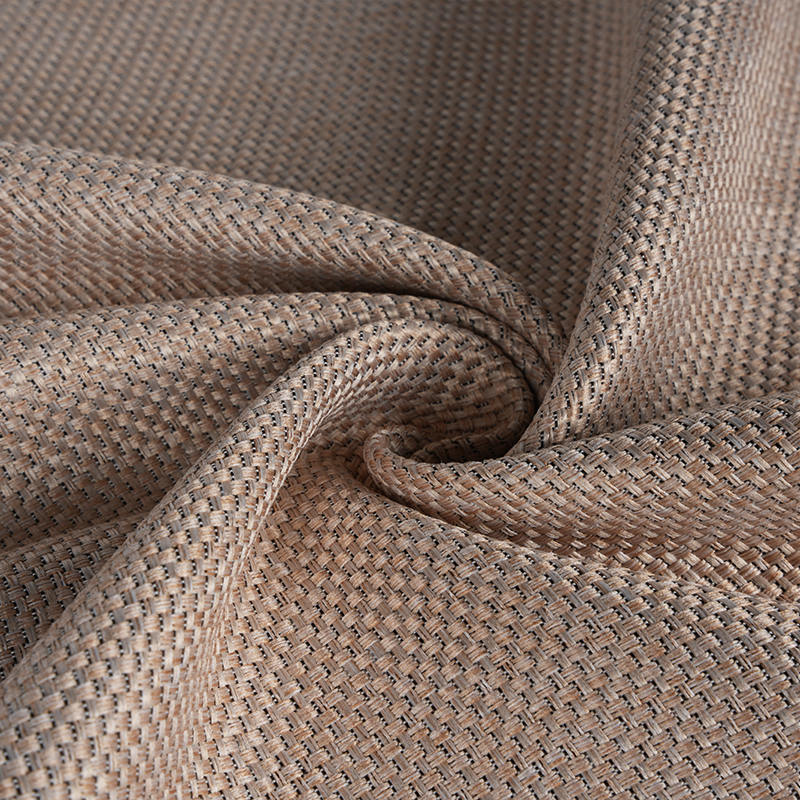
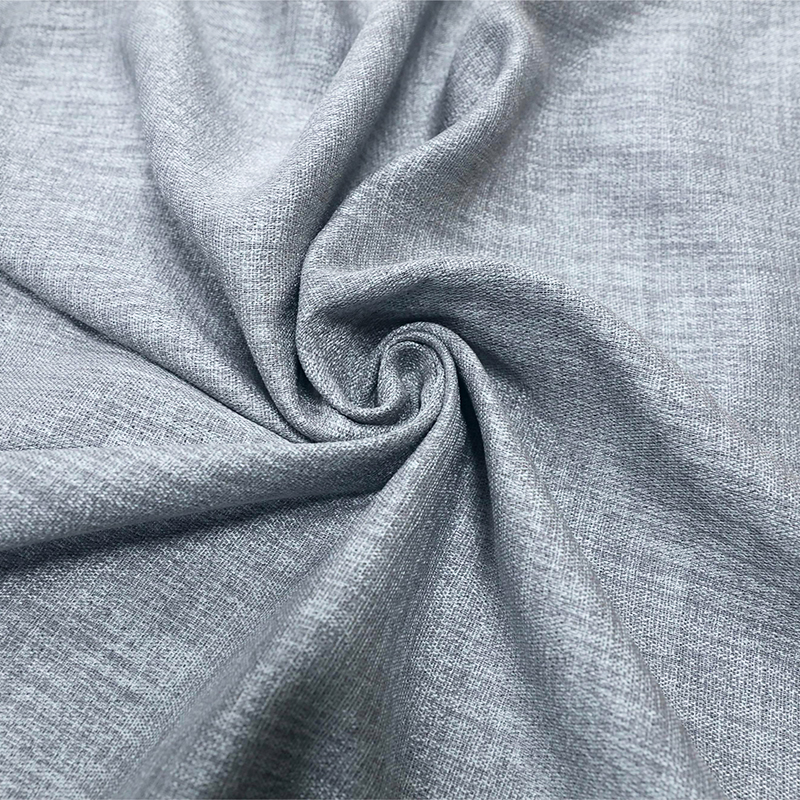
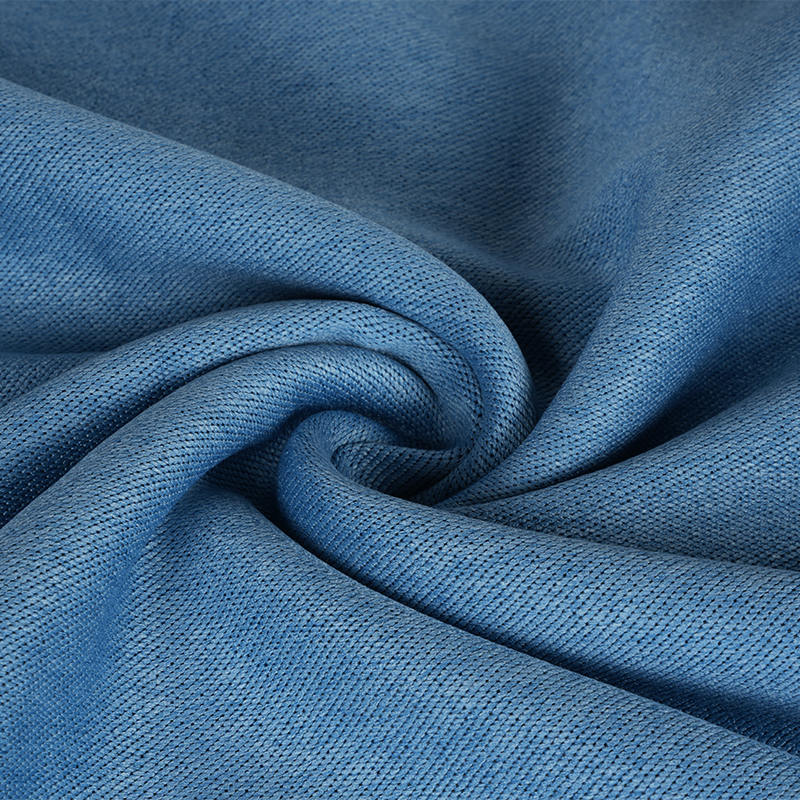
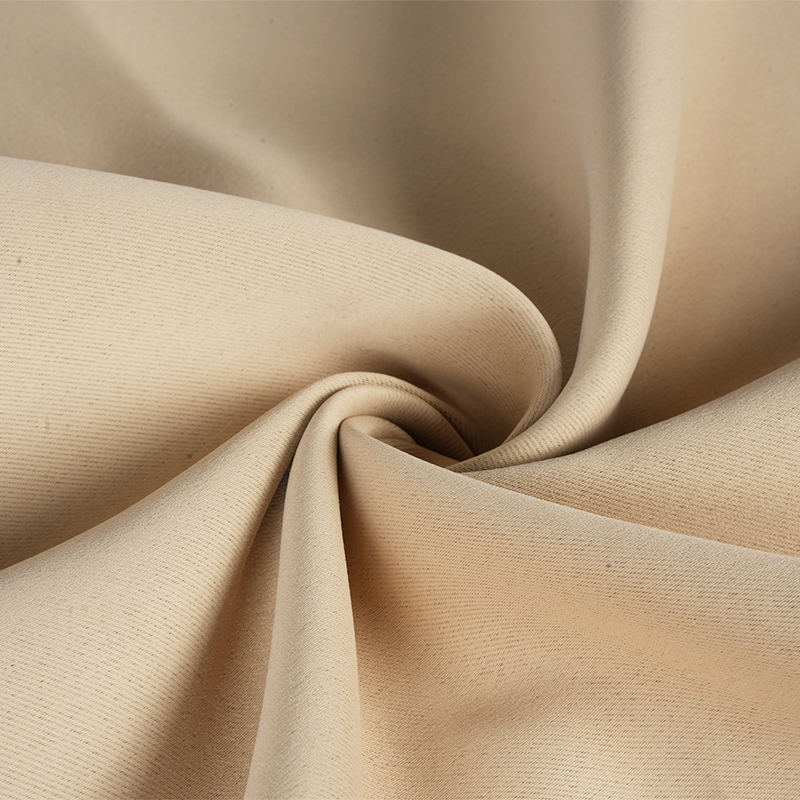
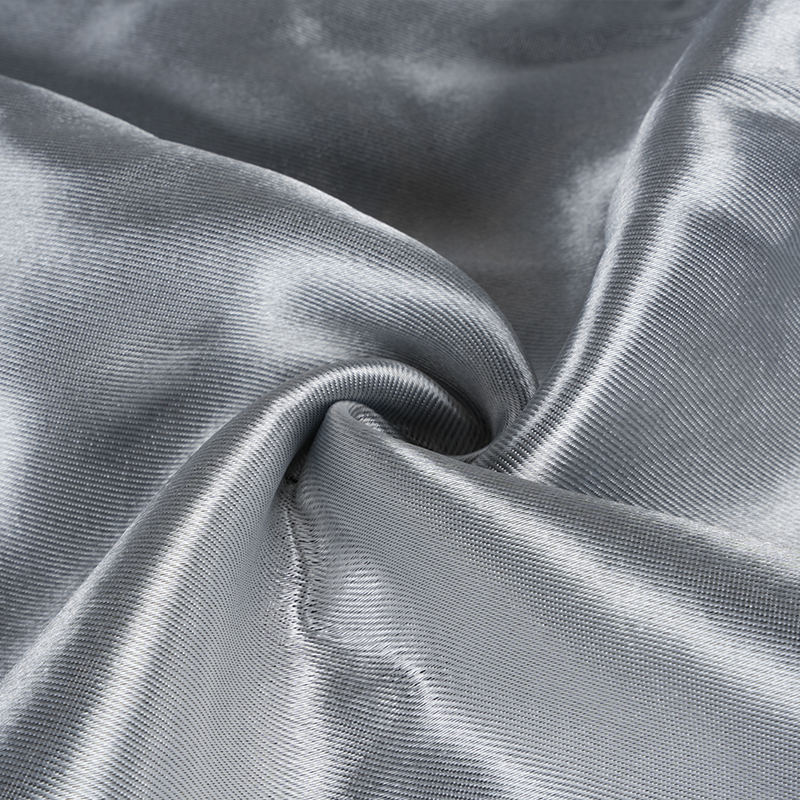
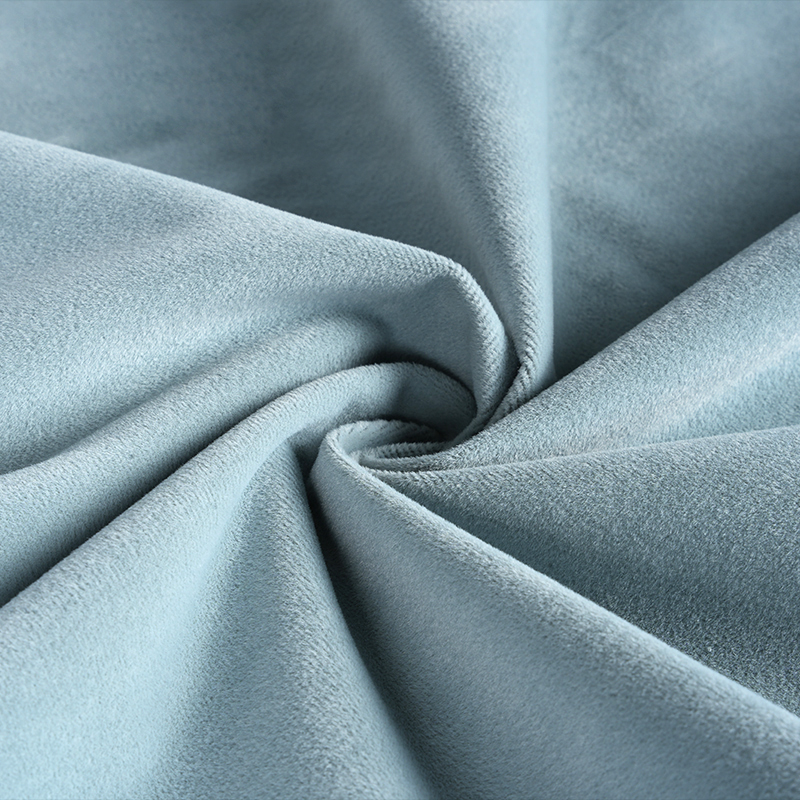
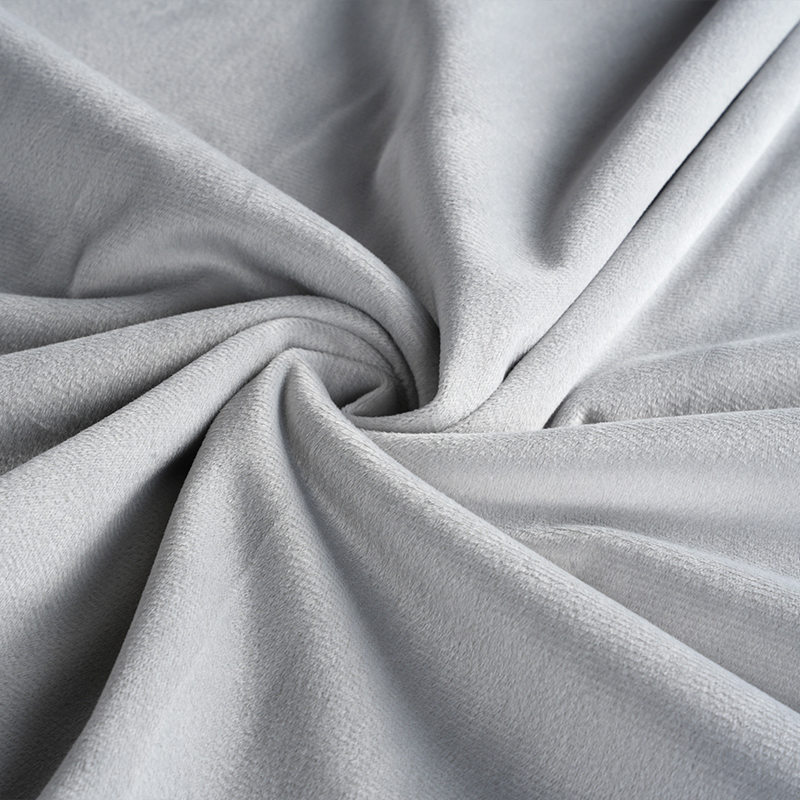
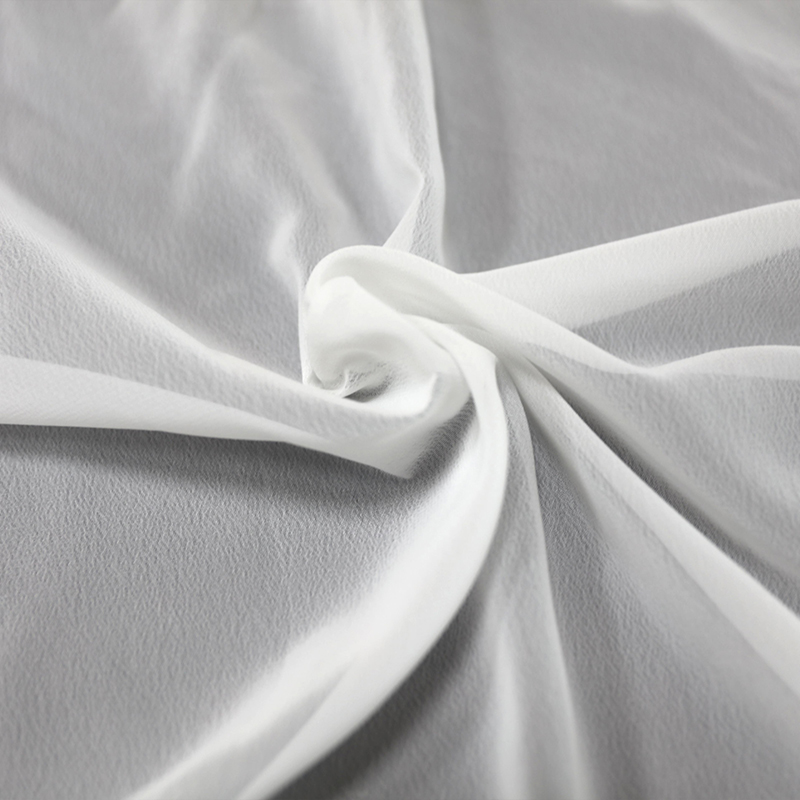
A common misconception is that darker curtains automatically block more light. In reality, a light gray triple-weave fabric will consistently outperform a black single-weave fabric because the weave structure — not the surface color — is what stops light from passing through. Color affects how much light is reflected versus absorbed on the surface, but it has little bearing on how much light travels through the fabric's internal gaps. This is why credible blackout fabric is available in a wide range of colors, including whites and pastels, while still achieving a 99–100% blocking rating.
Weave Type and Curtain Longevity
Weave structure also affects how well a curtain holds up over time. Triple-weave fabric, with its added internal layer, tends to resist sagging and stretching better than single-weave alternatives, since the compacted middle layer adds structural rigidity. In testing environments, triple-weave blackout fabric typically shows less visible wear after repeated washing cycles compared to lighter single-weave fabric, making it a better long-term investment for curtains that will be opened and closed daily.
Common Buying Mistakes
- Assuming a dark or black curtain automatically means maximum light blocking
- Overlooking the weave type listed in the product description, which is often the clearest indicator of actual performance
- Trusting the word "blackout" on a label without checking for a specific tested percentage
- Ignoring gaps around the curtain's edges and top, which can let in significant light even with a 100%-rated fabric
Final Checklist Before You Buy
Before purchasing blackout curtain fabric, confirm three things: the weave type (single, double, or triple), a specific tested light-blocking percentage rather than a generic label, and a fabric weight of at least 250 GSM. Focusing on these technical details — rather than color or price alone — is the most reliable way to get curtains that actually deliver the darkness they promise.

 English
 Español
 عربى
عربى

 Leave a message
