As temperatures drop in 2026, homeowners are increasingly moving away from high-tech energy solutions and returning to a classic, textile-based secret: Flannel Curtain Fabric. While often associated with cozy shirts and bedding, flannel has emerged as a powerhouse in the interior design world for its remarkable thermal properties.
In an era of rising energy costs, the window remains the primary source of heat loss in most residential buildings.
1. The Science of Warmth: How Flannel Traps Heat
The reason Flannel Curtain Fabric outperforms standard polyester or thin cotton lies in its manufacturing process, specifically a technique called “napping” or “brushing.”
1.1 The Role of the Brushed Texture
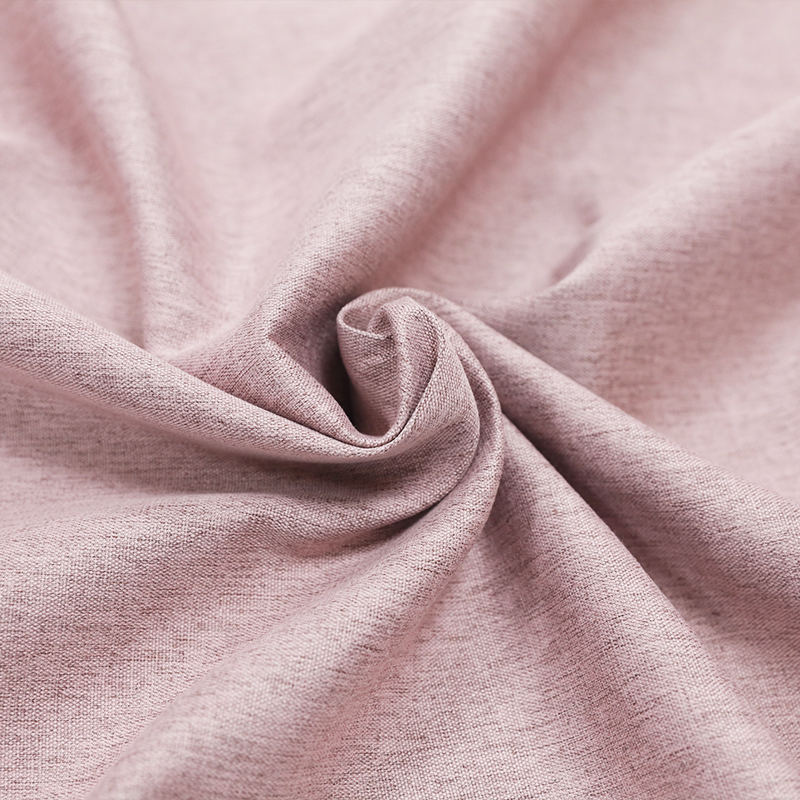
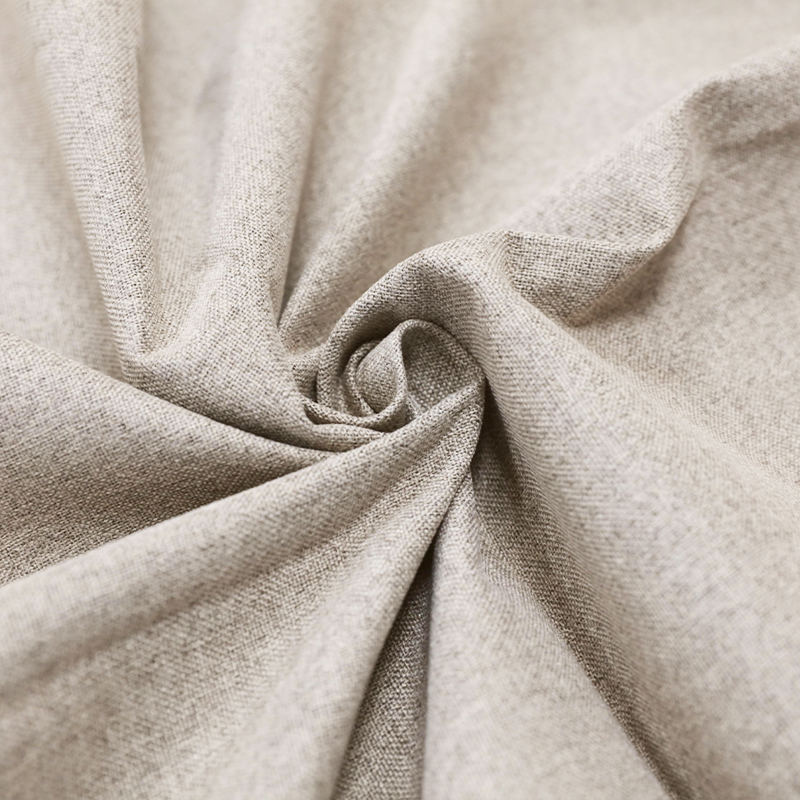
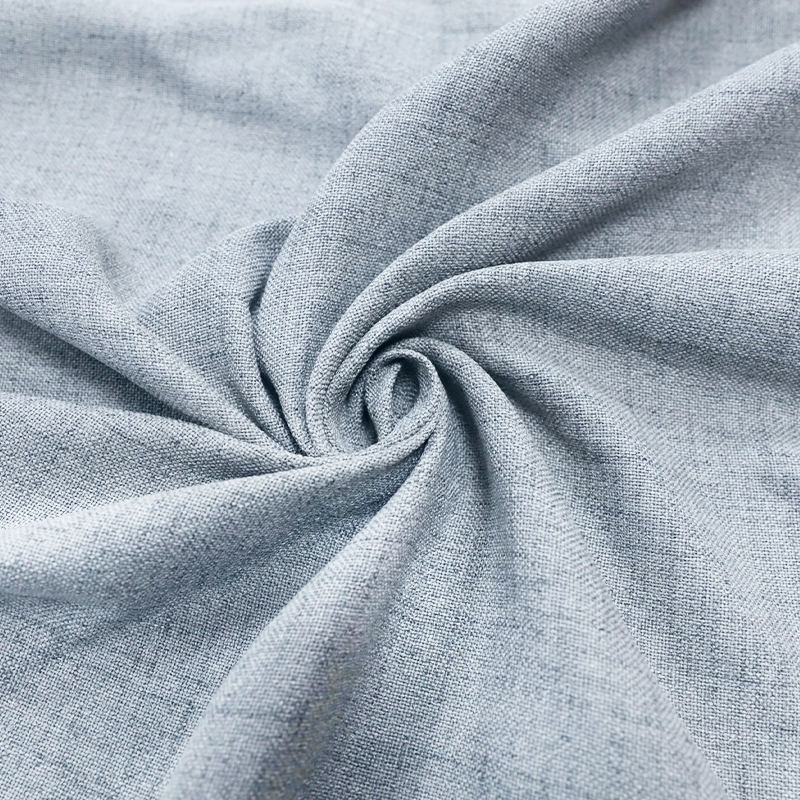
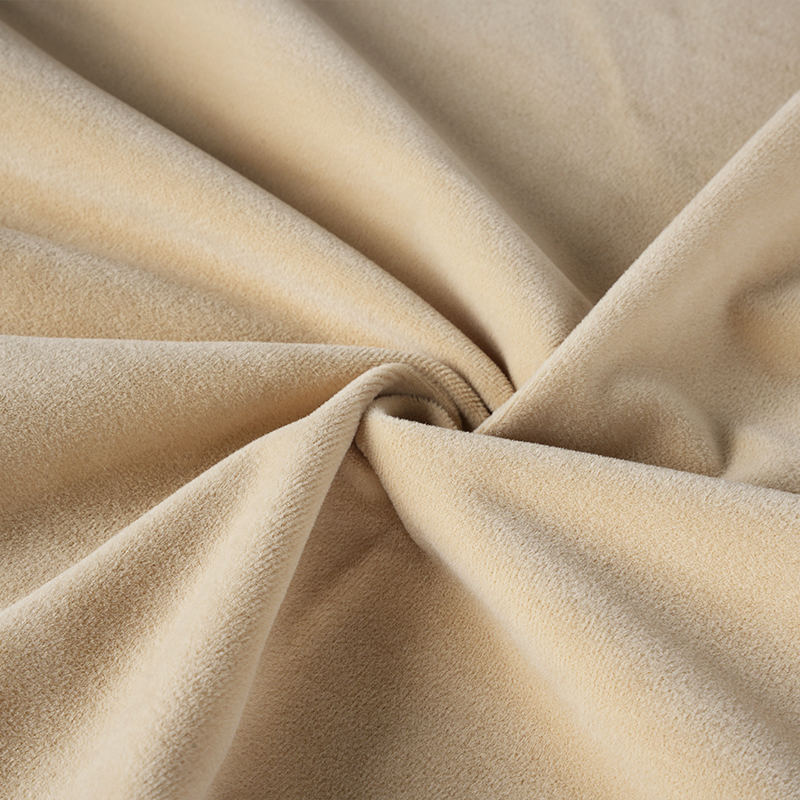
Unlike smooth fabrics, flannel is brushed on one or both sides with fine metal brushes. This process raises the fibers, creating a fuzzy, soft surface.
- Air Trapping: These raised fibers create millions of microscopic air pockets. In physics, stagnant air is one of the best natural insulators. These pockets act as a thermal buffer, preventing the warm air generated by your heater from coming into contact with the cold window glass.
- Thermal Conductivity: Flannel has very low thermal conductivity. This means it doesn’t transfer heat easily, keeping the warmth inside your room and the “chill” of the windowpane outside.
1.2 GSM and Fabric Density
In the textile industry, GSM (Grams per Square Meter) is the key metric for quality. For winter insulation, a high-GSM flannel (typically 280g and above) provides the density required to stop drafts. A heavy-duty Flannel Curtain Fabric acts almost like a blanket for your windows, providing a physical barrier that lightweight sheers simply cannot match.
2. Technical Comparison: Flannel vs. Other Window Treatments
To understand the ROI of switching to flannel, it is helpful to compare it to other popular curtain materials used in modern homes.
Thermal Performance Matrix
| Fabric Type |
Thermal Insulation |
Sound Dampening |
Light Blocking |
Drape Quality |
| Standard Cotton |
Low |
Low |
30-50% |
Light/Crisp |
| Polyester Voile |
Minimal |
None |
<10% |
Airy/Sheer |
| Velvet |
High |
Excellent |
90-100% |
Heavy/Formal |
| Flannel Fabric |
Excellent |
High |
70-90% |
Soft/Matte |
| Linen |
Moderate |
Low |
40-60% |
Textured/Casual |
2.1 Flannel vs. Velvet: The Practical Winner
While Velvet is also a great insulator, Flannel Curtain Fabric offers a more “casual-chic” aesthetic that fits modern farmhouse or minimalist decor. Flannel is generally easier to maintain and doesn’t attract dust as aggressively as high-pile velvet, making it a more practical choice for allergy-prone households.
3. Beyond Heat: The Hidden Benefits of Flannel
While reducing heating bills is the primary goal, the physical structure of flannel provides several secondary benefits that improve your home’s “Liveability.”
3.1 Acoustic Insulation (Soundproofing)
The same fuzzy fibers that trap heat also absorb sound waves. If you live on a busy street or in an urban center, hanging Flannel Curtain Fabric can reduce exterior noise by up to 20-30%. It softens the echoes within a room, making high-ceilinged spaces feel more intimate and quiet.
3.2 Natural Light Filtering and Privacy
Flannel provides excellent privacy without completely darkening a room like heavy blackout vinyl. It filters light into a soft, diffused glow, which is perfect for living rooms and home offices where you want natural light without the glare or the “cold” draft.
4. Maximizing Energy Efficiency: Installation Tips
To truly see a reduction in your heating bill, how you hang your Flannel Curtain Fabric is just as important as the material itself.
4.1 The “Floor-to-Ceiling” Strategy
For maximum thermal protection, curtains should be hung as close to the ceiling as possible and extend all the way to the floor. This minimizes the “chimney effect,” where cold air enters at the bottom and warm air escapes at the top.
- Wrap-Around Rods: Use a curved rod that allows the curtain to touch the wall. This seals the sides of the window, preventing “side-leaking” drafts.
4.2 Layering with Sheers
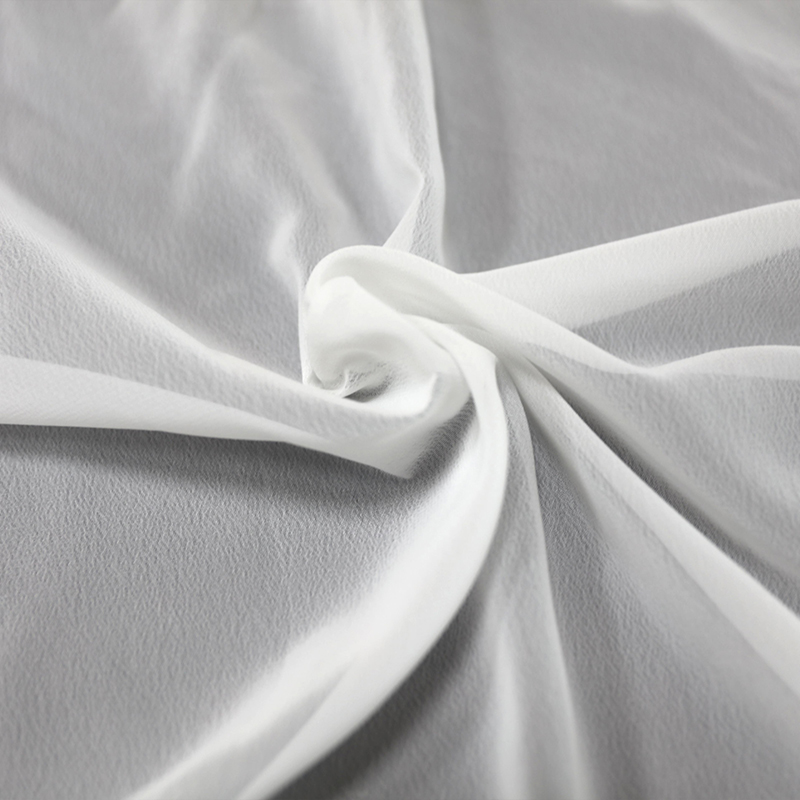
In the B2B hospitality sector, designers often layer Flannel Curtain Fabric over a light sheer. During the day, the flannel can be pulled back to let the sun warm the room (passive solar gain), and at night, they are closed to lock that heat in.
5. Maintenance: Does Flannel Last?
A common concern with flannel is pilling and shrinkage. However, modern textile engineering has solved many of these issues.
- Pre-shrunk Fabrics: High-quality wholesale flannel is often “Sanforized” (pre-shrunk) to ensure your curtains don’t shorten after the first wash.
- Cleaning: Most flannel curtains are machine washable on a gentle cycle, provided they are dried on low heat to preserve the “napped” texture.
6. The Smart Winter Investment
Switching to Flannel Curtain Fabric is one of the most cost-effective “low-tech” upgrades you can make to a home. By leveraging the natural insulating properties of brushed fibers, you create a cozy sanctuary that resists the winter chill. Whether you are a homeowner looking to save on utilities or an interior designer seeking a soft, matte aesthetic, flannel is the winter secret that pays for itself.
7. FAQ: Frequently Asked Questions
Q1: Is flannel too heavy for standard curtain rods?
A: Most flannel is a medium-to-heavyweight fabric. While it doesn’t require industrial-strength hardware like heavy velvet, we recommend using sturdy wall anchors and a rod with at least a 1-inch diameter to prevent sagging over time.
Q2: Can I use flannel curtains in the summer?
A: Surprisingly, yes. Thermal insulation works both ways. Just as it keeps heat in during winter, it can help keep the summer heat out. However, for a lighter look, many people swap them for linen in the warmer months.
Q3: Does flannel fabric attract pet hair?
A: Due to its brushed surface, it can attract more pet hair than smooth silk or polyester. Regular vacuuming with a brush attachment or using a lint roller easily solves this.
8. References
- Thermal Conductivity of Textile Materials, Journal of Engineering Fibers and Fabrics.
- Energy Efficiency in Residential Buildings: The Role of Window Treatments, Department of Energy (DOE).
- Acoustic Absorption Properties of Napped Fabrics, Textile Research Journal.

 English
 Español
 عربى
عربى

 Leave a message
