Designing a nursery is a task that balances aesthetic charm with rigorous functional requirements. Among all the elements of a child’s room, the choice of Blackout Curtain Fabric is perhaps the most vital for health and development. Infants spend a significant portion of their first year sleeping, and their circadian rhythms are highly sensitive to external light.
Safety and Air Quality: Prioritizing Non-Toxic Materials for Developing Lungs
When selecting a blackout curtain fabric for a nursery, the chemical profile of the material should be your first consideration. Traditional blackout fabrics achieved their light-blocking properties through “coating”—a process where layers of synthetic rubber, PVC, or acrylic foam are sprayed onto the back of a decorative cloth. While effective at blocking light, these coatings can “outgas” Volatile Organic Compounds (VOCs), especially when heated by direct afternoon sunlight hitting the window. In a small, enclosed nursery, these chemical odors are not just unpleasant; they can be irritants for a baby’s sensitive respiratory system.
The Technical Superiority of Triple-Woven Fabrics
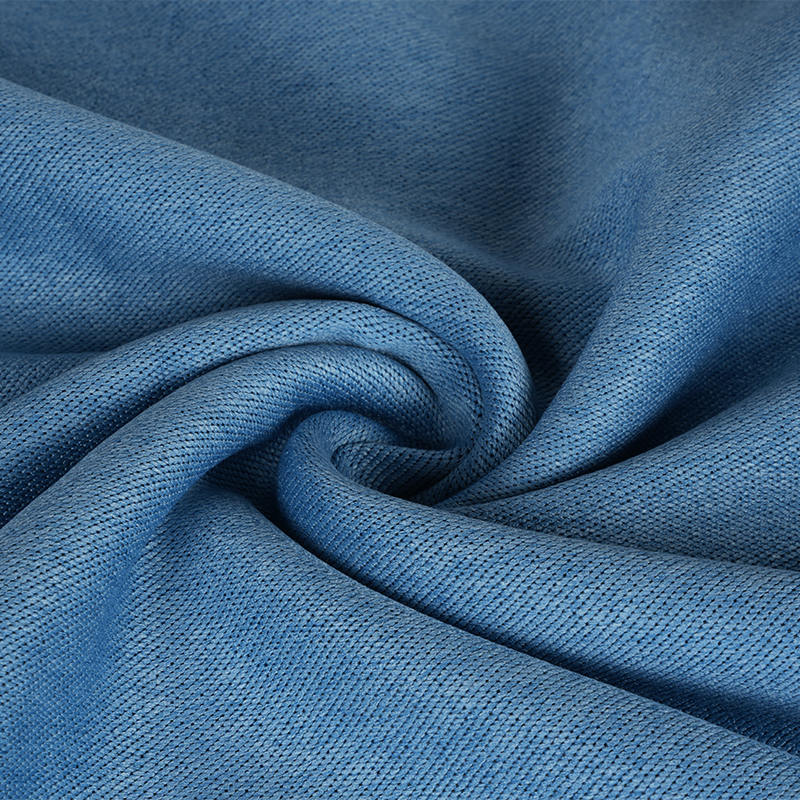
For parents prioritizing health, Triple-Woven Polyester has emerged as the premier choice. Unlike coated fabrics, triple-weave technology is a purely mechanical solution. It utilizes a high-density weaving process where a core layer of high-tenacity black yarn is sandwiched between two layers of decorative colored yarns.
This “sandwich” construction achieves an impressive 85% to 98% blackout rate without a single drop of chemical coating. Because the fabric remains a singular textile unit without a stiff backing, it is incredibly soft to the touch and drapes beautifully. More importantly, it is breathable and naturally free from the “plastic” smell associated with budget blackout options. For a nursery, this ensures that the air remains clean and the environment feels cozy rather than industrial.
Verifying Safety: Certifications and Standards
To ensure the fabric is truly safe, look for international certifications. The OEKO-TEX Standard 100 is the global benchmark. A fabric with this label has been rigorously tested for over 100 harmful substances, including formaldehyde, pentachlorophenol, and nickel. In a nursery, where a child might eventually touch or even chew on the hem of a curtain, knowing the dyes and fibers are non-toxic provides essential peace of mind.
Light Control and Sleep Science: Achieving “Midnight” at Midday
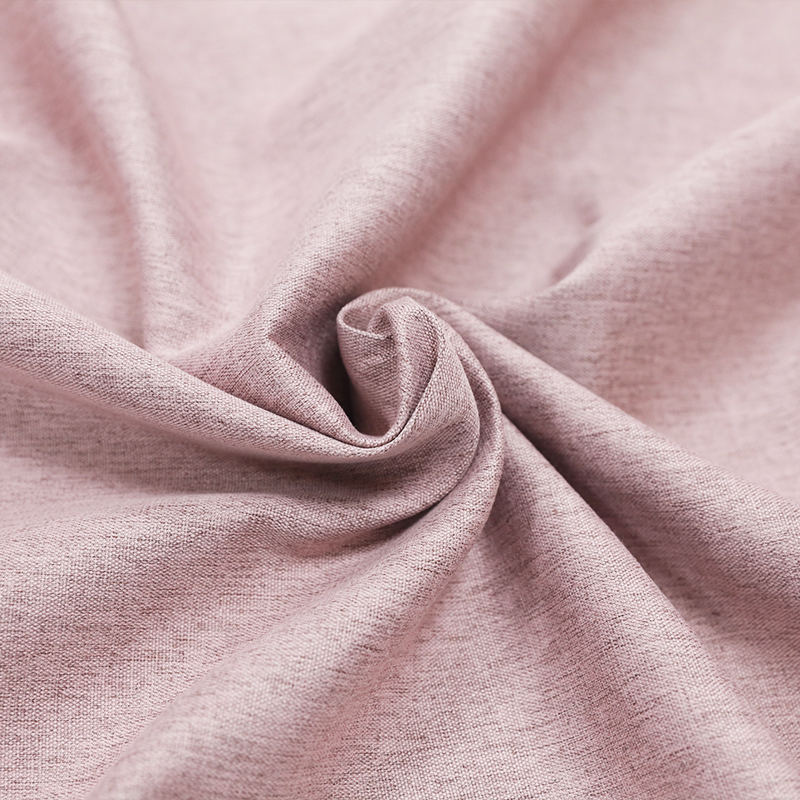
Light is the primary cue for a human’s internal clock. For infants, whose melatonin production is still developing, even a sliver of light under the door or through a window can signal that it is time to wake up. While triple-weave fabrics are excellent for safety, light colors (like soft pinks or whites) may still allow a slight “glow” during peak daylight.
The Double-Layer Lining System
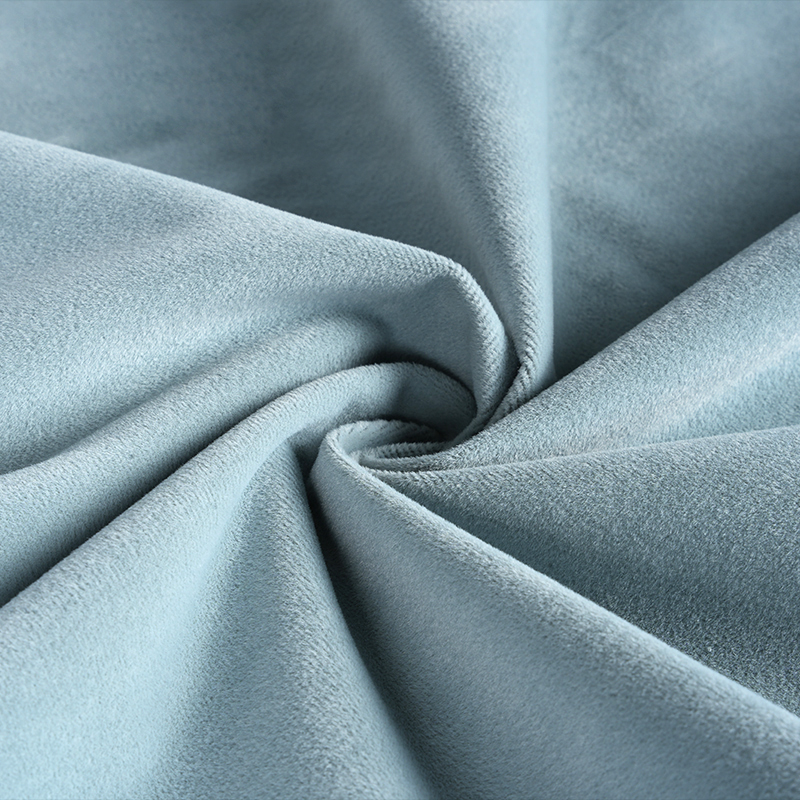
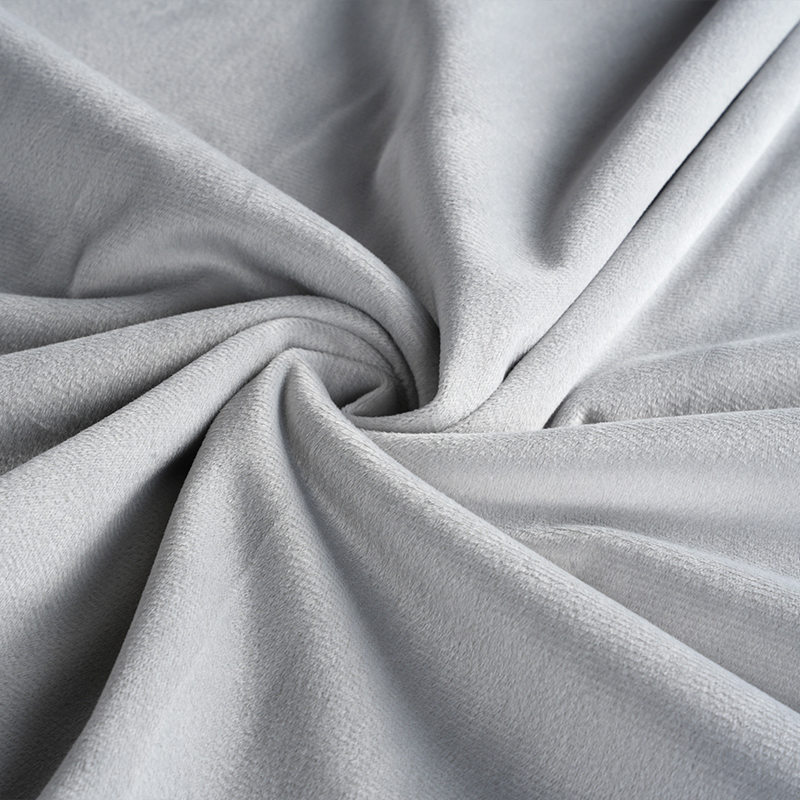
If you want 100% total darkness while maintaining a specific nursery theme, the most effective professional solution is a double-layer curtain system. This involves choosing a soft, decorative face fabric—perhaps a whimsical printed cotton or a luxurious velvet—and pairing it with a separate, high-performance blackout lining.
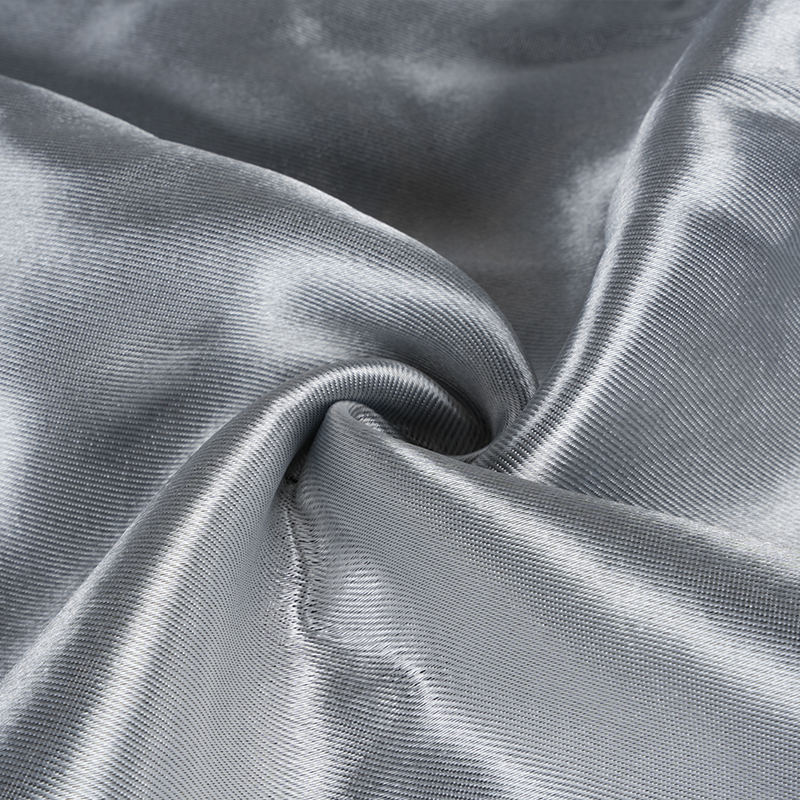
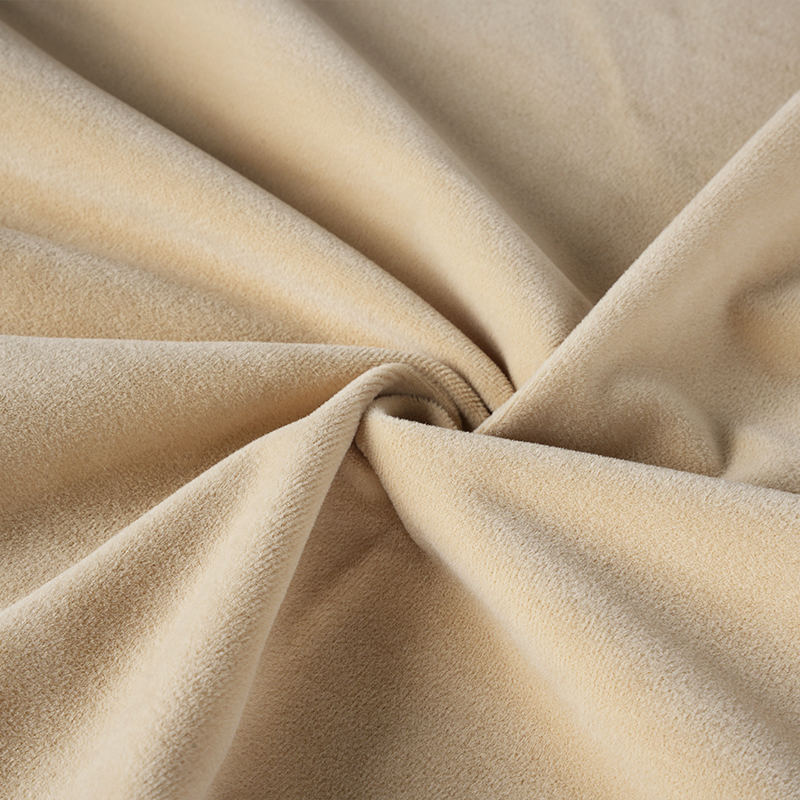
Modern high-end linings are often “flocked” with multiple layers of fine microfiber or treated with eco-friendly silicone. By using a separate lining, you create an extra air gap between the layers, which further enhances the light-blocking capabilities. This configuration ensures that even if you choose a pale cream decorative fabric, the room can achieve a “zero-lux” environment, which is proven to help infants stay in deep REM sleep for longer durations during afternoon naps.
Managing Light Leaks: The “Wrap-Around” Effect
The fabric itself is only half the battle. To maximize the effectiveness of your chosen blackout material, consider the installation. Using a wraparound curtain rod allows the fabric to curve back to the wall, sealing the “light gap” at the edges of the window. For a nursery, this edge-to-edge coverage is what transforms a “dark room” into a “blacked-out sanctuary,” preventing the sudden shafts of light that often wake babies as the sun moves across the sky.
Thermal Insulation and Noise Reduction: Creating a Stable Microclimate
A nursery must be a stable thermal and acoustic environment. Babies are far less efficient at regulating their body temperature than adults, and their sleep is easily disrupted by “startle responses” caused by sudden outside noises, such as a car horn or a neighbor’s dog.
The Thermal Barrier of High-GSM Fabrics
Blackout fabrics are characterized by their high GSM (Grams per Square Meter). This density makes them excellent thermal insulators. During the summer, a heavy blackout fabric reflects solar radiation, preventing the nursery from becoming a “greenhouse.” In the winter, the same density prevents the “cold sink” effect, where heat is lost through the window glass. By maintaining a consistent temperature between 20°C and 22°C (68°F–72°F), you reduce the risk of overheating—a known factor in safe sleep guidelines.
Acoustic Dampening for Better Naps
While no fabric is truly “soundproof,” the thick, porous nature of a high-quality blackout textile acts as a sound absorber. Sound waves are essentially vibrations; when they hit a heavy, pleated curtain, the energy is dissipated within the fibers rather than bouncing off the hard glass of the window. This reduces the “sharpness” of external noises. For nurseries located in urban areas or near busy intersections, choosing a blackout fabric with a “dim-out” or acoustic rating can lower ambient noise levels by several decibels, creating a muffled, womb-like atmosphere that encourages longer sleep cycles.
Technical Comparison of Nursery-Friendly Fabrics
The following table compares the three most common types of blackout solutions used in modern nursery design.
| Feature |
Coated Blackout Fabric |
Triple-Woven Fabric |
100% Blackout Lining |
| Opacity Level |
100% (Total Dark) |
85% - 98% (Dim-out) |
100% (Total Dark) |
| Chemical Profile |
May contain VOCs |
No chemicals/Non-toxic |
Eco-silicone options |
| Texture/Hand |
Stiff and waxy |
Soft and drapable |
Smooth and functional |
| Maintenance |
Hand wash/Wipe only |
Machine Washable |
Dry clean recommended |
| Durability |
Coating can crack |
Very High |
High |
| Acoustic Value |
Moderate |
High |
Excellent (when layered) |
FAQ: Frequently Asked Questions
Q1: Is “Blackout” the same as “Room Darkening”?
A: No. “Room Darkening” usually refers to fabrics that block about 75-85% of light. “Blackout” implies a 95% to 100% light-blocking capability. For a nursery, true blackout is generally preferred to ensure total control over the sleep environment.
Q2: How do I remove the “new curtain” smell?
A: If you have chosen a coated fabric, hang it in a well-ventilated area for 48 hours before installing it in the nursery. If you use a triple-woven fabric, a simple machine wash with a baby-safe detergent will remove any industrial dust or scents.
Q3: Does the color of the fabric matter for light blocking?
A: With triple-weave technology, yes—darker colors block more light. However, if you use a 100% blackout lining, the color of the decorative face fabric does not matter at all; a white curtain will block just as much light as a black one.
References
- OEKO-TEX® Association: Standard 100 – Testing for Harmful Substances in Textiles, 2025.
- National Sleep Foundation: The Role of Darkness and Melatonin in Infant Sleep Health.
- ASTM D6551: Standard Practice for Accelerated Weathering of Pressure-Sensitive Tapes (applied to coating durability).
- Wuxi Qida Textile Laboratory: Comparative Analysis of VOC Emissions in Coated vs. Triple-Woven Polyester Fabrics, 2026.

 English
 Español
 عربى
عربى

 Leave a message
