How to Remove Wrinkles from Blackout Curtain Linen Without Damaging the Coating
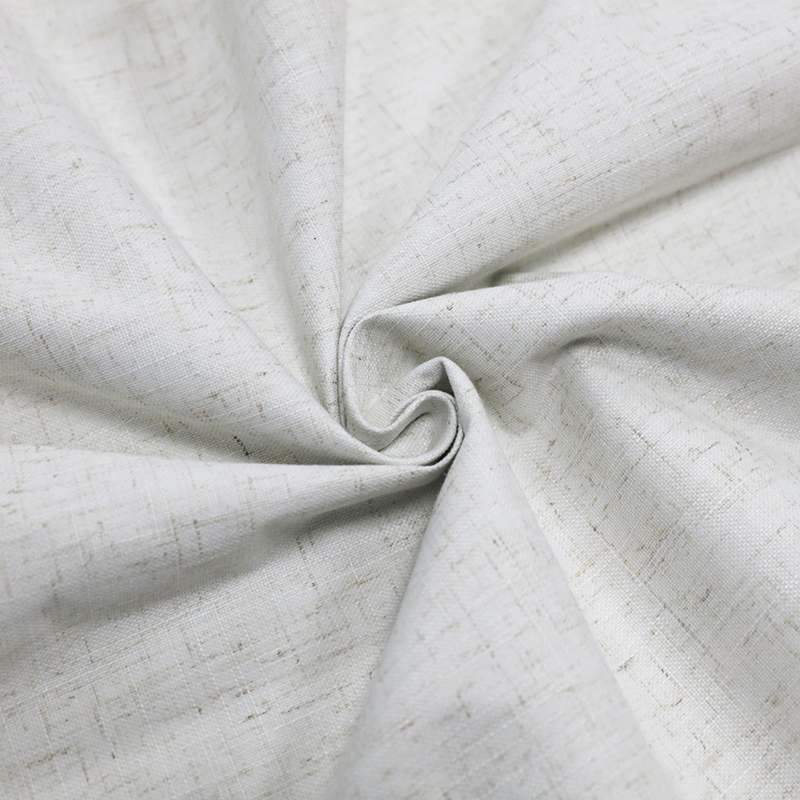
Blackout curtain linen is a sophisticated hybrid of natural aesthetics and synthetic utility. It combines the beautiful, slubby, and organic texture of natural linen on the front with a specialized blackout coating applied to the reverse side. This coating, often composed of multiple layers of acrylic or silicone foam, is what gives the fabric its light-blocking and thermal-insulating properties. However, because linen is a natural fiber prone to heavy creasing, and the synthetic coating is highly sensitive to heat, removing wrinkles requires a delicate technical balance. Using the wrong temperature or technique can cause the coating to melt, peel, or crack, effectively ruining both the functional light-blocking capability and the decorative appeal of the curtains.
Understanding the Material Composite
To safely de-wrinkle these curtains, one must understand the anatomy of the fabric. The front layer is usually a linen-polyester blend or 100 percent linen. Linen fibers are stiff and have low elasticity, which is why they wrinkle so easily during shipping and folding. The back layer, or the coating, is often referred to as a “3-pass” or “4-pass” coating. This means multiple layers of liquid polymer were applied and cured onto the fabric. These polymers have a much lower melting point than the natural fibers on the front.
The Risk of High Heat
Traditional iron settings for linen are the hottest on the dial, often exceeding 200°C. While the linen fibers can handle this, the synthetic coating cannot. If subjected to direct high heat, the coating becomes tacky and can stick to the ironing board or the iron itself. Once the coating is compromised, “pinholes” of light will appear where the polymer has thinned or melted away, making the blackout feature ineffective.
The Safe Steaming Method: The Professional Standard
Steaming is universally recognized by interior designers and professional installers as the gold standard for removing wrinkles from blackout linen curtains. Unlike ironing, which uses dry heat and heavy mechanical pressure, steaming uses moist heat to relax the fibers without direct contact. This is crucial for maintaining the integrity of the chemical bond between the linen face and the synthetic backing.
Why Vertical Steaming is Superior
When you steam curtains while they are hanging, you utilize gravity to your advantage. The weight of the fabric helps pull the wrinkles out naturally as the fibers soften. Furthermore, steaming allows for a more uniform distribution of heat, preventing the “hot spots” that occur with an iron. Since the steamer head does not need to touch the fabric, the risk of scorching or melting is virtually eliminated.
Step-by-Step Steaming Protocol
To achieve a professional finish, always start by hanging the curtains on their permanent rod. This allows you to see exactly where the creases are. Use a high-quality garment steamer and fill it with distilled water to prevent mineral buildup on the fabric.
- Steam from the Linen Side: Always apply the steam nozzle to the front linen side of the curtain. Never steam the coated back directly, as the concentrated vapor can sometimes cause the layers to delaminate if the heat is too intense.
- Maintain Distance and Motion: Keep the nozzle approximately one to two inches away from the surface. Move the steamer in slow, vertical strokes from the bottom to the top. The rising steam will help pre-soften the wrinkles in the upper sections before you even reach them.
- Hand Tensioning: While steaming the front, you can gently pull the bottom of the curtain taut with your other hand. This tension, combined with the steam, encourages the stiff linen fibers to straighten into a smooth, elegant drape.
The Low and Slow Ironing Technique: Rules for Indirect Heat
If a steamer is unavailable and you must use an iron, you must adopt a “Low and Slow” philosophy. This method treats the curtain more like a delicate silk or synthetic than a rugged linen. The primary objective is to transfer just enough heat to move the linen fibers without reaching the glass transition temperature of the blackout coating on the back.
The Role of the Pressing Cloth
A pressing cloth is your most important tool in this process. A clean, white cotton towel or a specialized silicon pressing sheet acts as a thermal buffer. It prevents the hot metal plate of the iron from making direct contact with the linen. This buffer ensures that the heat is diffused across a larger area, reducing the risk of localized melting.
Setting the Correct Temperature
Ignore the “Linen” setting on your iron. Instead, turn the dial to the “Synthetics” or “Silk” setting. This is usually the lowest heat setting that still produces a small amount of steam.
- The Sandwich Method: Place the curtain on the ironing board with the linen side facing up. Never place the coated side facing up. Lay your pressing cloth over the linen.
- Motion over Pressure: Use light, constant motion. Never leave the iron stationary in one spot, even for a few seconds. Heat builds up rapidly through the thin linen layer and can reach the coating underneath before you realize it.
- Check Frequently: Every few passes, lift the curtain and inspect the backing. If the coating feels tacky or looks shiny, your iron is too hot, and you must stop immediately to let the fabric cool.
Comparison of De-wrinkling Methods for Blackout Linen
| Method |
Safety Rating |
Effectiveness |
Risk to Coating |
Recommended For |
| Garment Steaming |
Highest |
Excellent |
Minimal |
Daily maintenance and initial install |
| Cool Ironing |
Moderate |
High |
Moderate |
Stubborn shipping creases |
| Damp Hanging |
High |
Low |
None |
Natural relaxation over time |
| Tumble Dry (Low) |
Low |
Moderate |
High |
Small curtains only (if label permits) |
| Mist and Pull |
High |
Moderate |
Low |
Light touch-ups |
FAQ: Frequently Asked Questions
Can I put my blackout linen curtains in a washing machine?
Most manufacturers recommend against machine washing because the agitation can cause the blackout coating to crack or peel. However, if the care label allows it, use a cold, delicate cycle and never use bleach or harsh detergents. Always hang them to dry immediately; never use a high-heat dryer cycle.
Why did my curtains develop white spots after ironing?
Those white spots are likely areas where the blackout coating has melted or cracked due to excessive heat. This is a permanent form of damage known as delamination. Light will now leak through these spots, and unfortunately, there is no way to repair the coating once it has been destroyed.
How long does it take for wrinkles to fall out naturally?
If you choose not to use heat, wrinkles can take anywhere from two to four weeks to fall out. You can accelerate this by lightly misting the linen side with a spray bottle of distilled water. The added weight of the moisture helps the fabric settle into a smooth shape.
Is it safe to use wrinkle-releaser sprays on these curtains?
Use caution with chemical sprays. Some contain alcohols or solvents that can react with the acrylic backing, making it sticky or causing it to yellow. Always test a tiny, hidden area first and wait 24 hours to see if any adverse reaction occurs before applying it to the whole curtain.
References and Citations
- International Textile and Apparel Association: Performance and Maintenance of Multi-Layered Functional Window Coverings.
- Journal of Applied Polymer Science: Thermal Sensitivity and Degradation of Acrylic and Silicone Coatings on Natural Fiber Substrates.
- Fabric Care Institute: Advanced Steaming Techniques for Coated Home Textiles (2026 Edition).
- Window Coverings Association of America: Standard Operating Procedures for Professional Curtain Installation and Steaming.

 English
 Español
 عربى
عربى

 Leave a message
