1. Thermal Insulation Performance and Energy Efficiency
The density of blackout fabric makes it an excellent insulator. This is a core factor in judging the long-term value and economic benefit of the curtains.
- Indicator Focus: Look for product descriptions explicitly labeled with “Thermal Insulated,” “Energy Efficient,” or mentioning the use of “Triple-Weave Technology.”
- Technical Principle: Triple-Weave Technology is the most common high-quality blackout structure. It achieves blackout and insulation not through a chemical coating, but by weaving a layer of high-density black (or dark) yarn between two layers of colored yarn. This structure effectively blocks heat transfer.
- Practical Benefits: High-quality insulated blackout curtains can block up to $99%$ of solar heat radiation from entering the room in summer, significantly reducing the air conditioning load. In winter, they reduce heat loss from indoor heating through the windows, saving on energy costs.
| Insulation Technology Type |
Advantages |
Disadvantages |
Suitable Scenarios |
| Triple-Weave |
Soft feel, usually machine washable, good insulation, nearly the same color on both sides. |
Higher cost, relatively limited color options. |
Bedrooms, living rooms with high sun exposure. |
| Foam or Acrylic Coating |
Excellent insulation and blackout (usually $100%$), moderate price. |
Stiff hand feel, may require dry cleaning or spot cleaning, the back is often white, and the lifespan may be shorter than woven fabrics. |
Hotels, rooms with strict requirements for $100%$ blackout. |
2. Noise Reduction Capability and Acoustic Density
The weight and density of blackout curtains not only block light but also effectively manage the acoustic environment of the room.
- Indicator Focus: Pay attention to the product’s weight and thickness. While few curtains can meet “soundproofing” standards, quality blackout curtains can provide “Noise Reducing” or “Sound Dampening” effects.
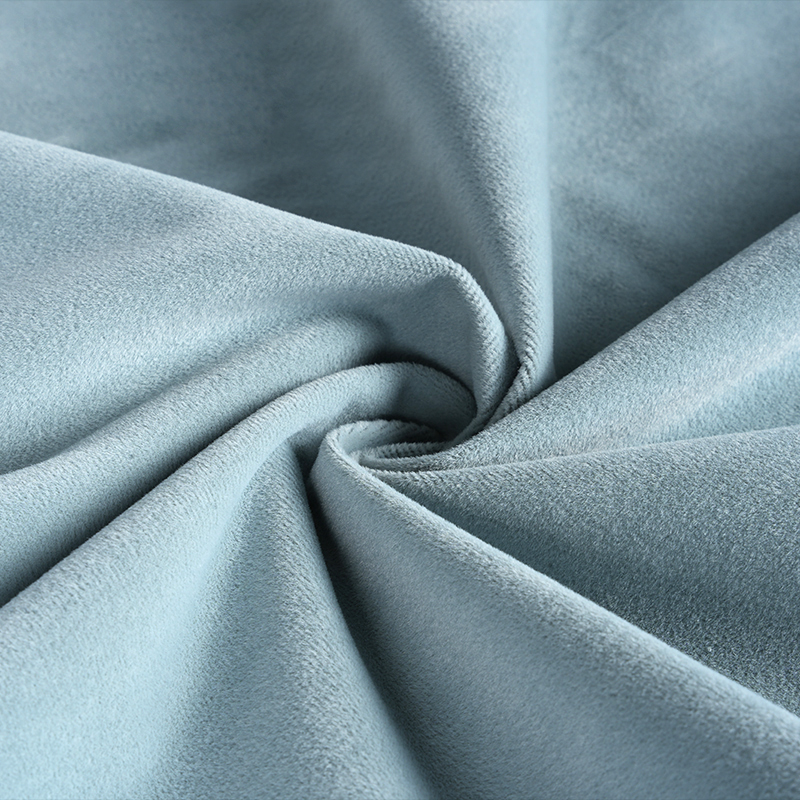
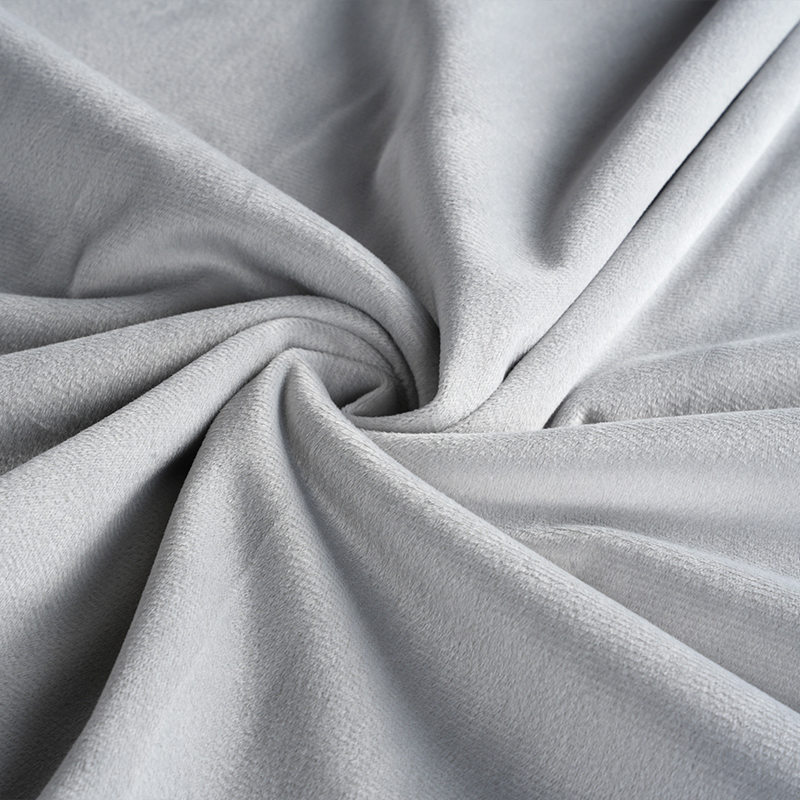
- Material Requirements: Look for heavy materials such as Velvet or multi-layered, high-density Polyester. They effectively absorb and scatter medium-to-high frequency ambient noise (like traffic, voices), creating a quieter environment for sleep or work.
3. Fabric Material and Drape
The material determines the curtain’s aesthetic appeal, texture, and lifespan.
- Material Selection:
- Polyester: Most common, durable, wrinkle-resistant, and easy to clean. It is the preferred choice for functional curtains.
- Linen/Cotton Blend: Offers a natural, elegant look but usually requires an additional “Sewn-in Blackout Liner” to achieve complete blackout, and may require dry cleaning.
- Drape: High-quality blackout curtains should have a good Drape, meaning the fabric forms uniform and aesthetically pleasing folds when hanging naturally. Material that is too stiff or too light will make the curtains look rigid or cheap.
4. Critical Measurements and Coverage (Light Leak Prevention)
Even a $100%$ blackout fabric will fail if it’s not installed correctly, allowing light to leak from the edges (known as “light seepage”). Correct sizing is crucial for achieving true blackout.
- Width Requirement: The flat width of the curtain should be at least $1.5$ to $2.5$ times the width of the window (or curtain rod) to ensure sufficient fullness (pleats) and prevent light from passing through when stretched too tightly.
- Length Requirement: The panels should extend $3$ to $6$ inches (approx. $7.5$ to $15$ cm) beyond the window frame on all sides (top, bottom, and sides) to maximize the seal against light seepage.
- Important Tip: Consider using Wraparound Rods which allow the curtain panels to hug the wall at the sides, completely eliminating light seepage along the edges.
5. Header Style (Hanging Method)
The design of the curtain’s header affects the degree of light leakage from the top.
- Rod Pocket / Back Tabs: These styles enclose the curtain rod within the fabric, effectively minimizing light leakage at the top and around the rod.
- Grommet: Easiest to install, but the metal eyelets themselves can let light through, and there is a large gap between the curtain top and the rod, making light leakage easy.
- Buying Advice: For maximum blackout effectiveness, prioritize Rod Pocket or consider using Roman Shades.
6. Safety and Health Certifications
Because blackout fabrics may contain chemical coatings or synthetic fibers, health certifications are essential for homes with infants, children, or allergy sufferers.
- Key Certifications: Look for OEKO-TEX Standard 100 or GREENGUARD Gold certifications.
- Certification Significance: These marks indicate that the curtain has been independently tested and proven to be free from harmful substances, or meets strict low-chemical emission standards, ensuring it won’t off-gas harmful substances (like formaldehyde) into your indoor air.

 English
 Español
 عربى
عربى

 Leave a message
