Introduction
Blackout curtain fabric is widely known for its ability to block light in bedrooms and home theaters, creating a dark, cozy environment. But in recent years, its use has expanded into office spaces, offering solutions for glare reduction, improved focus, and energy savings. With modern offices increasingly prioritizing employee comfort and productivity, blackout curtains have become more than a home luxury—they are a practical office tool.
By strategically using blackout curtains, offices can control natural light, maintain privacy, and even reduce utility costs.
Benefits of Blackout Curtain Fabric in Offices
1. Reduced Glare
Glare from sunlight can disrupt workflow and cause eye strain, especially in offices with large windows or open layouts. Screens and monitors reflect sunlight, making it difficult to focus or participate in video calls. Blackout curtain fabric blocks sunlight effectively, providing a visually comfortable environment for employees.
For spaces like design studios or offices with multiple displays, this can reduce headaches and improve overall work efficiency. Additionally, glare reduction can enhance video conferencing quality, making presentations clearer and more professional.
2. Improved Focus
Outside distractions—cars passing by, pedestrians, or neighboring buildings—can interfere with concentration. Installing blackout curtains creates a calm and controlled environment, minimizing visual disturbances.
Studies in office ergonomics have shown that reducing sensory distractions significantly improves productivity. Employees working in spaces with controlled lighting report fewer interruptions and higher focus levels, which is especially important in open-plan offices or creative studios.
3. Energy Efficiency
Blackout curtain fabric helps regulate office temperature by blocking heat in the summer and retaining warmth in the winter. This can reduce reliance on air conditioning and heating systems, lowering energy consumption and utility costs.
Moreover, energy-efficient window treatments contribute to sustainable office design, aligning with corporate green initiatives and building certifications such as LEED (Leadership in Energy and Environmental Design).
Choosing the Right Fabric for Office Spaces
Selecting the right blackout curtain fabric is crucial for achieving the desired combination of light control, aesthetics, and durability. Key factors include:
- Material Options:
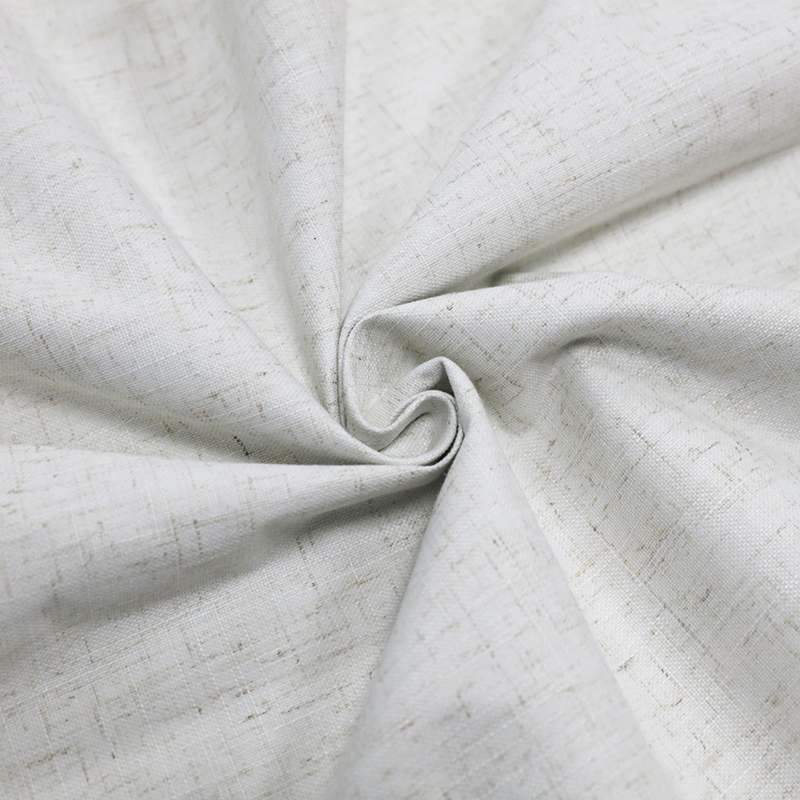
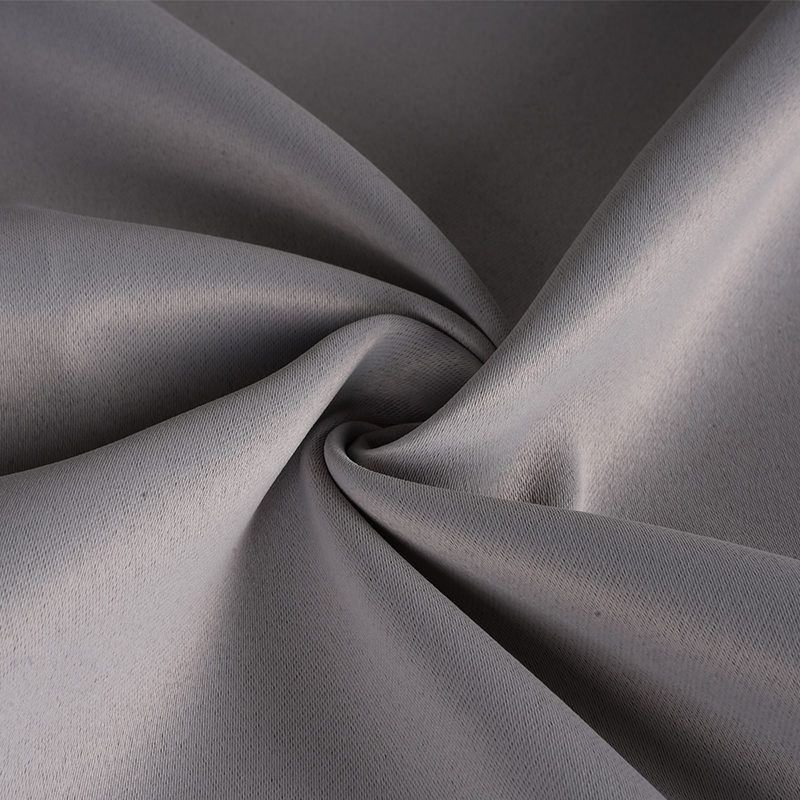
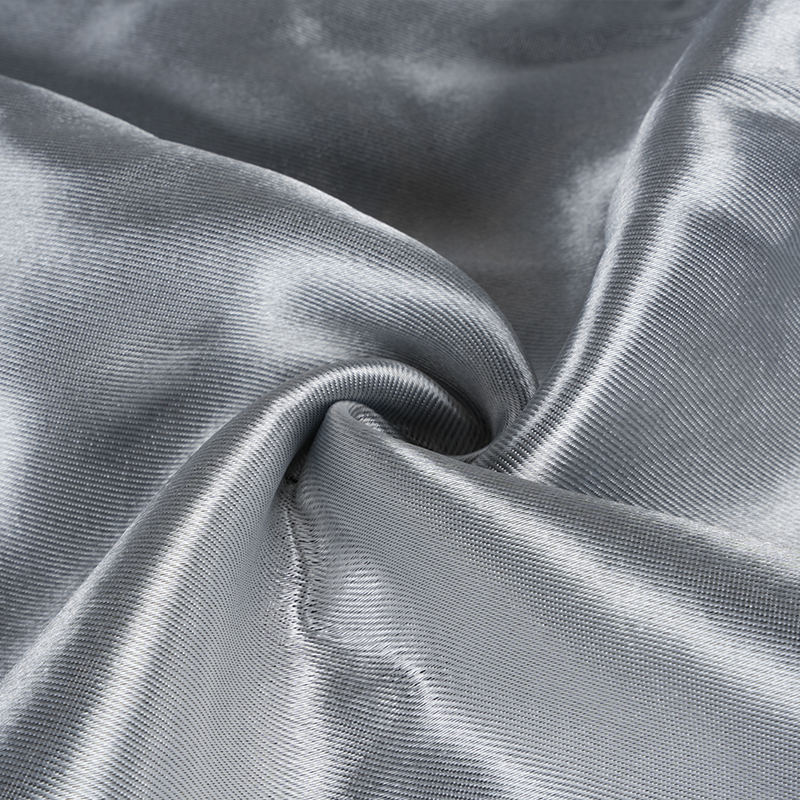
Polyester is durable and easy to clean, cotton blends offer a softer look, and eco-friendly fabrics use sustainable materials without sacrificing performance.
- Thickness vs. Light Blockage:
Heavier fabrics block more light but can make the space feel smaller. Lighter fabrics provide partial blockage while maintaining a bright atmosphere.
- Color Considerations:
Darker tones are suitable for private offices or conference rooms, while lighter shades maintain a professional feel in open-plan spaces.
Fabric Comparison Table
| Fabric Type |
Light Blockage |
Durability |
Maintenance |
Best Use Case |
| Polyester |
High |
High |
Easy |
Conference rooms, open offices |
| Cotton Blend |
Medium |
Medium |
Moderate |
Executive offices, home offices |
| Eco-friendly |
Medium-High |
Medium |
Easy |
Green-certified offices |
| Blackout Lining |
Very High |
High |
Easy |
Rooms requiring complete darkness |
Installation Tips for Offices
Proper installation ensures maximum efficiency and aesthetic appeal. Here are some practical tips:
- Floor-to-Ceiling Curtains:
Provides complete coverage and prevents light leakage at the edges, ideal for meeting rooms and private offices.
- Motorized vs. Manual Systems:
Motorized curtains are convenient for large or hard-to-reach windows and can be scheduled for automatic operation. Manual curtains are cost-effective and easy to maintain.
- Maintenance:
Select fabrics that are dust-resistant and easy to clean. Regular maintenance extends the lifespan of curtains, especially in high-traffic areas.
- Mounting Options:
Ceiling tracks create a sleek, modern look, while wall-mounted rods are simple to install and adjust.
Case Studies / Examples
Home Office Setups
Remote workers often struggle with glare and distractions. Blackout curtains help create a private, focused workspace, allowing for longer periods of concentration and better video call quality.
Corporate Office Applications
Many companies have adopted blackout curtains in meeting rooms to improve presentation visibility and reduce glare on screens. In creative studios, controlled lighting allows designers to better assess colors and details, improving project quality.
FAQ
Q1: Can blackout curtains completely block sunlight in an office?
A1: Yes, high-quality blackout curtain fabrics can block nearly 100% of sunlight, making them ideal for rooms requiring complete darkness, like conference rooms with projectors.
Q2: Are blackout curtains suitable for open-plan offices?
A2: Absolutely. While individual workstations may benefit from partial light blocking, strategic use of blackout curtains in meeting areas or specific zones can reduce glare and improve overall comfort.
Q3: How do I maintain blackout curtains in a busy office?
A3: Most modern fabrics are easy to clean with a vacuum or mild detergent. Dusting weekly and washing according to the manufacturer’s instructions will extend their lifespan.
Q4: Do blackout curtains help with energy savings in offices?
A4: Yes. They help regulate indoor temperature by reducing heat gain in summer and retaining warmth in winter, which can lower heating and cooling costs.
References
- Smith, J. (2021). Office Ergonomics and Environmental Comfort. New York: Workplace Publishing.
- Lee, A., & Patel, R. (2020). Energy-Efficient Office Design. Journal of Green Building, 15(2), 45–60.
- Wilson, T. (2019). The Impact of Window Treatments on Productivity. Office Interiors Review, 12(3), 30–42.
- LEED v4 Guidelines. (2023). U.S. Green Building Council. https://www.usgbc.org/leed

 English
 Español
 عربى
عربى






 Leave a message
