Blackout curtain fabric is a specially engineered textile that blocks between 99% and 100% of incoming light by incorporating a dense woven structure, a reflective or foam coating, or multiple bonded layers. Unlike standard decorative curtains that merely dim a room, true blackout fabric eliminates virtually all light penetration — making it the preferred choice for bedrooms, home theatres, nurseries, shift workers' accommodation, and commercial window treatments. If you need complete darkness or near-complete darkness in a room, blackout curtain fabric is the only textile solution that reliably delivers it.
What Is Blackout Curtain Fabric?
Blackout curtain fabric refers to any curtain or drapery fabric that meets a defined threshold of light blockage — typically classified as blocking 99% or more of visible light. This is achieved through one or more of the following construction methods:
- Dense weave construction: Tightly woven fibres with a high thread count leave minimal gaps for light to pass through. Typically uses polyester, cotton, or a blended yarn at thread counts above 300.
- Foam or acrylic back-coating: One, two, or three layers of opaque foam or acrylic compound are applied to the reverse of a base fabric. Each layer adds light-blocking capacity — a three-pass coating is the standard for full blackout performance.
- Bonded liner construction: A separate blackout liner fabric is laminated or sewn to a face fabric. This allows the face fabric to be chosen purely for aesthetics while the liner delivers the light-blocking performance.
- Thermal or reflective coating: Some blackout fabrics incorporate a metallic or aluminised layer that simultaneously reflects solar heat and blocks light — a dual-function construction common in energy-efficient curtain products.
It is important to distinguish blackout fabric from room-darkening fabric, which typically blocks 85–99% of light and reduces — but does not eliminate — light penetration. True blackout fabric achieves 99–100% blockage and is independently tested and rated to confirm this performance.
Types of Blackout Curtain Fabric
Blackout curtain fabrics differ significantly in construction, appearance, and performance. Understanding each type helps match the right fabric to the specific application.
Three-Pass Coated Blackout Fabric
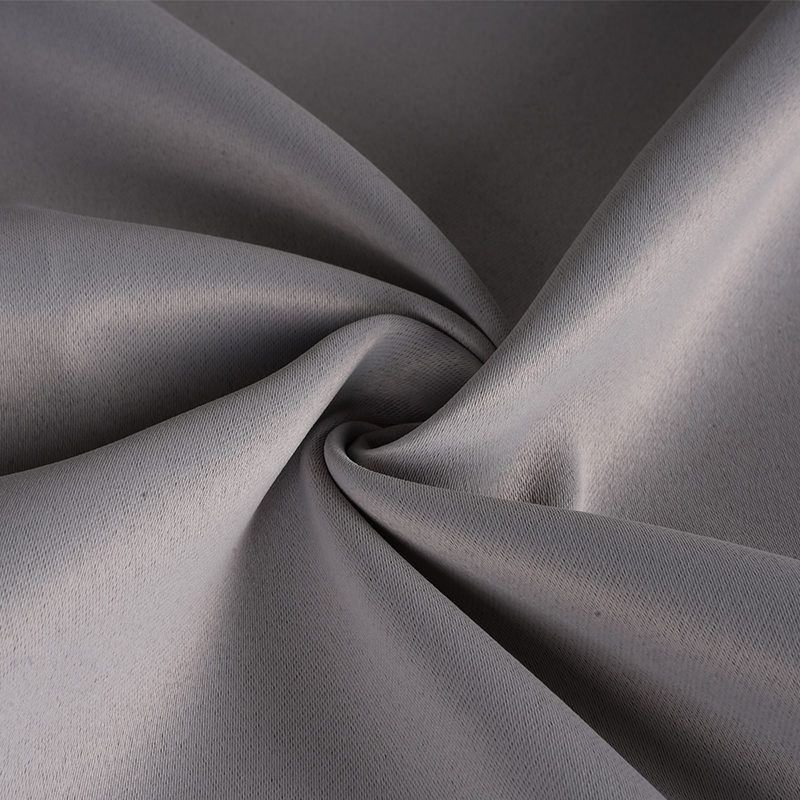
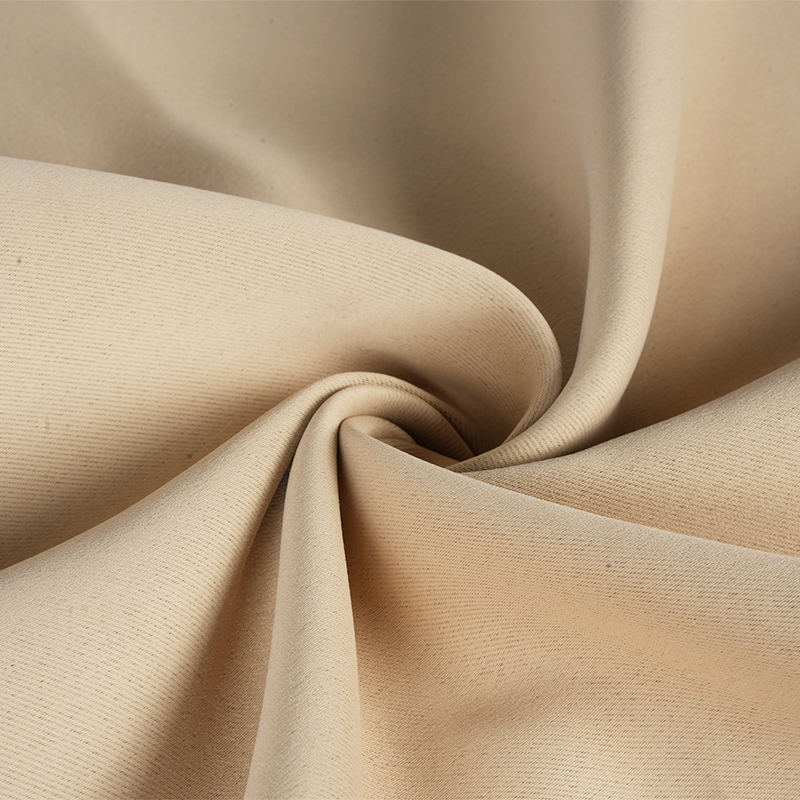
The most widely used blackout construction in the curtain industry. A base fabric — typically a polyester or polyester-cotton blend — receives three successive coatings on its reverse side: a first white or coloured layer, a middle black carbon layer, and a final white layer. The black carbon layer is what achieves full light blockage; the white outer layers protect it and improve the fabric's appearance from both sides. Three-pass coated fabric typically achieves 99.9–100% light blockage and is available in a wide range of face colours and textures. Weight ranges from 180 g/m² to 320 g/m² depending on the base fabric.
Woven Blackout Fabric
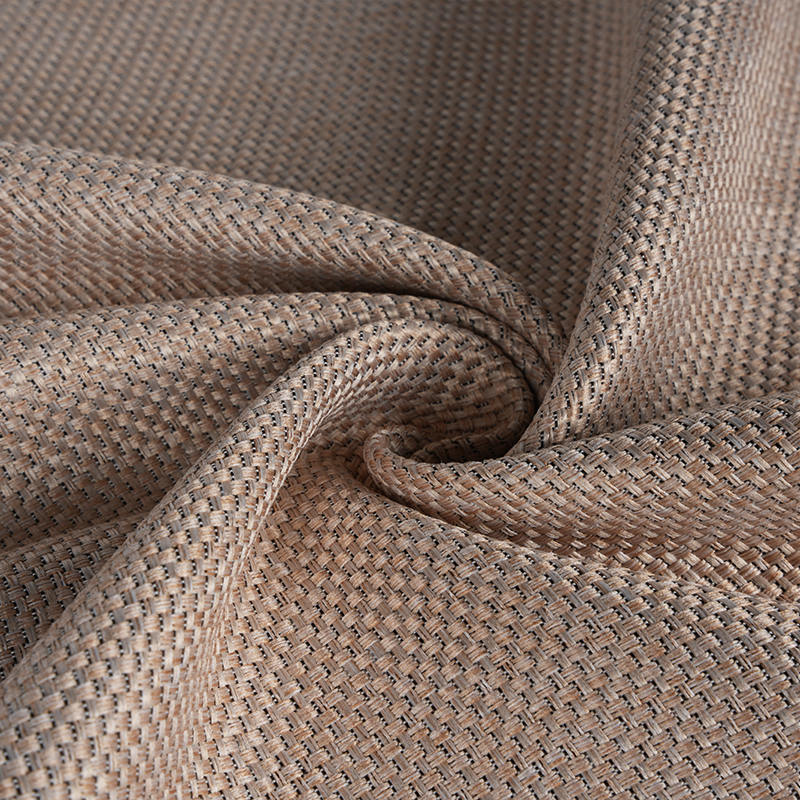
Achieves light blockage through an extremely dense weave structure rather than a coating. Common woven blackout constructions include tightly woven polyester, chenille, velvet, and jacquard fabrics with thread counts above 400. Woven blackout fabrics are more breathable and drapeable than coated alternatives and are preferred for high-end interior applications where fabric hand and appearance are paramount. True woven blackout without any coating typically achieves 95–99% light blockage; supplementary lining is often added to reach 100%.
Bonded or Laminated Blackout Fabric
A face fabric is bonded directly to a blackout liner using heat, adhesive, or ultrasonic welding. This construction combines the aesthetic freedom of any face fabric with a guaranteed blackout performance from the liner. Bonded blackout fabrics are common in contract and hospitality applications — hotel guest room curtains, for example — where a decorative fabric is required alongside reliable light blockage. Total weight is typically 350–600 g/m² due to the combined layers.
Thermal Blackout Fabric
Incorporates a metallic or aluminised foam interlayer that reflects radiant heat in addition to blocking light. Thermal blackout fabrics can reduce heat gain through a window by 24–33% in summer and reduce heat loss by a comparable amount in winter, according to ASTM testing data. These fabrics are heavier — typically 300–500 g/m² — and have a characteristic silver or pale reverse side from the reflective layer.
Blackout Lining Fabric
A standalone liner fabric designed to be sewn or attached to a separate decorative face curtain. Sold by the metre, blackout liners allow any existing curtain to be upgraded to blackout performance without replacing the face fabric. Standard blackout lining fabric is typically a plain white or ivory sateen-weave polyester with a three-pass back coating, at weights of 130–200 g/m².
Comparison of Blackout Fabric Types
| Fabric Type |
Light Blockage |
Typical Weight |
Best For |
Price Range (per metre) |
| Three-pass coated |
99.9–100% |
180–320 g/m² |
Bedrooms, nurseries, general use |
$8–$25 |
| Woven blackout |
95–99% |
250–450 g/m² |
Luxury interiors, living rooms |
$20–$80 |
| Bonded / laminated |
99.9–100% |
350–600 g/m² |
Hotels, contract, hospitality |
$25–$70 |
| Thermal blackout |
99.9–100% |
300–500 g/m² |
Energy efficiency, cold/hot climates |
$15–$45 |
| Blackout lining |
99–100% |
130–200 g/m² |
Upgrading existing curtains |
$5–$15 |
Comparison of the main blackout curtain fabric types by light-blocking performance, weight, application, and approximate retail price per metre.
Light-Blocking Levels: Understanding the Rating Scale
The curtain and blind industry uses a standardised light-blocking classification system — most commonly the ASTM D4272 test method or the European equivalent — to rate fabric opacity. Understanding these levels is essential for matching the fabric to the required outcome.
| Classification |
Light Blocked |
Room Effect |
Typical Use |
| Sheer / Light filtering |
0–30% |
Diffuses light, full daytime visibility |
Living rooms, privacy screening |
| Semi-opaque |
30–70% |
Reduces glare, silhouette visible |
Offices, dining rooms |
| Room darkening |
85–99% |
Significantly darkened; edges may glow |
Bedrooms, media rooms |
| Blackout |
99–100% |
Near or total darkness |
Bedrooms, nurseries, home theatre |
Standard light-blocking classification levels for curtain and blind fabrics, from sheer to full blackout.
Why 100% Blackout Is Harder to Achieve Than It Sounds
Even a fabric rated at 100% light blockage will allow light to enter a room through the gaps around the curtain — at the sides, top, and between panels. For a room to achieve true darkness, the curtain installation must address these gaps through one or more of the following methods:
- Wrap-around curtain tracks: Extending the track 15–20 cm beyond each side of the window and returning it to the wall eliminates side light bleed.
- Ceiling-to-floor mounting: Mounting the track at ceiling height and hanging curtains to the floor eliminates top and bottom light gaps.
- Curtain overlap: Centre-opening panels should overlap by at least 10–15 cm at the meeting point to prevent a central light gap.
- Blackout blinds in combination: Fitting a roller blackout blind behind the curtains eliminates residual gap light. This combination is the standard approach in hotel rooms and home theatres requiring complete darkness.
Benefits of Blackout Curtain Fabric
Improved Sleep Quality
Light is the primary environmental signal that regulates the human circadian rhythm. Even low levels of light exposure during sleep — as little as 10 lux — have been shown in sleep research to suppress melatonin production and fragment sleep architecture. Blackout curtains eliminate this stimulus, which is particularly valuable for shift workers sleeping during daylight hours, infants and toddlers whose sleep is easily disturbed, and anyone in a high-ambient-light urban environment.
Thermal Insulation and Energy Savings
The dense construction and optional thermal coating of blackout fabrics adds a significant insulating layer at the window — typically the weakest thermal point in a room. Studies by the US Department of Energy indicate that well-fitted, heavy curtains can reduce heat loss through windows by up to 25% in winter. In summer, closing blackout curtains on sun-facing windows reduces solar heat gain, lowering cooling loads and air-conditioning costs.
Noise Reduction
The mass and density of blackout curtain fabric provides modest acoustic attenuation. Heavyweight bonded or thermal blackout curtains can reduce external noise transmission by 7–12 dB — enough to take the edge off traffic, neighbour, or urban noise in rooms adjacent to busy streets. While not a substitute for acoustic glazing, blackout curtains represent a low-cost, easily reversible noise mitigation measure.
UV Protection for Furnishings
UV radiation causes fading of upholstery, flooring, artwork, and woodwork. Blackout curtain fabric, by blocking visible and near-UV light, effectively eliminates UV-related fading in rooms where curtains are drawn during peak sunlight hours. This is of particular value in rooms with expensive rugs, artwork, or period furniture.
Home Theatre and Media Room Performance
Ambient light is the primary enemy of projected image quality. A projector producing 2,000 ANSI lumens in a room with 50 lux of ambient light will deliver a washed-out image with poor contrast. Blackout curtains eliminate this ambient light, allowing the full contrast ratio and colour accuracy of the projector or screen to be realised.
Privacy
By blocking 100% of light transmission in both directions, blackout fabric provides complete privacy — not only preventing passers-by from seeing into a room, but also preventing interior lighting from being visible outside at night, which is valuable for ground-floor rooms and security considerations.
Blackout Fabric vs. Room-Darkening Fabric: Key Differences
The terms "blackout" and "room darkening" are frequently used interchangeably by retailers, but they describe meaningfully different levels of performance. Understanding the distinction prevents disappointment after purchase.
| Feature |
Blackout Fabric |
Room-Darkening Fabric |
| Light blockage |
99–100% |
85–99% |
| Room effect at midday |
Near or complete darkness |
Noticeably dim; shapes still visible |
| Fabric weight |
Heavier (180–600 g/m²) |
Lighter (100–250 g/m²) |
| Drape and hand |
Stiffer; requires heavier track |
Softer; standard tracks adequate |
| Thermal performance |
Better |
Moderate |
| Price premium |
15–40% higher |
Baseline |
| Best for |
Shift workers, infants, home theatre |
General bedrooms, offices |
Side-by-side comparison of blackout and room-darkening curtain fabrics across key performance and practical criteria.
Common Fibre Types Used in Blackout Curtain Fabric
Polyester
The dominant fibre in blackout curtain fabric, used in both the base fabric of coated products and in woven constructions. Polyester is dimensionally stable (it does not shrink when washed), accepts coatings well, resists mould and mildew, and is available in a very wide range of weights and textures. Most blackout curtains sold at retail are 100% polyester or a polyester-rich blend for these reasons.
Cotton and Cotton Blends
Cotton provides a softer hand and more natural aesthetic than polyester. Pure cotton blackout fabrics are less common due to cotton's tendency to shrink and its lower dimensional stability, but cotton-polyester blends (typically 50/50 or 65% polyester / 35% cotton) combine a cotton-like feel with polyester's stability. Cotton-rich blackout fabrics are preferred for nurseries and children's rooms where a softer, more natural product is valued.
Velvet and Chenille
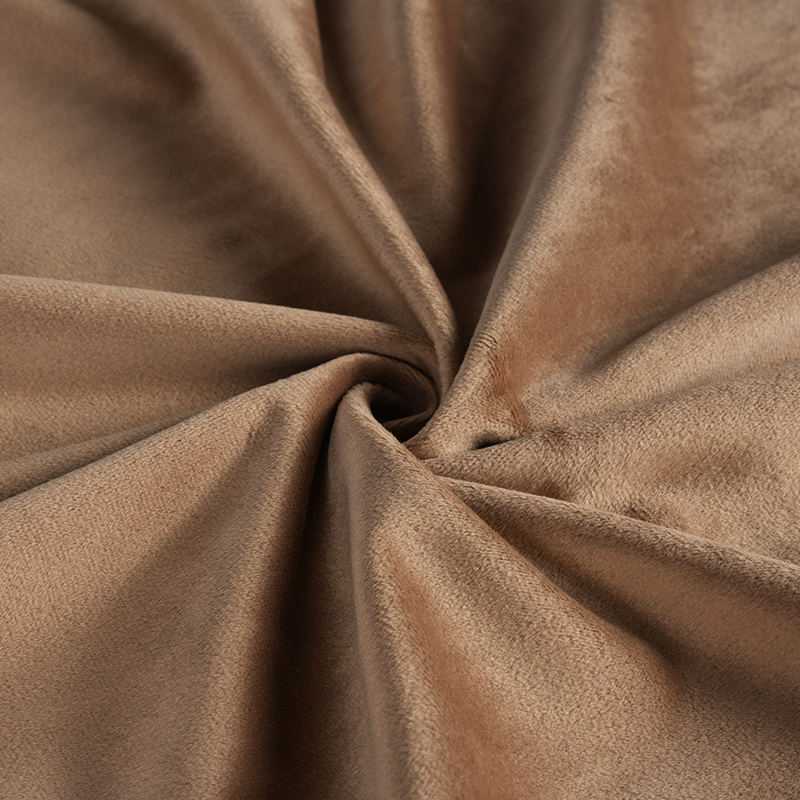
Heavy pile fabrics that achieve significant light blockage through their dense, looped or cut-pile construction. A heavyweight velvet at 400–600 g/m² can achieve 95–99% light blockage without any coating. Velvet and chenille blackout curtains are popular in formal living rooms and master bedrooms where a luxurious aesthetic is desired alongside light control. They are among the most effective fabrics for noise reduction due to their high mass and pile depth.
Linen and Linen Blends
Natural linen is inherently semi-transparent and requires a blackout lining or coating to achieve useful light blockage. Linen-faced blackout curtains — a linen face fabric bonded to or sewn with a blackout liner — are popular in Scandinavian and coastal interior styles. The linen face maintains its natural, textured aesthetic while the liner delivers the performance. Linen-faced bonded blackout fabric is one of the fastest-growing categories in premium curtain fabric.
Care and Maintenance of Blackout Curtain Fabric
Coated blackout fabrics require more careful handling than standard curtain fabrics to preserve the integrity of the light-blocking layer.
- Machine washing: Most three-pass coated blackout fabrics can be machine washed on a cold or warm cycle (30°C maximum) using a gentle detergent. Hot water and vigorous agitation can cause the coating to delaminate or crack. Always check the care label first.
- Drying: Line dry or tumble dry on a very low heat setting. High heat causes the foam or acrylic coating to bubble and peel. Do not wring coated fabrics.
- Ironing: Iron on the face side only at a low temperature (polyester setting). Never iron the coated reverse side — the coating will melt and adhere to the iron.
- Dry cleaning: Many heavyweight bonded and velvet blackout curtains are dry-clean only. Confirm this before purchasing if ease of home care is a priority.
- Regular vacuuming: Dust blackout curtains weekly using a soft brush attachment on low suction. This extends the interval between full washes and prevents dust from embedding in the coating layer.
With proper care, a quality three-pass coated blackout fabric will maintain its light-blocking performance for 5–10 years before the coating begins to show signs of deterioration. Woven blackout and bonded constructions typically last 10–15 years or more.
Buying Guide: How to Choose the Right Blackout Curtain Fabric
1. Confirm the Stated Light-Blocking Level Is Independently Tested
Many fabrics are marketed as "blackout" but tested to room-darkening standards. Look for products that state a specific tested percentage (e.g., "99.9% light blockage per ASTM D4272") or carry a recognised certification. The British Standard BS EN 13120 and the GREENGUARD Gold certification for low chemical emissions are reliable quality indicators for the European and North American markets respectively.
2. Match the Fabric Weight to the Curtain Track or Rod
Heavier blackout fabrics — particularly bonded and thermal constructions at 400–600 g/m² — require a heavy-duty curtain track or rod rated for the calculated curtain weight. A standard decorative rod rated for 3–5 kg will be inadequate for floor-to-ceiling blackout curtains in a wide window. Calculate the total fabric weight (g/m² × fabric area in m²) and select hardware rated for at least 1.5× that weight as a safety margin.
3. Consider the Room's Aesthetic Requirements
For rooms where appearance is as important as performance — living rooms, master bedrooms, dining rooms — choose a woven blackout or linen-faced bonded fabric that provides the desired aesthetic on the face side. For purely functional applications — nurseries, home theatres, rental properties — a standard three-pass coated polyester offers the best performance-per-dollar.
4. Account for the Full Width Required
Blackout curtains must be wider than the window to be effective. As a minimum, each curtain panel should extend 15–20 cm beyond the window frame on the side it covers, and panels should overlap by at least 10–15 cm at the centre. For a 150 cm wide window with two panels, each panel should be at least 90–100 cm wide before heading fullness is applied. Most blackout fabrics are manufactured in standard widths of 137 cm, 150 cm, or 280 cm — the wider widths being particularly useful for large windows that would otherwise require fabric joins.
5. Check for Formaldehyde and VOC Content
The coatings and adhesives used in some blackout fabrics — particularly low-cost imports — can contain formaldehyde or other volatile organic compounds (VOCs) that off-gas into the room. For bedrooms and nurseries, specify fabrics certified to OEKO-TEX Standard 100 or GREENGUARD Gold, which test for and limit harmful chemical emissions. This is particularly important for infants' rooms where occupants spend extended periods in close proximity to the fabric.
6. Questions to Ask Before Buying
- What is the independently tested light-blockage percentage, and to which standard?
- Is the fabric OEKO-TEX Standard 100 or GREENGUARD Gold certified?
- What is the fabric weight in g/m², and what curtain track or rod load rating is required?
- Can the fabric be machine washed, and at what temperature?
- Is a fabric sample available to assess colour accuracy, hand, and coating quality before ordering by the metre?
Common Mistakes to Avoid
- Confusing "room darkening" with "blackout": Retailers frequently use these terms interchangeably. Always look for a tested percentage figure — if the listing says "blocks most light" or "significantly reduces light" without a specific figure, it is unlikely to be true blackout.
- Buying narrow panels for wide windows: A common mistake is purchasing panels that are only as wide as the window recess. For effective light blockage, panels must extend well beyond the window on all sides.
- Choosing dark colours believing they block more light: Light-blocking performance in coated blackout fabric is determined by the coating, not the face colour. A white three-pass coated fabric blocks exactly as much light as a dark navy one with the same coating specification.
- Neglecting the coating when ironing: Ironing the coated reverse side of a blackout fabric — even at a low temperature — causes the coating to melt, stick to the iron, and permanently damage the fabric's light-blocking properties.
- Underspecifying the curtain track: Heavy blackout curtains on undersized tracks or rods will cause the hardware to sag, buckle, or pull from the wall — creating both a light gap and a safety hazard.
- Overlooking heading fullness: Blackout curtains hung flat (1:1 ratio) rather than with fullness (1.5:1 or 2:1 ratio) look flat and cheap and also create vertical light channels between pleats. Allow for a fullness ratio of at least 1.5× the track width for an effective and attractive result.
Final Verdict: Is Blackout Curtain Fabric Worth It?
For any room where light control is a genuine priority — a bedroom shared by adults on different schedules, a nursery where a baby needs daytime naps, a home theatre, or any room in a high-ambient-light environment — blackout curtain fabric delivers a measurable, immediate improvement in sleep quality, comfort, and energy efficiency that standard curtains simply cannot match.
The most important purchase decisions are confirming an independently tested light-blockage rating (not a marketing claim), choosing the right construction type for the aesthetic and durability required, and ensuring the curtain installation — width, height, and overlap — is designed to eliminate gap light as well as fabric light transmission. Get these three elements right, and a quality blackout curtain fabric will transform a room's light environment for a decade or more with minimal maintenance.

 English
 Español
 عربى
عربى

 Leave a message
