In cold climates, choosing the right curtain fabric is not just a matter of aesthetics—it directly affects indoor warmth, energy efficiency, comfort, and overall living quality. Flannel curtain fabric has become a popular choice in regions with long winters or low temperatures due to its soft texture, excellent insulation properties, and cozy appearance.
1. Superior Thermal Insulation and Heat Retention
One of the most significant benefits of flannel curtain fabric is its excellent thermal insulation.
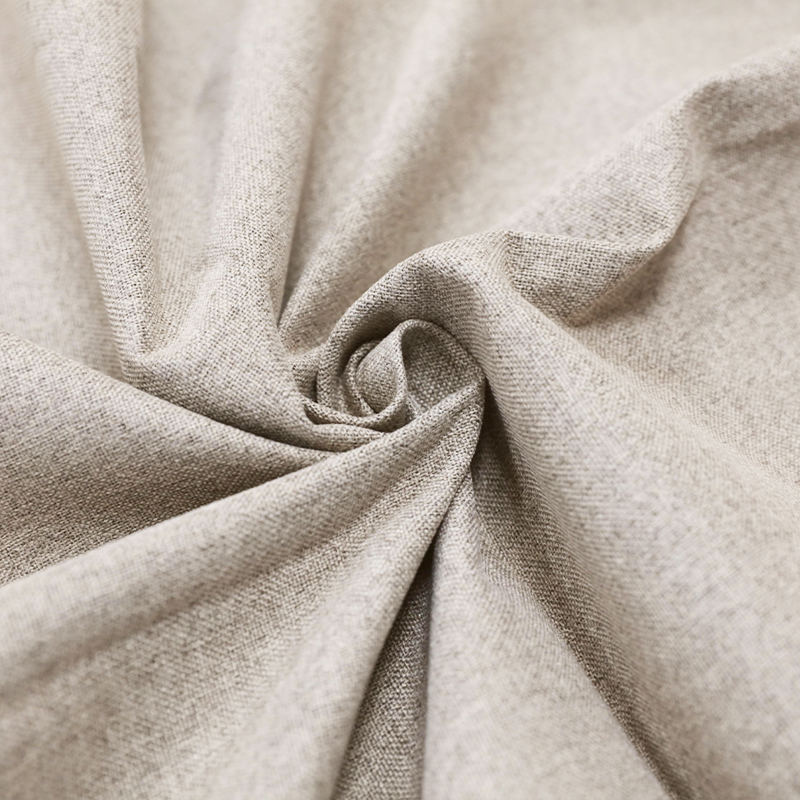
Flannel is typically made from brushed cotton, wool blends, or polyester fibers. The brushing process raises fine fibers on the surface, creating a soft, fuzzy layer that traps air. This trapped air acts as a natural insulating barrier between the window and the room interior.
Key insulation advantages include:
- Reducing heat loss through windows
- Blocking cold drafts from entering indoor spaces
- Helping maintain stable indoor temperatures
In cold climates, this insulation effect can noticeably improve indoor comfort during winter months.
2. Improved Energy Efficiency and Lower Heating Costs
Windows are one of the largest sources of heat loss in cold-weather homes. Installing flannel curtain fabric helps create an additional thermal layer that reduces the workload on heating systems.
Benefits for energy efficiency:
- Less heat escapes through glass surfaces
- Heating systems run less frequently
- Reduced energy consumption and utility bills
For homeowners and commercial buildings alike, flannel curtain fabric offers a cost-effective way to enhance energy efficiency without major renovations.
3. Enhanced Light Blocking and Draft Protection
Flannel curtain fabric is generally thicker and denser than many lightweight curtain materials. This density contributes to both light control and draft prevention.
Key advantages include:
- Better blocking of cold air seeping through window gaps
- Reduced light penetration during early mornings or short winter days
- Increased privacy in long nighttime hours common in cold regions
When combined with proper curtain lining or blackout backing, flannel curtains can offer excellent room-darkening performance.
4. Increased Comfort and Cozy Atmosphere
In colder climates, interior design often focuses on creating a warm and inviting environment. Flannel curtain fabric naturally supports this goal.
Why flannel feels warmer:
- Soft, plush surface adds tactile comfort
- Visually warm appearance complements winter décor
- Reduces the “cold” feel associated with large window areas
Flannel curtains are particularly popular in bedrooms, living rooms, and cabins, where comfort and warmth are priorities.
5. Noise Reduction in Harsh Weather Conditions
Cold climates often experience strong winds, snowstorms, and harsh outdoor conditions. The thicker structure of flannel curtain fabric can help absorb sound and reduce noise transmission.
Noise-related benefits include:
- Damping outdoor wind and traffic noise
- Improving indoor acoustics
- Creating a quieter, more restful indoor environment
While not a replacement for soundproofing, flannel curtains offer noticeable acoustic comfort improvements.
6. Durability and Long-Term Winter Performance
Flannel curtain fabric is designed for repeated seasonal use. High-quality flannel materials maintain their softness and insulating properties even after multiple wash cycles.
Durability advantages include:
- Resistance to wear in cold, dry environments
- Long-lasting fabric structure
- Suitable for heavy, full-length curtain designs
This durability makes flannel a practical long-term investment for households in cold regions.
7. Versatility in Design and Styling
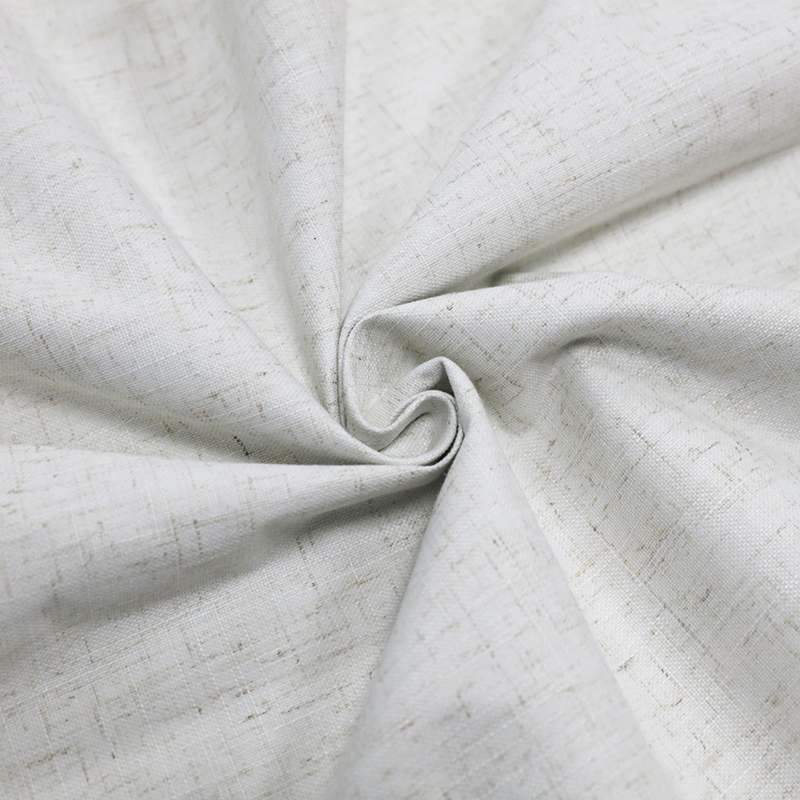
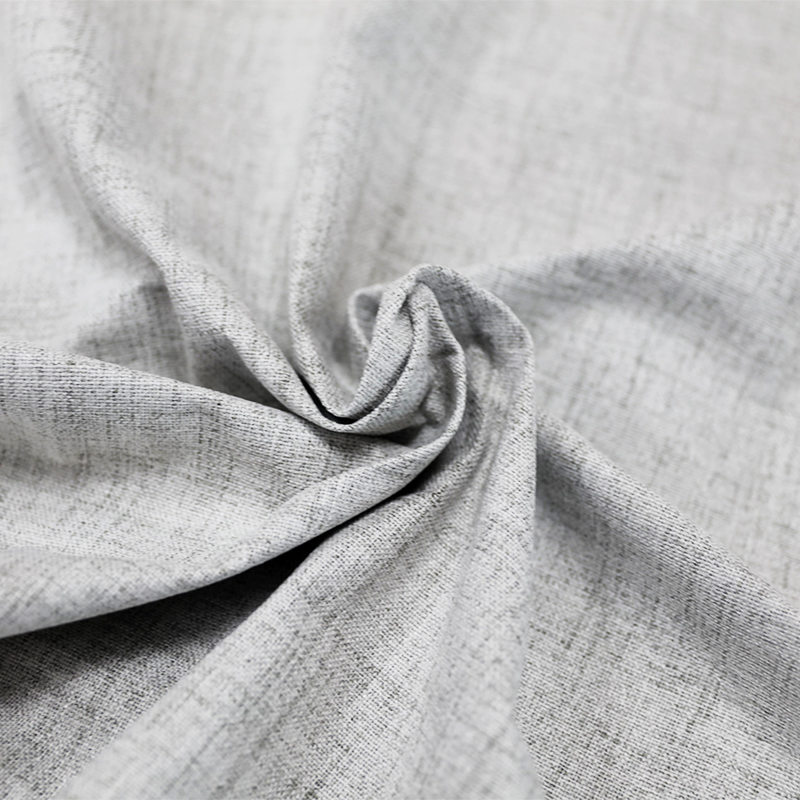
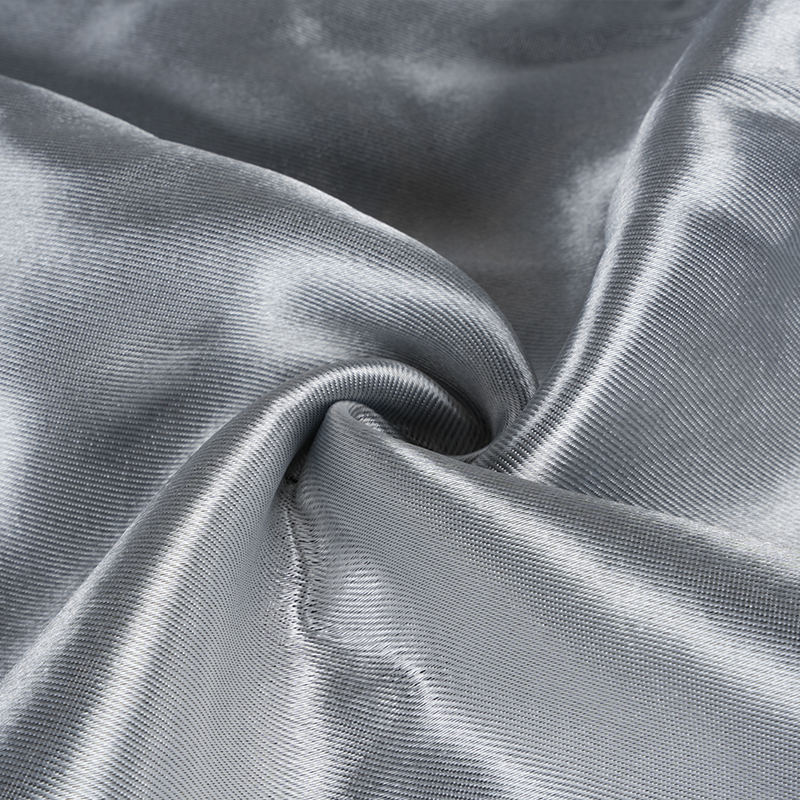
Despite its thickness, flannel curtain fabric is available in a wide range of:
- Colors
- Patterns
- Weights and fiber blends
This versatility allows homeowners and designers to combine functional winter performance with attractive interior design, making flannel suitable for both traditional and modern spaces.
| Benefit |
Advantage in Cold Climates |
| Thermal insulation |
Reduces heat loss and drafts |
| Energy efficiency |
Lowers heating costs |
| Light blocking |
Improves sleep and privacy |
| Comfort |
Creates warm, cozy interiors |
| Noise reduction |
Minimizes wind and outdoor noise |
| Durability |
Reliable for long-term winter use |
FAQ: Flannel Curtain Fabric in Cold Climates
Q1: Are flannel curtains better than thermal curtains?
Flannel curtains provide natural insulation, while thermal curtains often include additional linings. Combined, they offer maximum warmth.
Q2: Can flannel curtain fabric be used year-round?
Yes, though it is especially beneficial in autumn and winter due to its insulating properties.
Q3: Does flannel curtain fabric block sunlight completely?
On its own, it reduces light significantly; with a blackout lining, it can block nearly all light.
Q4: Is flannel curtain fabric easy to maintain?
Most flannel curtains are machine washable, but care instructions depend on fiber composition.

 English
 Español
 عربى
عربى

 Leave a message
