Understanding Gauze Curtain Fabric
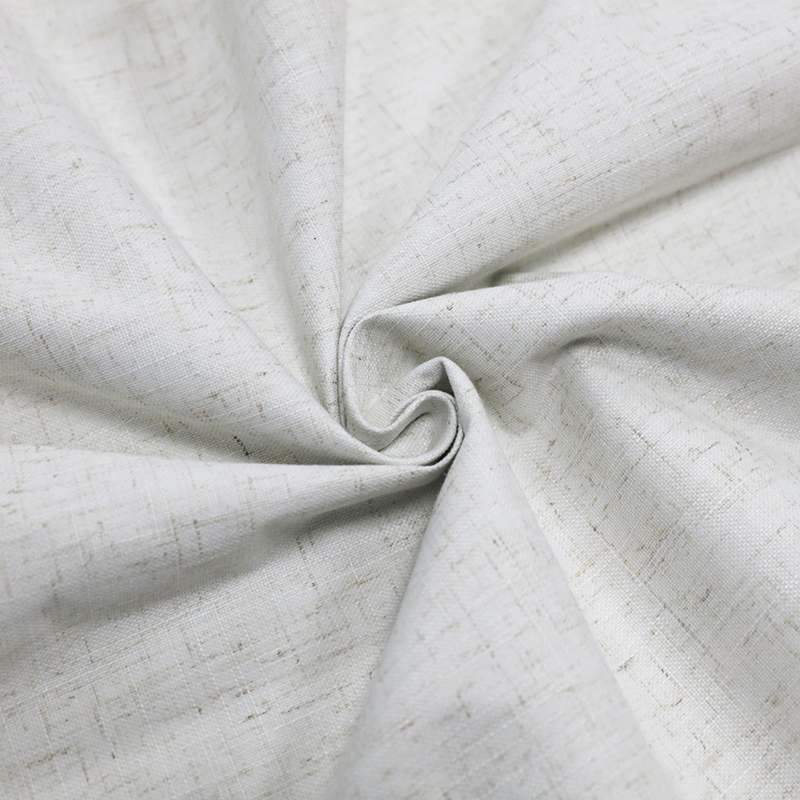
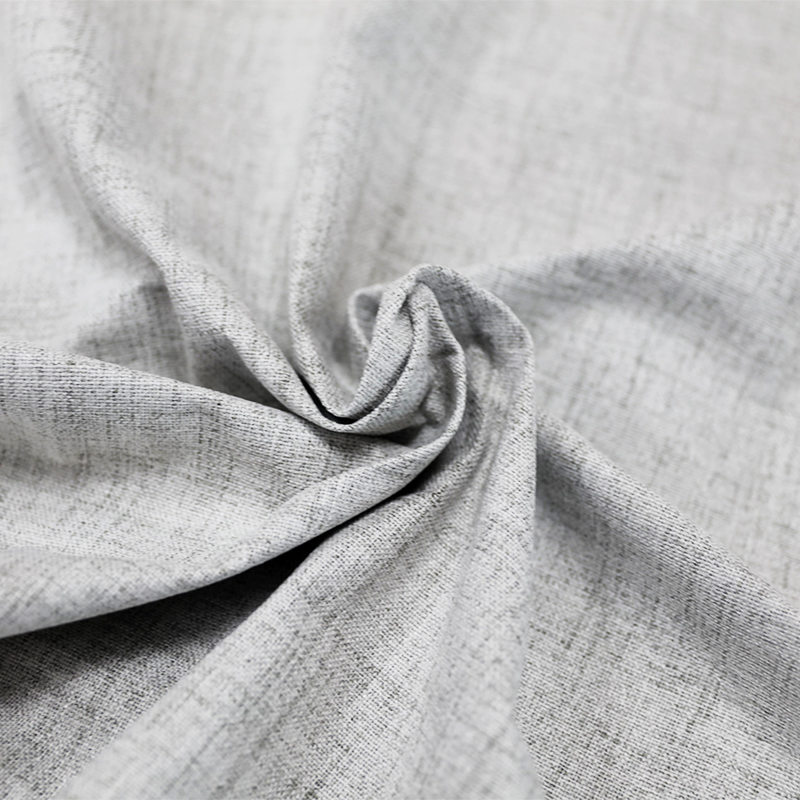
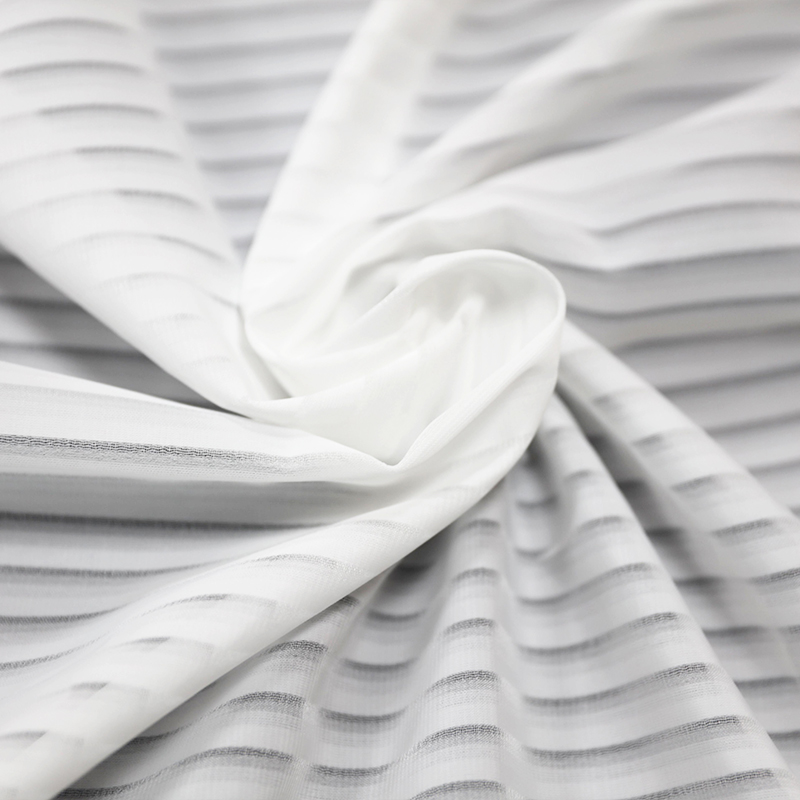
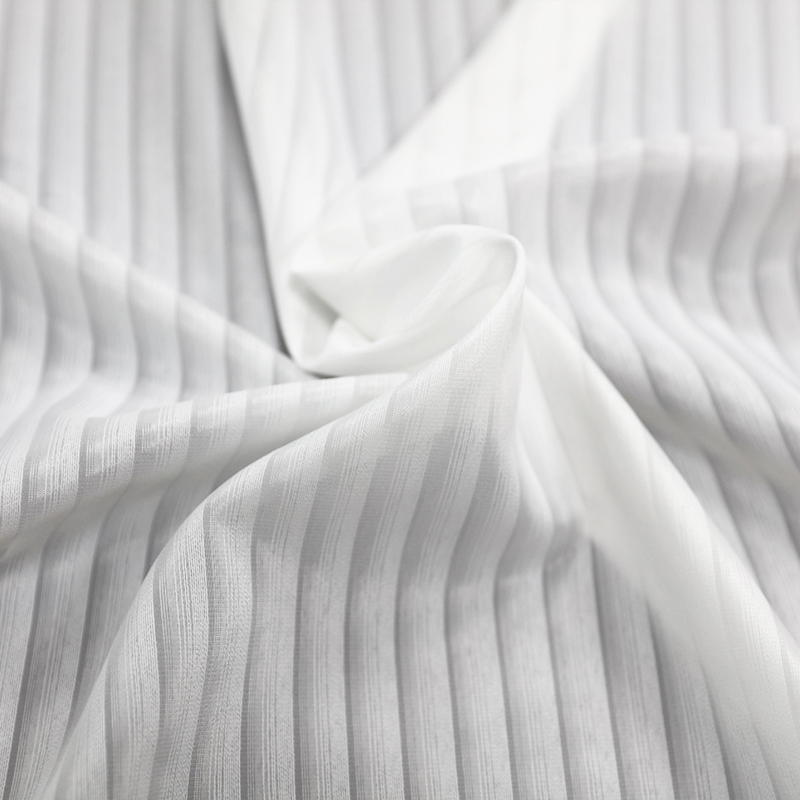
Gauze curtain fabric is a lightweight, semi-transparent material widely favored in modern interior design for its ability to blend aesthetics with functionality. Unlike heavy fabrics like velvet or blackout curtains, gauze offers a soft, airy texture that allows sunlight to pass through while still providing a degree of privacy. The openness of the weave permits light to enter the room without harsh glare, creating a warm, inviting atmosphere. Many designers prefer gauze curtains for living rooms, bedrooms, and even dining areas because they enhance a sense of spaciousness and lightness in the space. Additionally, the sheer nature of gauze makes it versatile enough to pair with other window treatments, giving homeowners control over both light and privacy.
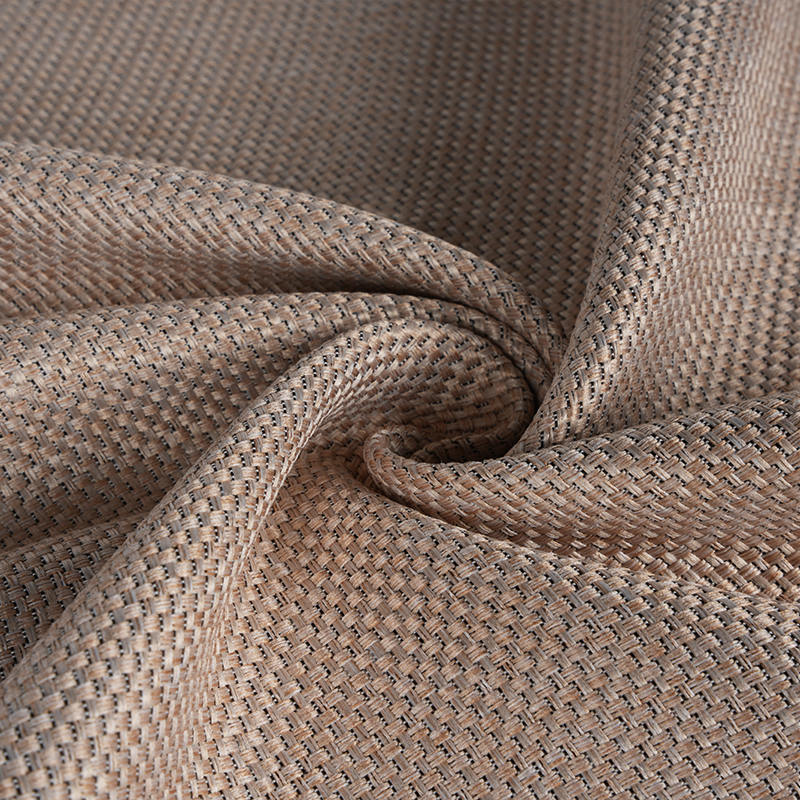
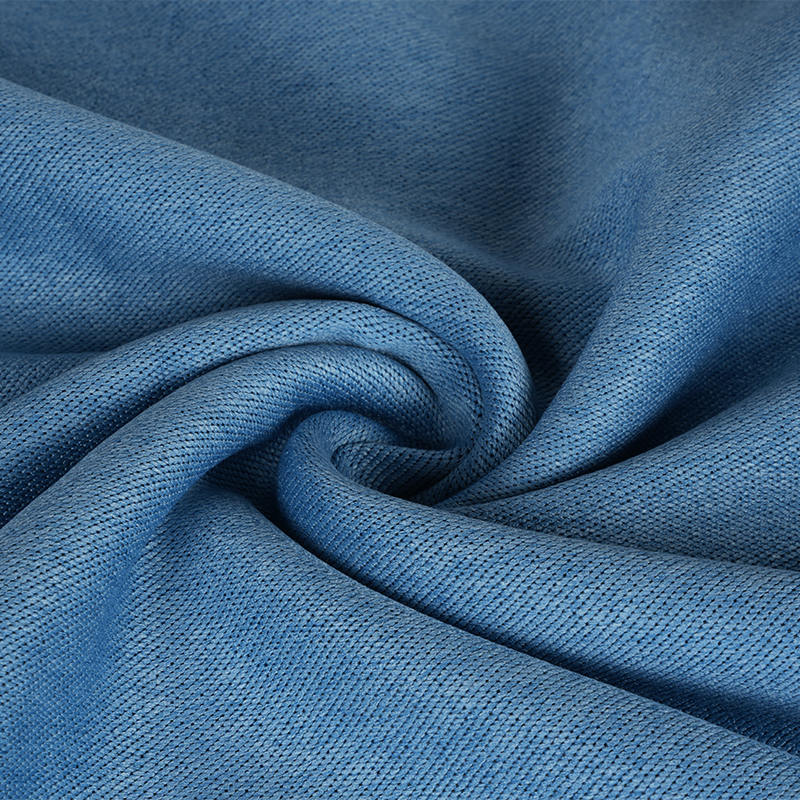
One of the core benefits of gauze curtain fabric is its ability to diffuse natural sunlight. Instead of letting direct sun rays create sharp shadows, gauze fabric softens the light, producing a gentle glow that illuminates the room evenly. This diffused lighting is not only visually pleasing but also reduces eye strain and improves comfort for reading, working, or relaxing indoors. In addition, gauze fabrics are available in various colors and weaves, allowing users to adjust light intensity and the overall ambiance according to their needs.
How Gauze Curtains Enhance Natural Lighting
Gauze curtains enhance natural lighting by allowing sunlight to filter through a semi-transparent layer. This layer diffuses the incoming light and spreads it evenly throughout the room. Unlike thicker curtains that block light completely, gauze allows enough illumination to brighten spaces naturally, reducing the need for artificial lighting during the day. The material’s texture also minimizes glare, which is especially useful for rooms with large windows or spaces that receive intense sunlight.
By selecting the right gauze curtain color and weave, homeowners can control the quality and quantity of light. Light-colored fabrics reflect more sunlight, enhancing brightness, while slightly denser weaves offer a softer, muted glow. This adaptability makes gauze curtains suitable for various spaces, from cozy bedrooms to spacious living rooms. Furthermore, the transparency allows for visual connectivity with the outdoors, letting homeowners enjoy natural views while maintaining a degree of indoor privacy.
Comparison of Gauze Fabric and Other Curtain Materials
| Curtain Material |
Light Transmission |
Privacy Level |
Ideal Use Case |
| Gauze Fabric |
High (semi-transparent) |
Moderate |
Living rooms, bedrooms, study rooms |
| Cotton/Polyester |
Low to Medium |
High |
Bedrooms, media rooms |
| Velvet |
Very Low |
Very High |
Theaters, luxury bedrooms |
| Linen |
Medium |
Medium |
Dining rooms, kitchens |
As shown in the table above, gauze fabric uniquely balances natural light and privacy. While cotton and velvet may block too much light, gauze allows sufficient sunlight to illuminate a room while maintaining a soft barrier. Linen, though semi-translucent, often does not diffuse light as evenly as gauze, making gauze curtains a preferred choice for homeowners seeking a bright, airy environment without sacrificing privacy.
Practical Tips for Maximizing Natural Light with Gauze Curtains
To fully utilize the benefits of gauze curtains, consider layering them with heavier drapes. This allows flexibility—keeping gauze curtains drawn during the day to enjoy filtered sunlight while closing heavier curtains at night for full privacy. Choosing the right color is also essential; lighter shades reflect sunlight more efficiently, creating brighter indoor spaces. Window placement matters too: east- and south-facing windows receive more daylight, making gauze curtains particularly effective in such locations. Regular maintenance ensures the fabric remains soft and translucent, as dust and dirt can reduce its light-diffusing properties over time. By applying these strategies, gauze curtains can dramatically enhance the natural lighting and overall ambiance of a room.
FAQ
Q1: Can gauze curtains completely replace blinds or shades?
A1: Gauze curtains are ideal for diffusing light but usually do not provide full blackout. For bedrooms or media rooms, pairing them with blinds or blackout curtains is recommended.
Q2: Are gauze curtains suitable for humid areas like kitchens or bathrooms?
A2: Yes, but ensure the fabric is treated to resist moisture and mildew. Regular washing will also help maintain transparency and prevent fabric damage.
Q3: How often should gauze curtains be cleaned?
A3: Depending on dust exposure, washing every 2–3 months keeps the fabric soft, semi-transparent, and effective at diffusing sunlight.
Q4: Can gauze curtains affect energy efficiency in a room?
A4: While they do not block heat like heavy curtains, gauze curtains reduce glare and soften sunlight, which can slightly lower indoor heat buildup during peak sun hours.
References
- Smith, J. (2022). Interior Lighting Design: Maximizing Natural Light. New York: Home Design Press.
- Lee, H. (2021). Curtains and Drapes: Materials and Applications. London: Design House Publishing.
- Wang, L. (2020). “Light Diffusion Properties of Sheer Fabrics.” Journal of Textile Science, 45(3), 123-135.

 English
 Español
 عربى
عربى

 Leave a message
