Curtains are the largest vertical surface in most rooms, and in a fire they are also one of the fastest routes for flame to travel upward. That is why a flame retardant spray for curtains has become such a common request — from hotel refurbishment teams, from theatre and school specifiers, and from homeowners who simply want a little more margin of safety in a bedroom.
We are a curtain fabric mill, not a chemical formulator, so we approach this topic from the textile side: what a treatment does to a fabric, where it belongs in the production chain, and where it quietly fails. What follows is the practical version we share with buyers every week.
What a Flame Retardant Spray for Curtains Actually Does
A topical treatment does not make fabric fireproof. Nothing applied to a textile makes it non-combustible. What a good treatment does is change how the fabric behaves in the first two or three minutes of a fire — and those minutes are usually what the standard is really measuring.
How the chemistry works
- Char promotion. Ammonium polyphosphate and similar salts push the cellulose to form a carbonaceous char layer instead of volatile fuel.
- Gas dilution. Borax–boric acid systems release water vapour and inert gases as they heat, starving the flame front of oxygen.
- Cooling. Endothermic decomposition absorbs heat from the surrounding fabric.
- Intumescence. Some coatings swell into an insulating foam when exposed to flame, protecting the fibres underneath.
What it cannot do
- Stop a polyester curtain from melting and dripping.
- Survive dozens of hot washes without re-treatment.
- Penetrate a foam or acrylic blackout back-coating.
- Replace an inherent property that should have been built in at the fibre stage.
- Turn an unrated fabric into a certified product without a test report.
Standards and Labels Worth Recognising Before You Buy
The single most common mistake we see is a buyer choosing a spray first and asking about the standard afterwards. Work the other way round: find out which test the building inspector, insurer or client actually accepts, then choose a treatment that has been tested to it. The table below covers the ones that appear most often in curtain specifications.
Table: the flame-retardancy standards most frequently written into curtain specifications, and what each one asks of the fabric.
| Standard |
Where it is used |
What it evaluates |
Notes for curtains |
| NFPA 701 |
United States |
Vertical flame spread, afterflame and weight loss |
Two test methods; the heavier method includes a laundering or dry-cleaning step before testing |
| California Title 19 |
US public occupancy |
Small-scale ignition resistance |
Often cited alongside NFPA 701 in commercial interiors |
| EN 13773 |
Europe |
Burning behaviour of curtains, classes 1 to 5 |
Class 5 is the usual target for contract drapery |
| BS 5867-2 |
United Kingdom |
Flammability of fabrics for curtains, Types A, B and C |
Each type adds a laundering cycle to the test sequence |
| IMO FTP Code Part 7 |
Marine and offshore |
Fire test procedures for draperies |
Strictest of the group; re-treatment at sea is impractical |
| AS/NZS 1530.2 |
Australia and New Zealand |
Flammability of textiles in vertical orientation |
Frequently requested with a durability clause |
| GB 8624 B1 |
China |
Building material combustion grading |
B1 is the grade most public projects ask for |
Which Curtain Fabrics Accept a Spray, and Which Resist It
Absorbency decides almost everything. A treatment has to sit inside the fibre bundle to work; if it beads on the surface, you have built a fragile film rather than a treated fabric. These are the six groups we deal with most.
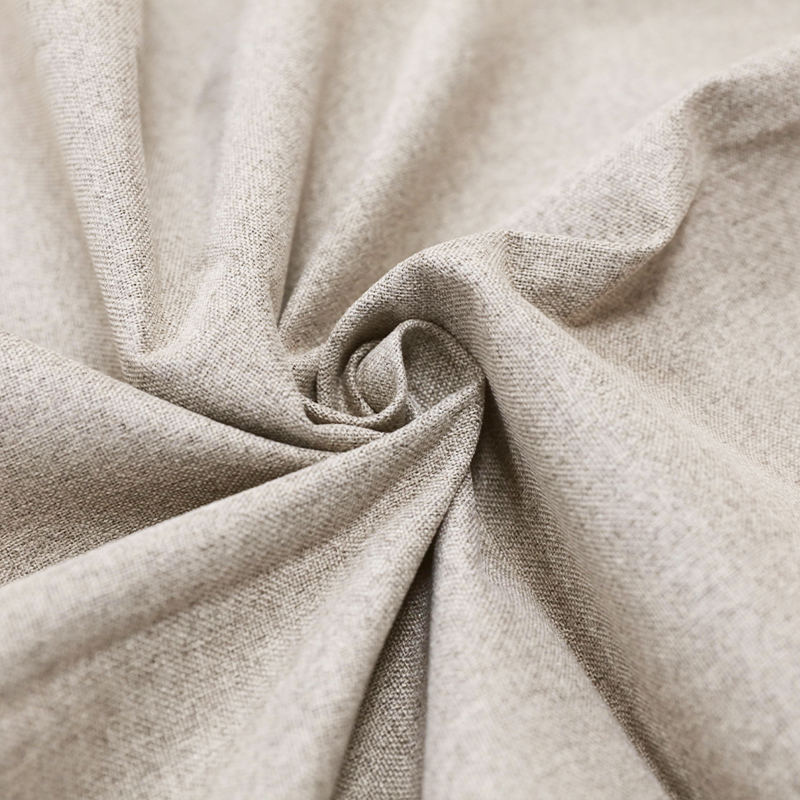
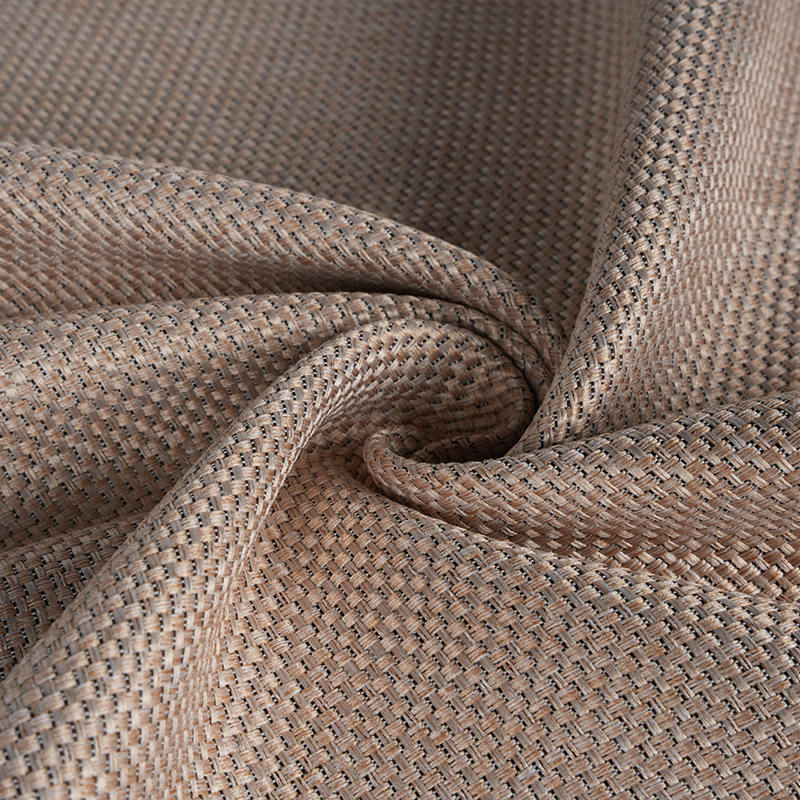
Cotton and linen
The best-behaved substrates. They drink the treatment evenly and produce a genuine char. A well-applied ammonium-salt spray on a cotton print can pass NFPA 701 as received.
Polyester and blends
Thermoplastic fibres shrink and drip. A spray limits flame spread but does not remove the melt-and-drip behaviour that many standards penalise.
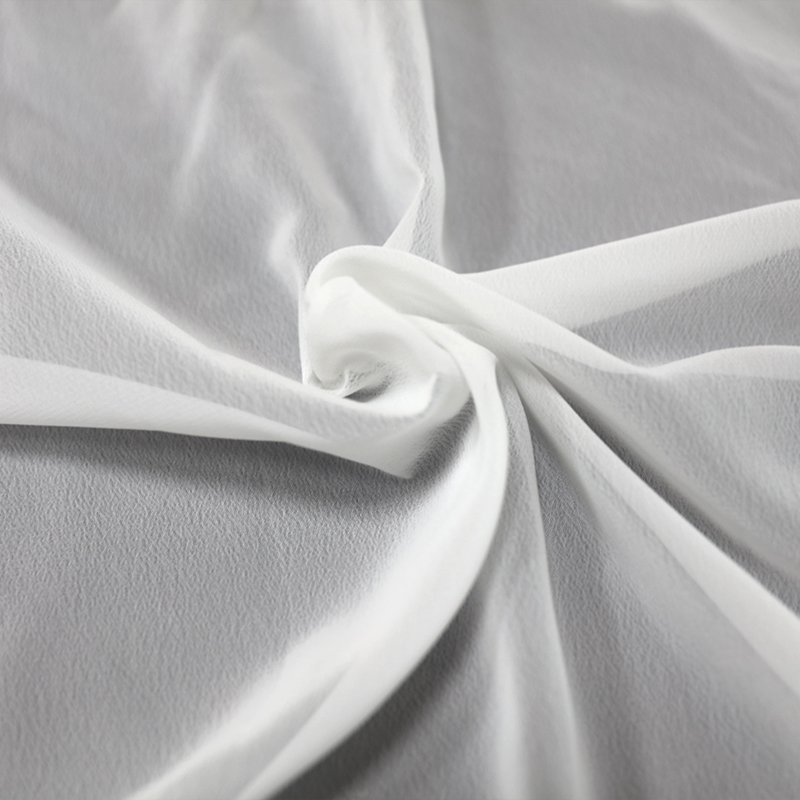
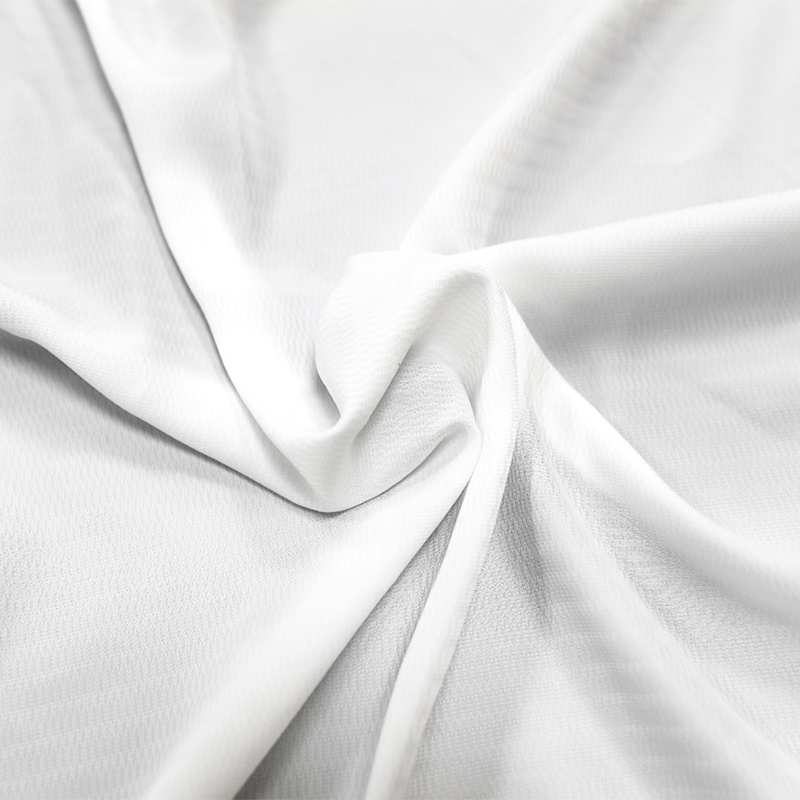
Sheer voile
Very low mass, very high surface area. Take-up is small and the hand stiffens quickly, so fine misting and a light add-on are essential.
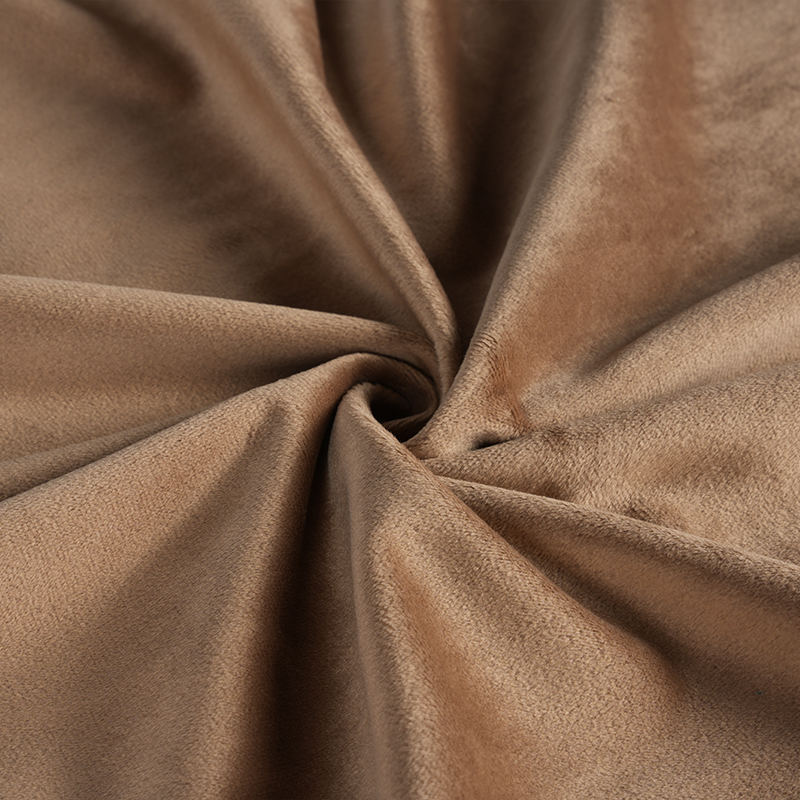
Velvet and flannel
Dense pile traps liquid unevenly. Spraying tends to treat the surface and miss the ground cloth, which is exactly where the flame travels.
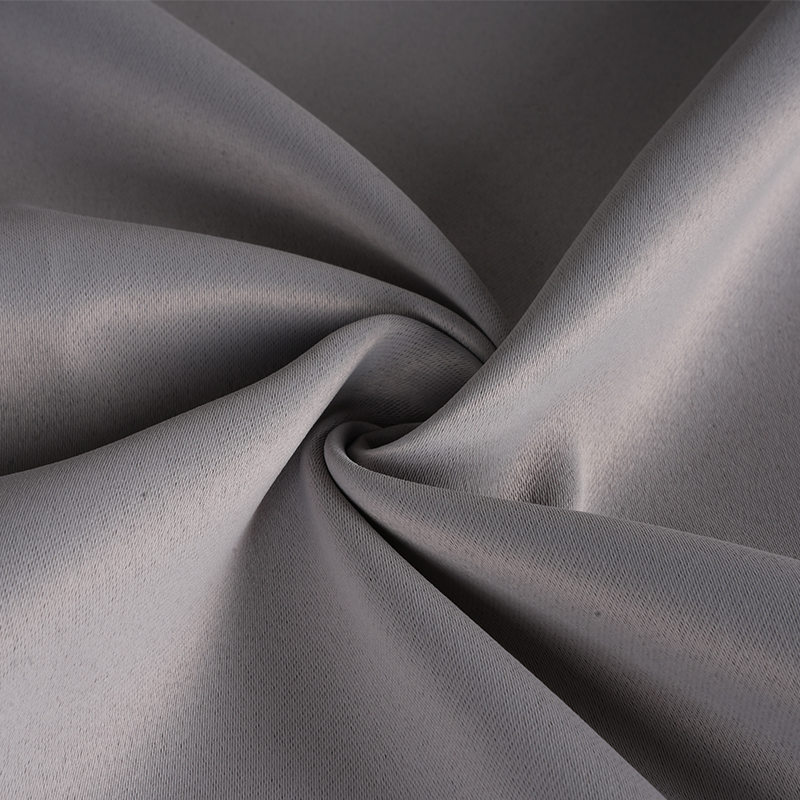
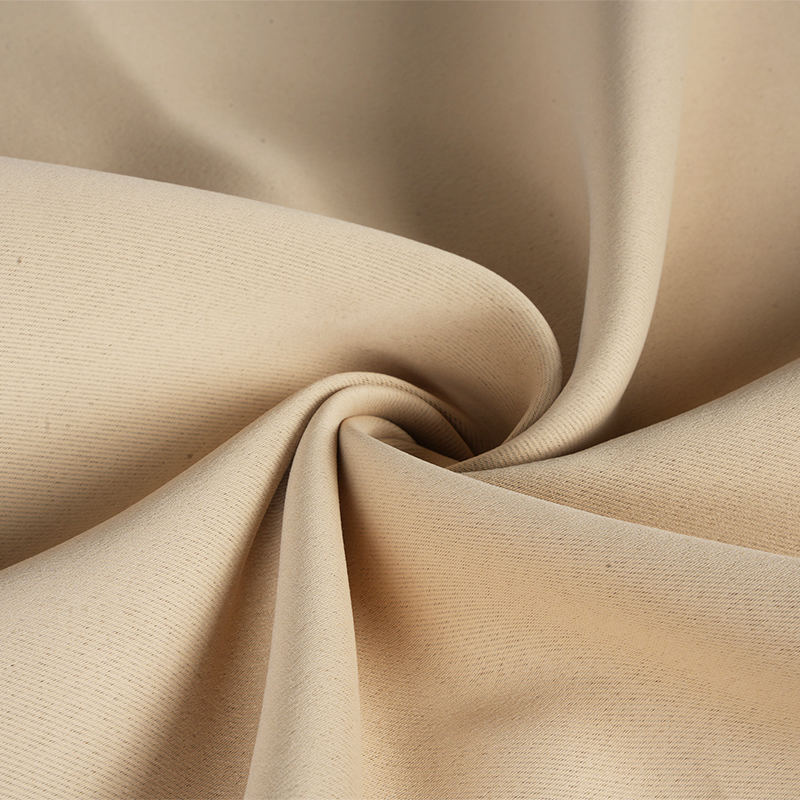
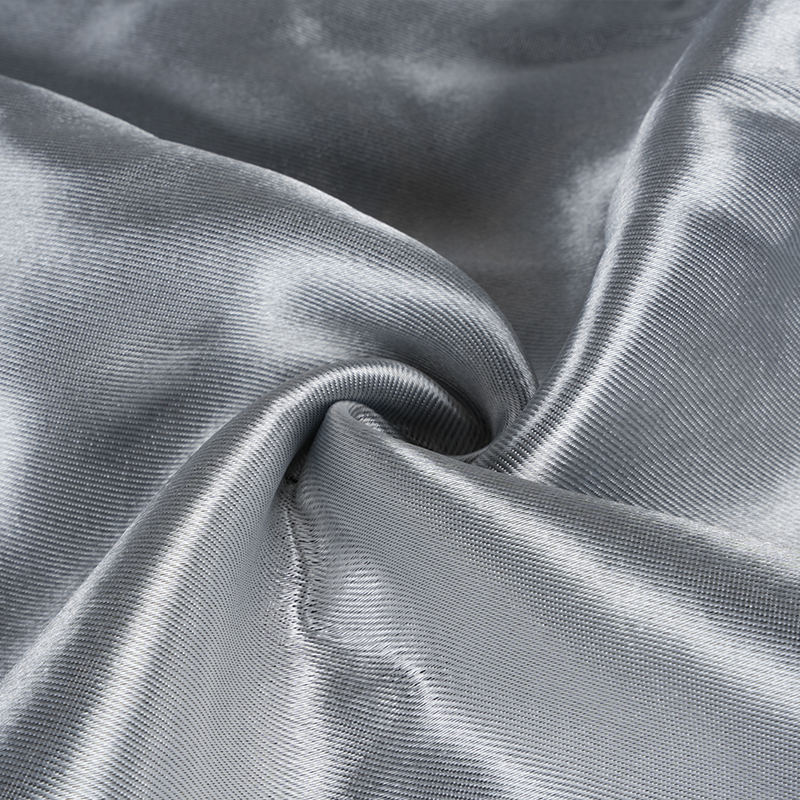
Foam-backed blackout
The acrylic or foam coating blocks penetration. These fabrics have to be treated at the coating stage, with the FR additive built into the back-coat itself.
Inherently FR fibres
Modified polyester, modacrylic blends and glass fibre are already non-flammable by structure. Adding a spray is normally unnecessary and can void the original certificate.
Where the Treatment Fits Along the Supply Chain
Flame retardancy can be introduced at five different points, and each one gives a different level of durability. Reading a purchase order, it helps to know which point you are paying for.
- Fibre stage. The polymer itself is modified. Permanent through washing, but limited in colour and hand.
- Weaving and greige. No treatment yet — only the construction and weight that will influence how a later finish behaves.
- Dyeing and finishing. Pad-dry-cure application or an FR additive in the back-coating. The most reliable route for contract curtains.
- Making up. Treatment applied to the cut panel before sewing. Good for small runs where fabric cannot be re-finished.
- On site. The spray can stage. Fast and flexible, but the least durable and the hardest to verify.
Applying the Spray in Practice
Application quality decides whether you pass or fail far more often than the formulation does. Under-apply and the flame finds the untreated core; over-apply and the curtain sags, rings and stiffens. Work through these steps in order.
- Read the technical data sheet and confirm the required wet coverage per square metre, plus the cure time.
- Test on an offcut or a hidden hem — check colour, hand and any ring marks after full drying.
- Clean the curtain and let it dry completely. Soil and softener residues block absorption.
- Mask floors, glazing and hardware, and ventilate the room properly.
- Wear gloves, eye protection and a suitable respirator; water-based products are not automatically harmless.
- Spray in overlapping passes from roughly 30 to 40 cm, working from the top down to avoid drips.
- Treat both faces, and pay extra attention to seams, hems and leading edges — the parts that catch flame first.
- Hang while still damp so the fabric dries under its own weight, or lay flat if the fabric marks.
- Allow the full cure time — usually 24 to 48 hours — before hanging in an occupied room.
- Record product batch, date, dilution and coverage area, and keep the label with the job file.
Indicative liquid take-up by fabric type
Sheer voilelow
Coated blackoutvery low
Cotton printmedium
Linen unionhigh
Cotton velvetvery high
Bar lengths are relative and illustrative only. Always follow the manufacturer's stated coverage figure for the specific product.
Durability, Laundering and the Re-Treatment Window
Most topical treatments are salts, and salts dissolve. That single fact explains why a curtain that passes a test on day one can fail an inspection two years later. Gentle, low-agitation laundering helps preserve the finish, and the same handling rules that protect delicate fabrics in general apply here — cool water, mild detergent, no harsh spin, no fabric softener. Anyone who wants a deeper look at low-stress washing routines can read our notes on how delicate and specific laundry needs are handled.
5–10gentle washes before most topical finishes need refreshing
24–48 htypical full cure time before rehanging
1–3 yrpractical review interval for on-site treated drapery
UVsun-facing windows degrade finishes fastest
Dry cleaning is not automatically kinder: some solvents strip ammonium-based finishes more aggressively than water does. Ask the finisher which cycle the treatment was tested to, and re-test if the specification demands it.
Mill-Applied or On-Site? Choosing With Your Eyes Open
Mill-applied
- Consistent add-on across the whole piece
- Testable before the fabric is cut
- Better durability, including wash resistance
- Needs lead time and a minimum quantity
On-site spray
- Works on curtains already made and hung
- No minimum order and quick turnaround
- Coverage depends entirely on the operative
- Rarely survives repeated laundering
Our own view is simple: if the curtain is being made new and the project has a compliance requirement, treat it at the finishing stage. On-site spraying earns its place for retrofits, listed buildings where original drapery must stay, and small residential jobs. Because we weave and finish curtain fabric in Shaoxing, we usually see both sides of that decision — and the mill-applied route almost always produces a calmer, softer curtain with a cleaner paper trail.
On cost, expect topical treatment to be cheap per square metre and mill finishing to be cheap per year of service life. Neither figure is meaningful without the test report attached to it.
Frequently Asked Questions
Does flame retardant spray change how the curtain looks?
Colour is usually unaffected, but hand often is. Light fabrics may stiffen slightly; dark, dense fabrics can show pale drying marks if over-sprayed. Always test an offcut.
Can I spray curtains that are already hanging?
Yes, with care. Mask the room, ventilate well, and accept that coverage behind pleats and headings will be uneven. Taking them down gives a far better result.
How long does the treatment last?
Indefinitely in a dry, undisturbed room; considerably less where curtains are washed often or sit in strong sunlight. Plan a review every one to three years for treated contract drapery.
Will a spray make my curtains comply with NFPA 701?
Only a test report can answer that. A product may be tested to NFPA 701 on a specific fabric at a specific add-on; your curtain is a different substrate until proven otherwise.
Is it safe around children and pets?
Once fully cured, most water-based treatments are considered low risk. During application keep the room empty, ventilate, and follow the label's re-entry time — never shorten it.
What if my fabric is already inherently flame retardant?
Then do not spray it. Adding a topical finish to an inherently FR fabric can reduce performance, alter the hand, and complicate the certification you already paid for.
The short version: choose the treatment to match the standard, choose the fabric to match the treatment, and write down what you did. Curtains that are properly treated, properly applied and properly documented are the ones that quietly do their job when it matters.

 English
 Español
 عربى


 Leave a message
