When a fire breaks out, every second counts. Smoke and flames can travel through open spaces with alarming speed, turning a manageable incident into a life-threatening emergency. Fire safety curtains are one of the most effective passive protection solutions available, quietly waiting until they are needed to create a barrier that buys precious time for evacuation and firefighting. Understanding how these systems work—and where they fit into a building's overall safety strategy—helps architects, facility managers, and property owners make informed decisions.
What Is a Fire Safety Curtain?
A fire safety curtain is a flexible, fire-resistant barrier that deploys automatically in the event of a fire. Unlike rigid fire doors or shutters, these curtains are typically made from woven glass fibre or similar high-performance materials that can withstand extreme temperatures. When not in use, they remain folded or rolled up, often concealed within a ceiling void or wall recess, which means they do not interfere with the everyday use of a space.
The primary purpose of a fire curtain is to limit the spread of fire and smoke between different compartments of a building. By creating a temporary but effective barrier, they help protect escape routes, reduce property damage, and give occupants more time to reach safety. They are an essential component of passive fire protection, working alongside active systems such as sprinklers and alarms.
How Fire Safety Curtains Work
Most modern fire curtains are integrated with a building's fire alarm system. When smoke or heat detectors trigger an alarm, a signal is sent to the curtain's release mechanism. The curtain then descends under controlled gravity, guided by side rails or tensioning systems, until it reaches the floor or a designated stopping point. Some models can also be activated manually or by a local heat sensor if the main alarm system fails.
The materials used in these curtains are engineered to resist temperatures that would quickly destroy ordinary fabrics. They often incorporate multiple layers, including intumescent materials that expand when heated to seal gaps and prevent smoke leakage. Once the fire is extinguished, the curtain can usually be retracted and reset, ready for future use.
Key Applications in Modern Buildings
Fire safety curtains are versatile and can be found in a wide range of commercial, industrial, and public buildings. Common applications include:
- Stairwells and lobbies: Preventing smoke from entering vertical escape routes.
- Atriums and open ceiling voids: Compensating for the lack of physical walls in large open spaces.
- Windows and facades: Reducing the risk of fire spreading between floors via external glazing.
- Elevator shafts and doors: Containing smoke and heat that could otherwise travel through lift openings.
- Large doorways and corridors: Providing flexible compartmentation without the need for permanent doors.
- Perimeter protection: Creating a barrier around specific high-value areas or equipment.
Each application requires careful consideration of the curtain's size, deployment speed, and integration with the building's fire strategy. Working with experienced suppliers and installers ensures that the chosen system meets both performance and aesthetic requirements.
Fire Curtains vs. Smoke Curtains vs. Fire-Resistant Fabrics
It is easy to confuse fire curtains with smoke curtains, but they serve distinct purposes. Fire curtains are designed to withstand direct exposure to flames and high temperatures, forming a barrier that prevents fire from spreading. Smoke curtains, on the other hand, are lighter and focus on controlling the movement of smoke, which is often the most dangerous element in a fire. Many buildings use both types in combination to achieve comprehensive protection.
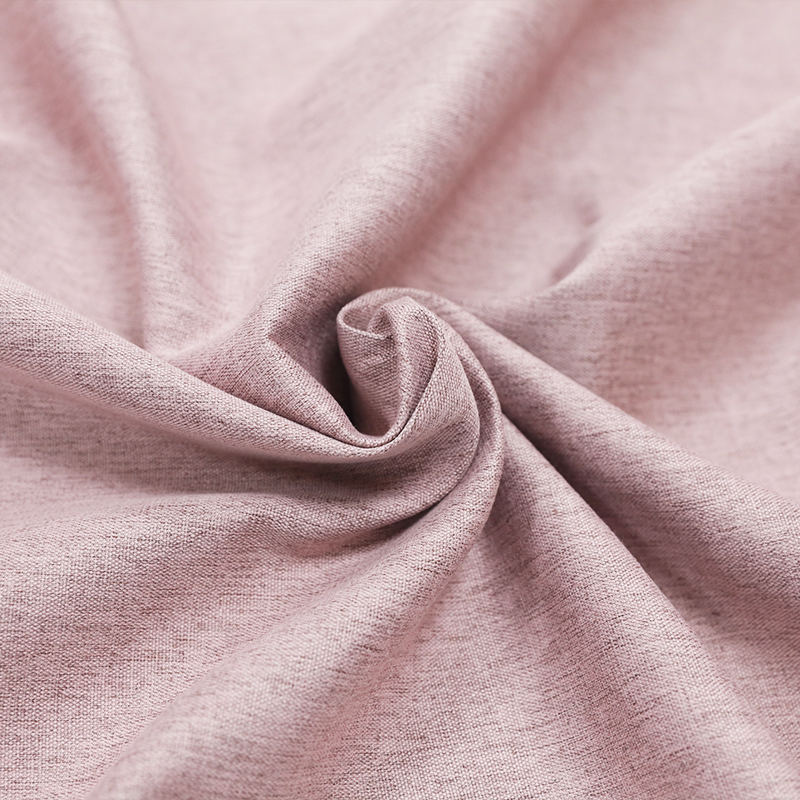
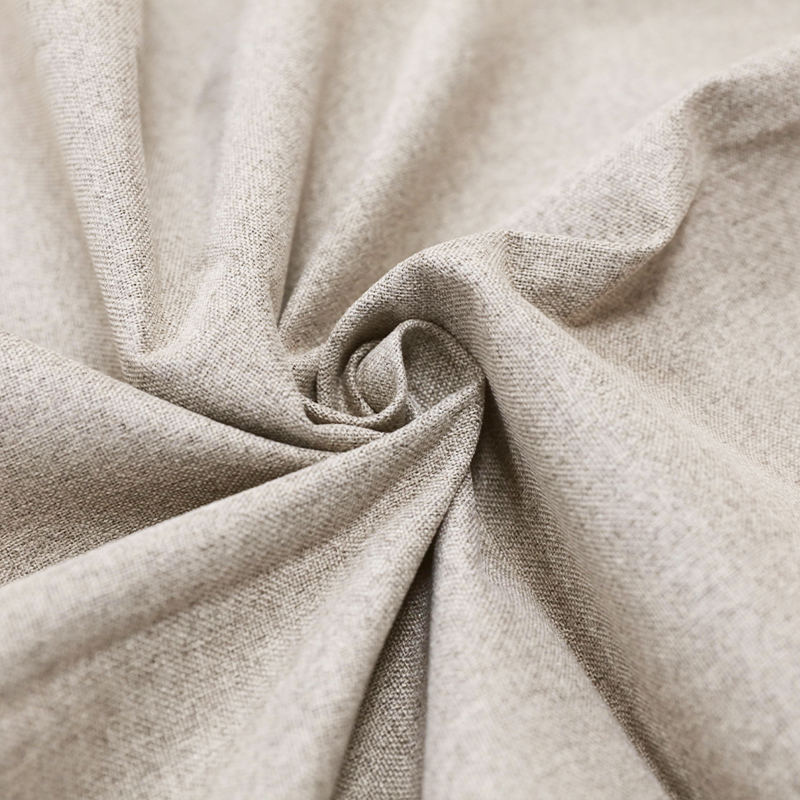
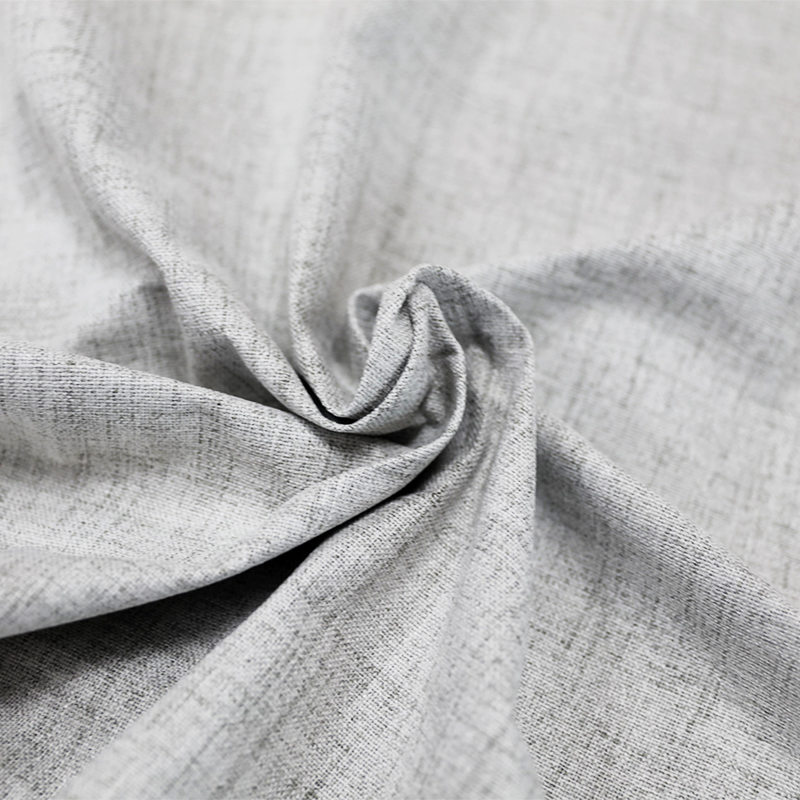
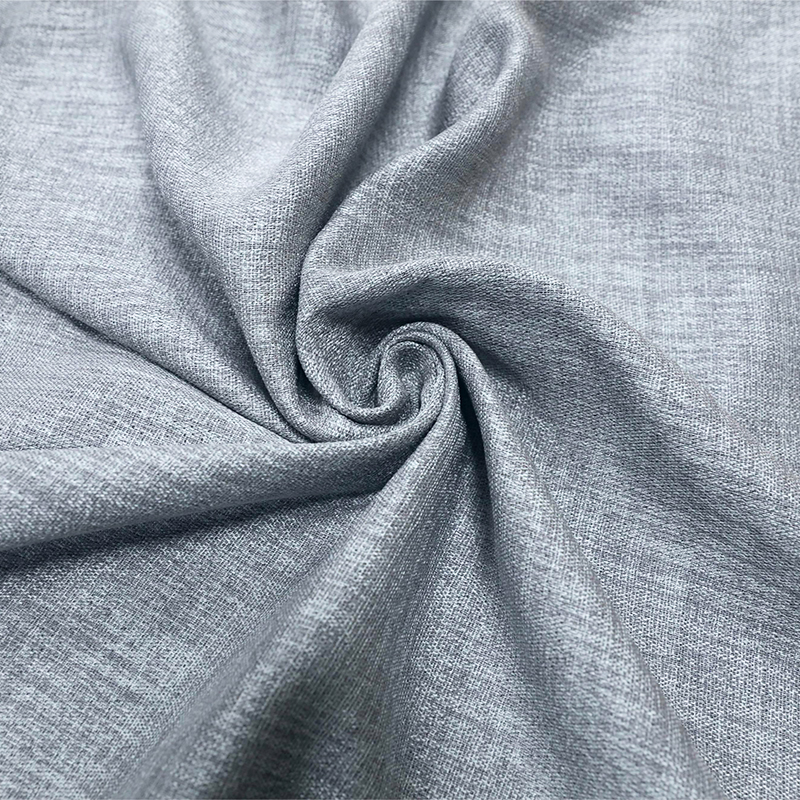
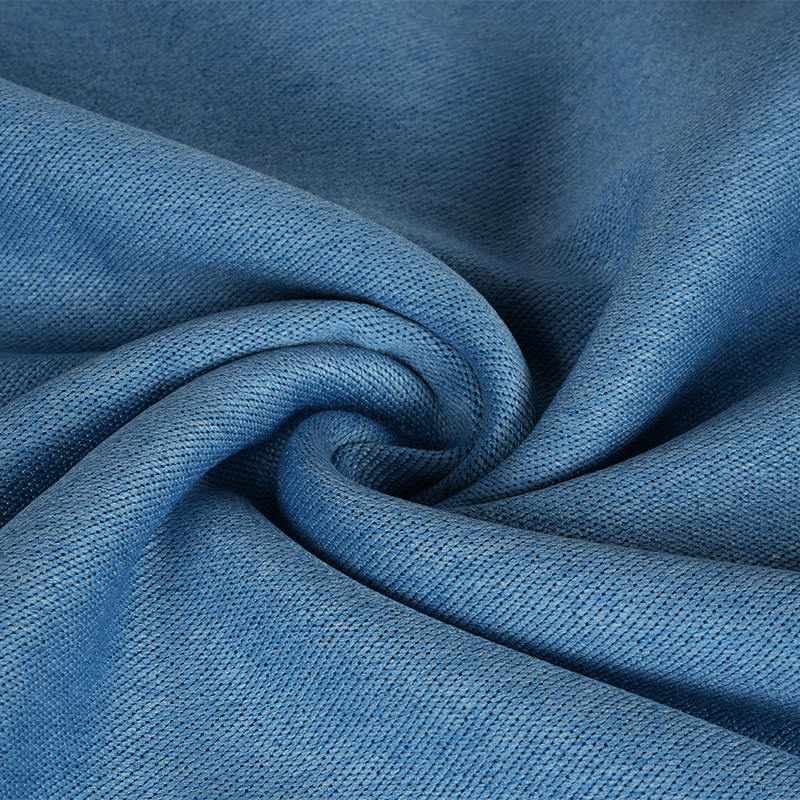
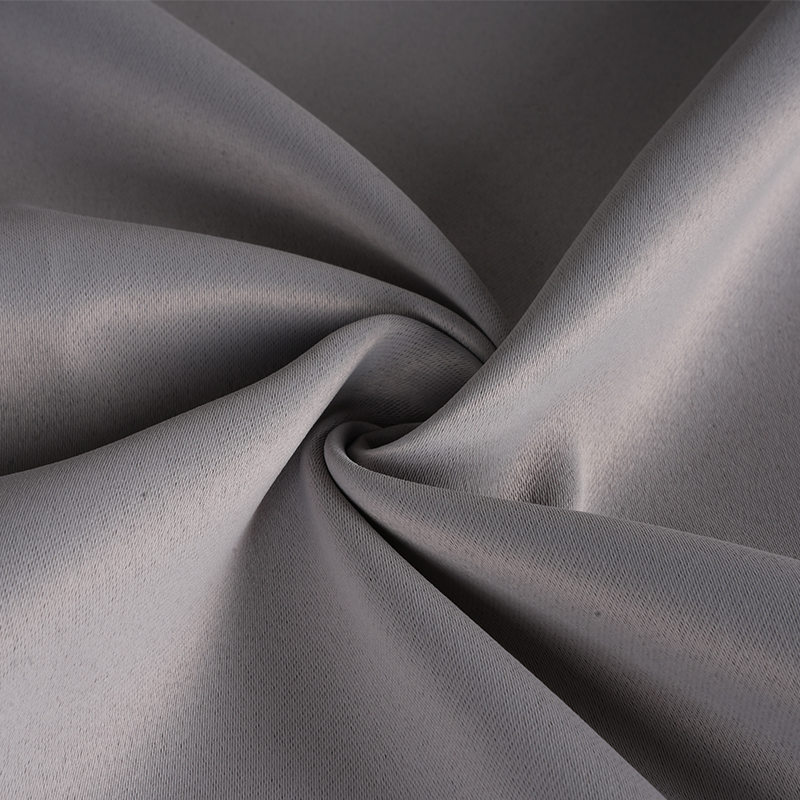
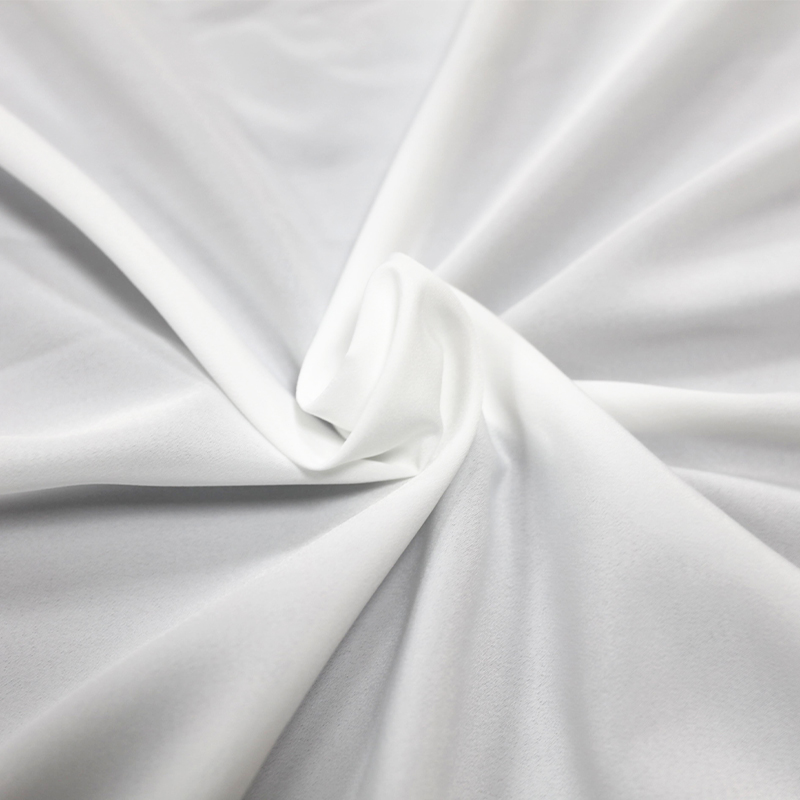
Separately, there is the question of ordinary window treatments. Standard curtains and drapes are not fire safety curtains, but the fabric you choose can still contribute to overall safety. For commercial interiors and public spaces, selecting flame-retardant or inherently fire-resistant curtain fabrics is a sensible precaution. As a curtain fabric manufacturer, we supply a range of blackout and decorative fabrics, including our engineering series, which is designed for larger-scale projects. While these fabrics are not a substitute for certified fire curtains, they can complement a building's passive fire strategy when specified correctly. You can explore our curtain fabric range to find options suitable for your next project.
Standards and Compliance for Fire Safety Curtains
Fire safety curtains must meet rigorous standards to be considered reliable. Depending on your region, relevant certifications may include BS EN 12101-1 (smoke and heat control systems), UL 10D (fire tests for fire protective curtains), and NFPA 80 (standard for fire doors and other opening protectives). These standards test factors such as fire resistance duration, smoke leakage, and operational reliability.
When specifying a fire curtain, always ask for evidence of third-party testing and certification. A reputable supplier will provide detailed test reports and can explain how their product complies with local building codes. Compliance is not just a legal requirement; it is a critical part of ensuring that the curtain will perform as expected during an emergency.
Design and Installation Considerations
Integrating fire curtains into a building requires early planning. Key factors include the size of the opening, the available headroom for the curtain housing, and the power supply for the release mechanism. Curtains can be mounted vertically or horizontally, and some systems are designed to deploy in a zigzag pattern for larger spans.
It is also important to consider how the curtain will interact with other building systems. For example, will it obstruct normal traffic flow when retracted? Does it need to interface with the fire alarm panel, and are there fail-safe mechanisms in case of power loss? A qualified fire engineer or specialist contractor can help you navigate these details and ensure a smooth installation.
Comparison of key passive fire protection options.
| Feature |
Fire Curtain |
Smoke Curtain |
Fire-Resistant Fabric |
| Primary function |
Blocks flames and heat |
Controls smoke movement |
Reduces ignition risk |
| Fire resistance |
High (up to 120+ minutes) |
Low to moderate |
Limited |
| Typical use |
Compartmentation, escape routes |
Atriums, corridors |
Curtains, upholstery |
| Certification |
BS EN 12101-1, UL 10D |
BS EN 12101-1 |
EN 13501-1, NFPA 701 |
Maintenance and Inspection
Like any life safety system, fire safety curtains require regular maintenance to remain reliable. Inspections should be carried out at least annually by a competent person, and more frequently in high-use or dusty environments. During an inspection, the curtain should be tested through a full deployment cycle to check for smooth operation, correct alignment, and any signs of wear or damage.
Records of maintenance and testing should be kept as part of the building's fire safety documentation. If a curtain fails to deploy correctly or shows signs of deterioration, it should be repaired or replaced promptly. Never assume that a curtain will work simply because it is installed—routine checks are essential.
Choosing the Right Fire Safety Curtain
Selecting a fire safety curtain is not a one-size-fits-all decision. Start by identifying the specific risks and requirements of your building. Consult with a fire safety professional to determine the appropriate fire resistance rating, deployment method, and control system. Look for suppliers who offer comprehensive warranties, technical support, and a proven track record in similar applications.
Cost is always a consideration, but it should not be the driving factor. A well-designed and properly installed fire curtain is an investment in the safety of everyone who uses the building. By combining quality products with professional installation and ongoing maintenance, you can ensure that your passive fire protection performs when it matters most.
Fire safety curtains are a powerful tool in the fight against fire and smoke. They provide invisible protection that works around the clock, ready to deploy at a moment's notice. Whether you are designing a new building or upgrading an existing one, understanding these systems—and how they fit alongside other safety measures—will help you create a safer environment for all. If you are also looking for high-quality curtain fabrics for your interior projects, our team is here to help you find the right materials for both style and safety.

 English
 Español
 عربى



 Leave a message
