Custom curtains with logo sound like a simple request: choose a fabric, add a mark, ship the panels. In practice almost all of the difficulty sits underneath the logo. A blackout panel that reads beautifully in a hotel corridor can look flat in an office with a single window, and a mark that is crisp on a woven label can turn soft when it is printed onto a loose weave. The logo is the part everyone looks at. The cloth is the part that decides whether it still looks right two years and many cleanings later.
We weave and finish curtain fabric in Keqiao, Shaoxing, working from raw yarn through twisting, warping, weaving and dyeing. Branded projects reach us at every stage, sometimes as a finished vector file, sometimes as a photograph of a logo printed on a napkin. This guide gathers what those conversations usually come down to, so a first-time buyer can ask the right questions before a deposit is paid.
What Buyers Usually Mean by Custom Curtains With Logo
Nearly every enquiry falls into one of two groups. The first is a single placement: one logo per panel, often a crest or a wordmark, sitting on the leading edge, the bottom hem or the heading itself. The second is a repeat, where the mark is tiled across the full width so the curtain becomes branding rather than a curtain with branding on it. Retail, food service and fitness brands tend to want the second; hotels and offices the first.
There are quieter options as well, and they are often the better answer. A mark can be embroidered onto the tieback instead of the panel, woven into the heading tape, or printed on the lining so it is visible only from inside the room. For unlined and sheer curtains, decide early whether the logo should read from the street at all, because a printed mark shows through in reverse while an embroidered mark does not behave the same way.
How the Logo Gets Onto the Fabric
Four or five methods cover almost everything we produce, and each one pulls you towards a different base cloth and a different minimum order. The table below is the short version we send to buyers.
Table: a practical comparison of the main ways a logo can be applied to curtain fabric.
| Method |
Typical base fabric |
How it behaves over time |
Best suited to |
| Digital or screen print |
Polyester blackout, tight cotton-look weaves |
Wide colour range; the ink sits on the surface and can dull with abrasion |
Large or detailed marks, short and medium runs |
| Repeat print, rotary |
Lightweight polyester, sheer voile |
Economical at volume; sharpness depends on the weave |
All-over patterns across hundreds of metres |
| Embroidery |
Linen-look blackout, flannel, heavier weaves |
Tactile and premium; can pucker on very light cloth |
Crests, monograms, single placements |
| Jacquard weaving |
Any base you already run |
The mark is part of the cloth rather than a layer on top |
Long-run hospitality and retail programmes |
| Woven label or patch |
Almost any fabric |
Quick to apply and easy to change in a later phase |
Small marks and mixed fabric programmes |
None of these is automatically the right choice. Repeat printing is the cheapest way to cover hundreds of metres but will not match the density of a woven mark, and embroidery that looks premium on a heavy panel can pucker on a light voile. Choose the method that suits the fabric you actually want.
Choosing a Base Fabric That Carries the Logo Well
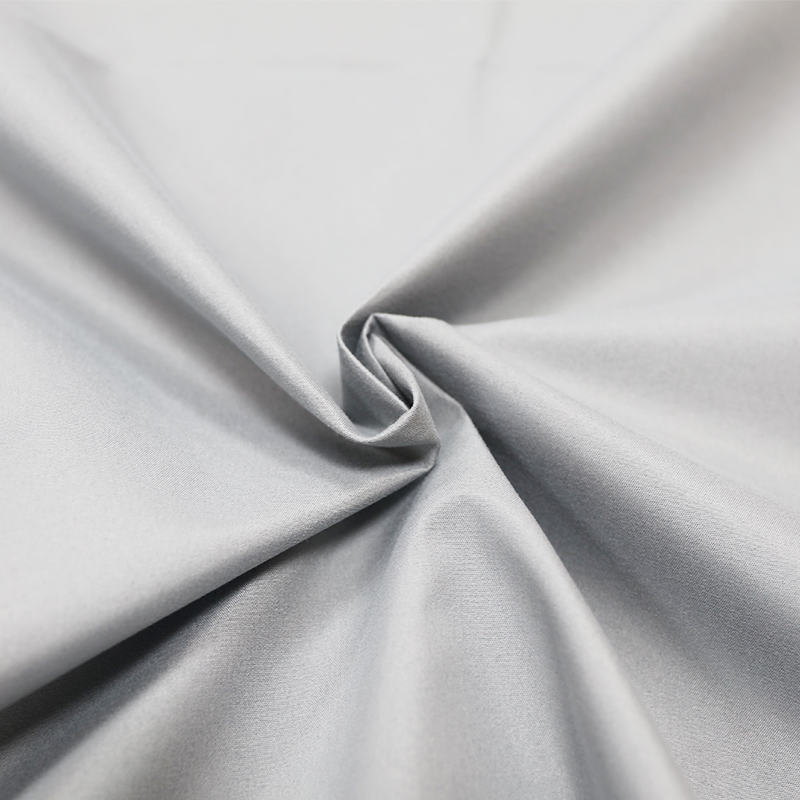
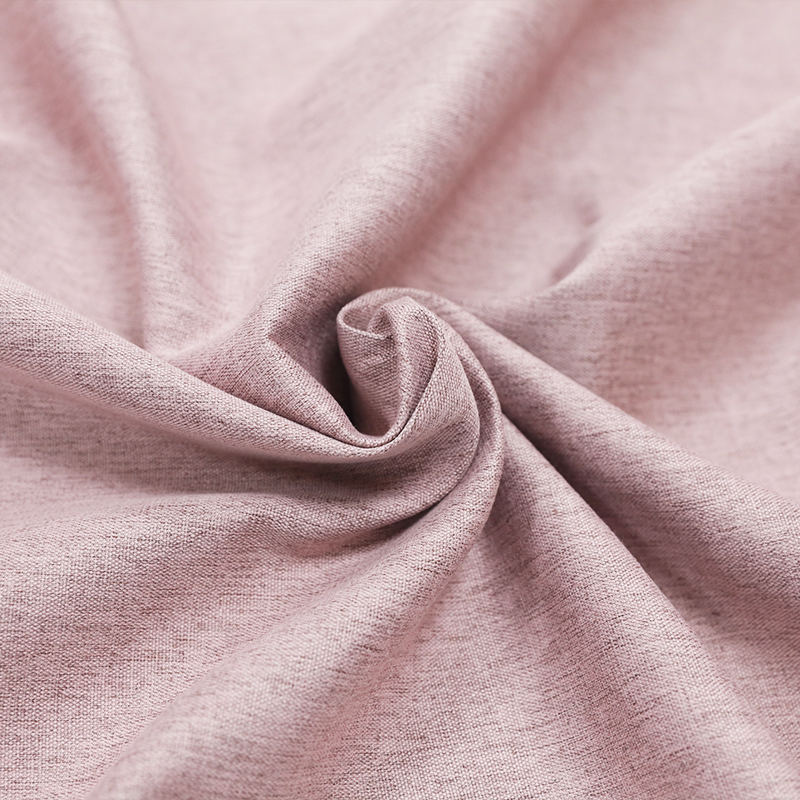
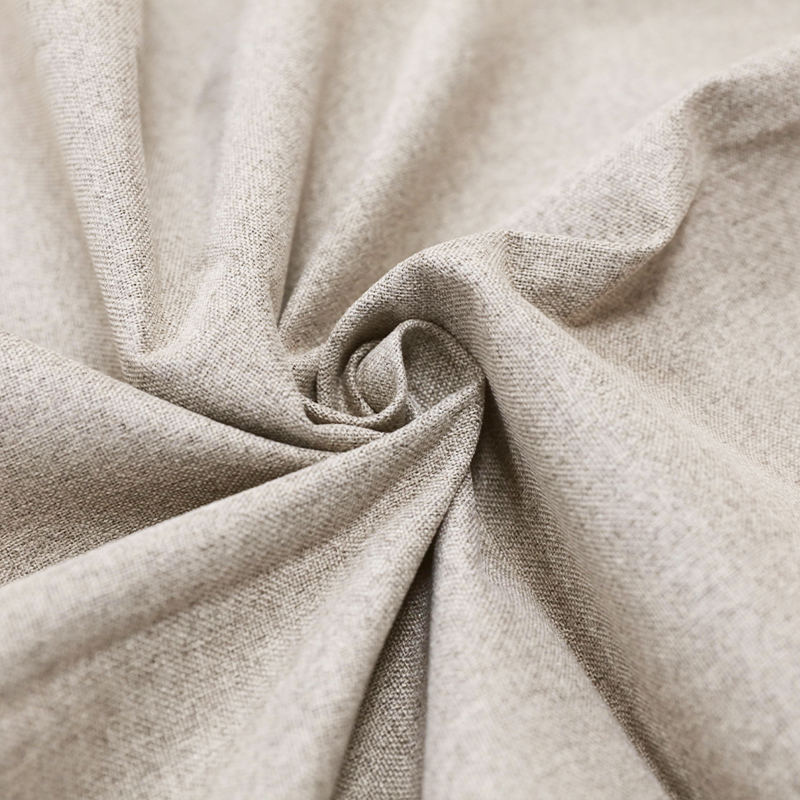
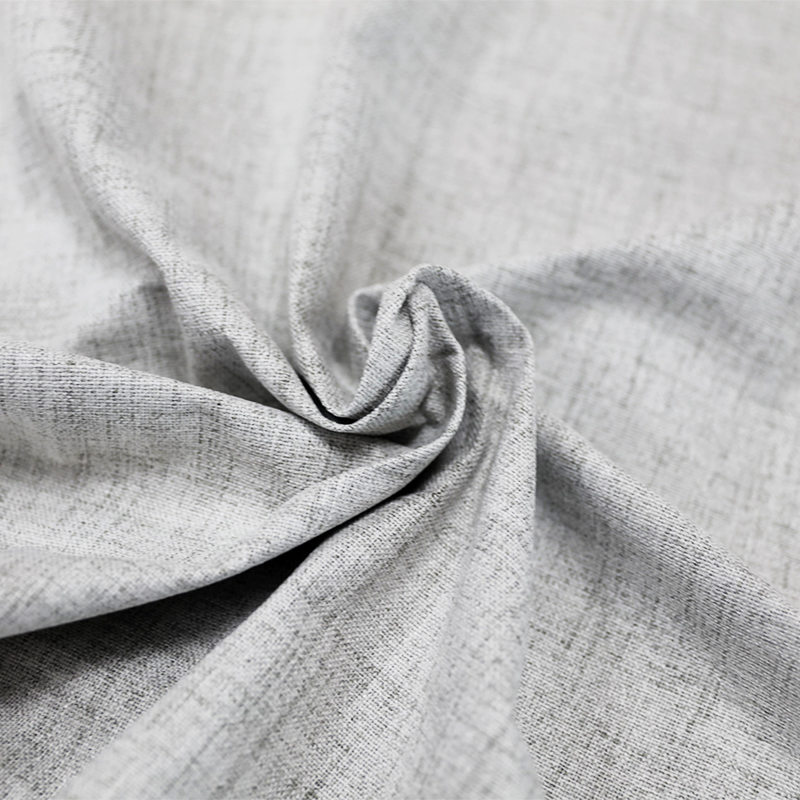
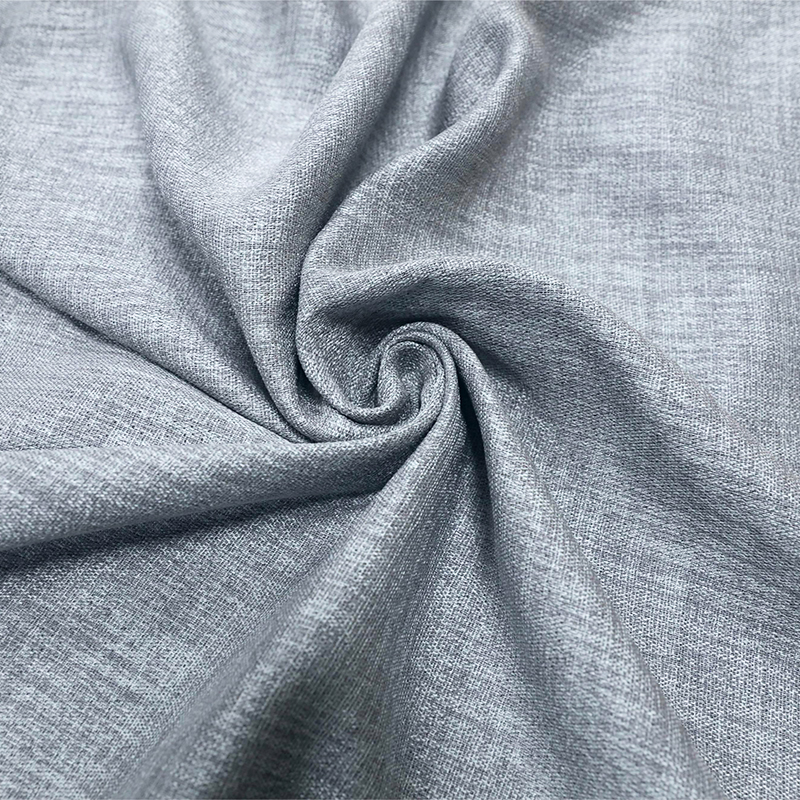
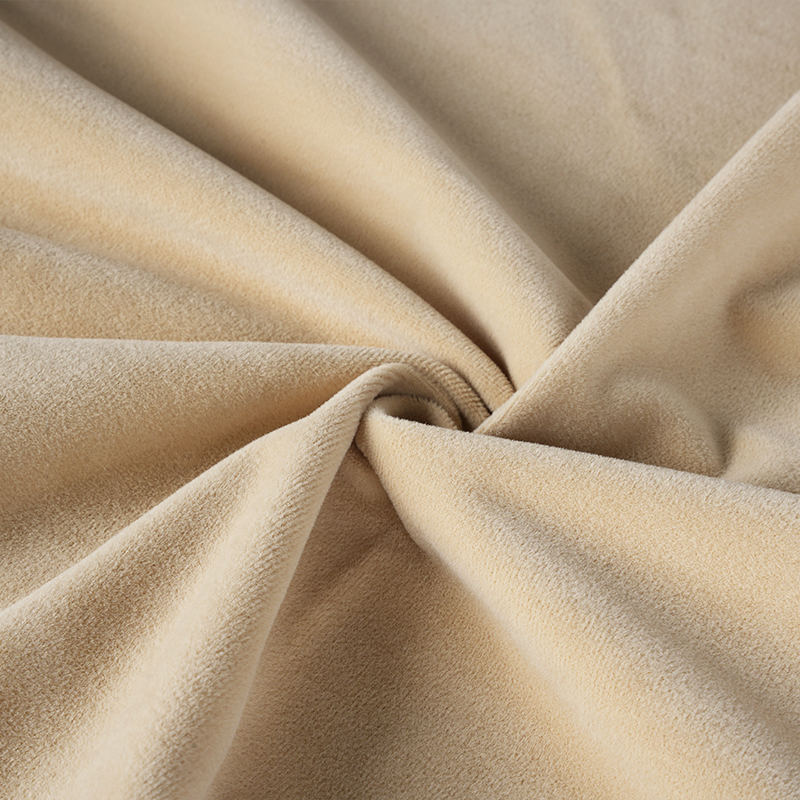
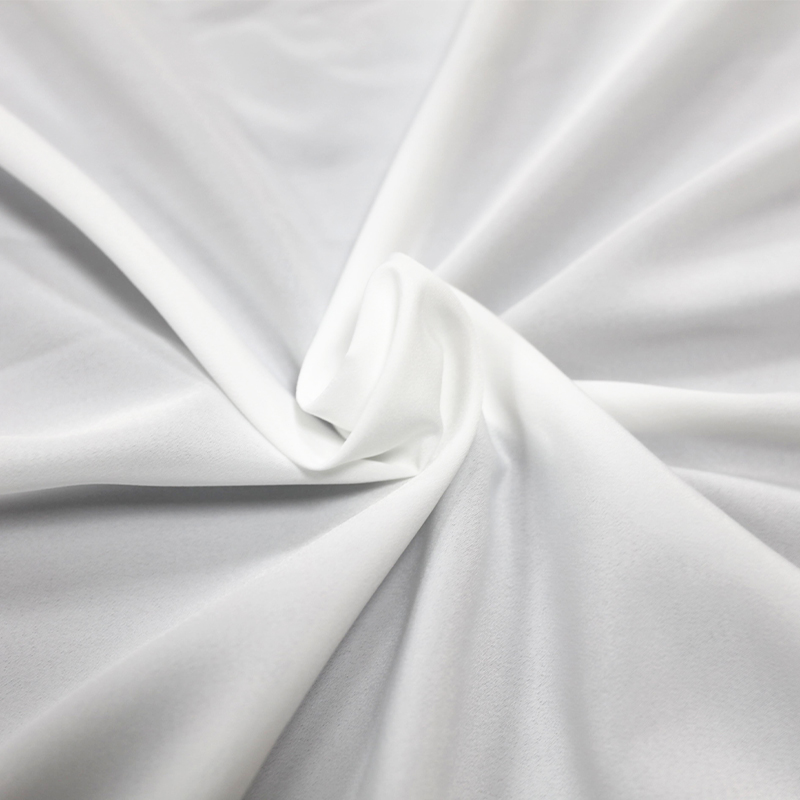
Fabric does more for a logo than the application method does. Our own production is organised around five families: 100% blackout fabric, a linen-look blackout series, a project series built for large commercial fit-outs, flannel, and sheers.
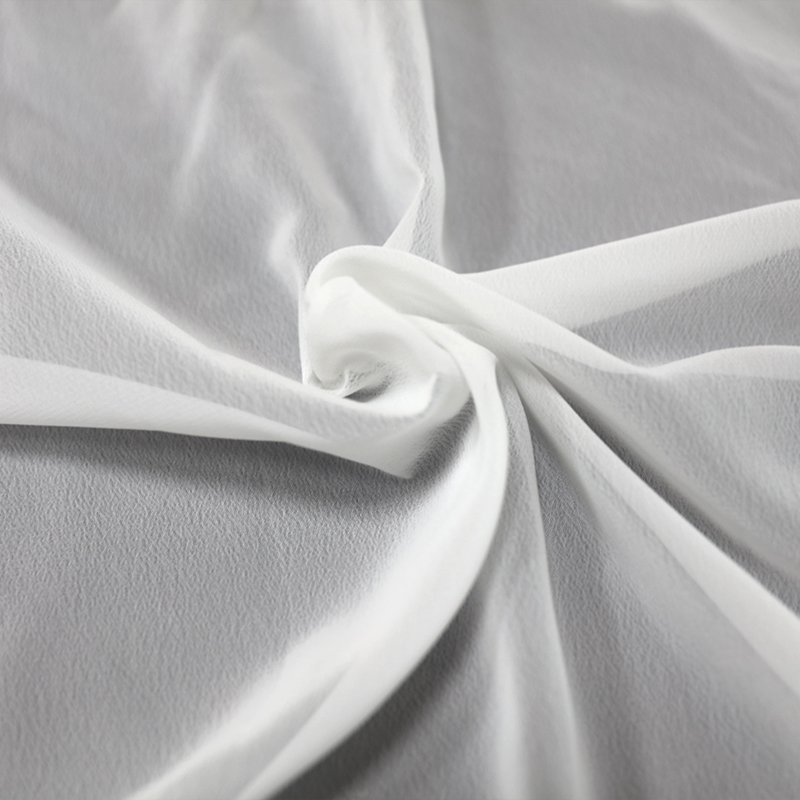
A firm, tightly woven surface holds print and embroidery cleanly, which is why blackout qualities appear so often in branded work. The coated back of a full blackout fabric also keeps light from bleeding through and washing the ink out, so a mark keeps its density in daylight. Linen-look blackout gives a softer, more natural surface and suits hospitality interiors, while flannel hides small irregularities and pairs well with embroidery and woven labels. Sheers are the opposite case: the cloth acts as a filter, so a mark on it always looks lighter in daylight than on the sample table.
If you want to compare the families before committing, our curtain fabric range is a sensible starting point, and we are glad to send a test panel in the base you are considering.
Where Branded Curtains Earn Their Keep
Logo curtains are rarely bought as decoration. They are bought because a window is one of the cheapest pieces of brand space a building owns. The settings where they work hardest include:
- Hotels and serviced apartments, where a repeated mark on blackout panels keeps the property's identity present in every room.
- Corporate offices and boardrooms, where a discreet embroidered crest reads as considered rather than promotional.
- Retail stores and showrooms, where an all-over repeat turns the window into part of the shopfront.
- Restaurants, cafes and bars, where branded panels divide a large room without building a wall.
- Clinics, dental practices and wellness studios, where a soft, low-contrast mark supports a calm interior.
- Sports clubs, gyms and schools, where a bold mark on a hard-wearing fabric survives constant handling.
- Exhibitions and pop-up spaces, where short-run printed panels are used for a season and then stored.
Design Details That Decide Whether the Logo Reads
Most branded curtain projects that disappoint are not badly printed. They are badly scaled or badly placed, and both problems are easy to avoid at the design stage.
Size for the viewing distance
A mark meant to be read from a pavement needs to be far larger than one read across a boardroom table. Work back from the distance at which the logo must be legible, not from the size it happens to be on a business card.
Watch the pleats
This is the mistake we see most often. On a pinch pleat or wave heading the fabric folds into regular waves, and a logo placed between two pleats disappears inside a fold once the curtain is drawn. Plan the artwork around the pleat positions, or use a flat heading that lets the panel hang open.
Respect the joints
Wide windows are usually made from two or more fabric widths joined together. An all-over repeat must be matched across those joins, and a single large logo should sit clear of the seam so the panel still looks deliberate.
Finish the edges properly
A logo near a hem sits where a curtain is handled most. Weighted hems and clean stitching matter as much as the print, especially in hotels where panels are opened and closed every day.
From Artwork to Delivery
A branded order moves through the same sequence whether it is 200 metres or 20,000, and knowing the steps in advance keeps the timeline honest.
- Share the artwork and the brief: vector files or high-resolution images, colour references and the intended placement.
- Agree the base fabric and the finish, including heading style, lining and any flame-retardant requirement.
- Approve a physical sample in the real base cloth, since this step prevents most surprises later.
- Confirm quantities, roll widths and finished drop, and put the delivery date in writing.
- Production, from yarn and twisting through warping, weaving and dyeing, then printing, embroidery or weaving of the mark.
- Inspection, rolling and packing, with carton marks agreed in advance.
- Shipment by sea or air, depending on your deadline.
Because the whole chain sits under one roof, a change can be made at the loom rather than negotiated with a third party. Our dyeing and finishing lines run at roughly 300,000 metres a day, and the fabric we produce ships to buyers in the United States, Germany, Spain, Italy, Australia, Saudi Arabia, Dubai and Southeast Asia, so export packing and documentation are everyday work for us.
A Short Checklist Before You Place the Bulk Order
- Has a physical sample been approved in the exact base fabric, rather than a paper swatch or a screen image?
- Are the finished drop, heading style and pleat layout confirmed in writing?
- Will the mark be seen from both sides, and does the reverse view still look acceptable?
- Have repeat orders been discussed, including dye lot consistency for a second phase?
- Are cleaning and care instructions agreed, especially for printed surfaces?
- Are packing, labelling and carton marks specified so nothing needs relabelling at the warehouse?
Questions We Hear Most
What is the usual minimum order for logo curtains?
It depends on the method. Repeat printing needs volume to be economic, while digital printing and embroidery are practical on much smaller runs. Tell us the quantity you have in mind and we will say honestly whether it fits the process.
Will a second order match the first?
If we hold the recipe and the base fabric, we can match a previous shipment closely, and we will flag it if a colour is likely to drift. Phased orders are best discussed in one conversation rather than months apart.
Custom curtains with logo are a small project for a mill and a very visible one for the brand that orders them. Get the base fabric right, choose a method that suits it, plan the placement around the pleats, and the rest is ordinary production. Get any one of those wrong and the logo becomes the thing everyone notices for the wrong reason.
If you are still comparing options, send us the artwork and the window sizes. We will tell you which of our fabric families suits the project and what a realistic sample and delivery schedule looks like. You can also read a little about how we position our own fabric business before you get in touch.

 English
 Español
 عربى


 Leave a message
