Your client emails you a specification sheet at 3 p.m. and expects a quote by Friday: 600 yards of blackout fabric for a conference center, fire-rated, with a light-blocking efficiency above 95%. The color card is still in the mail. This is the moment when a simple-looking decision—picking a curtain fabric—becomes a commercial procurement risk. The short answer is: you do not choose blackout curtains by looking at a sample. You choose them by verifying four measurable properties: light blocking, flame retardancy, durability, and supplier lead time.
What Actually Defines a Commercial Blackout Curtain?
Commercial blackout curtains differ from residential drapes in one critical way: they are specified to perform under contract. A homeowner can buy a blackout lining with 80% opacity and be satisfied. A hotel operator or architect cannot. The standard for commercial spaces is usually 95% to 99% light blockage, depending on the room's function. Conference rooms, auditoriums, and multi-purpose halls often demand near-total darkness for projection or presentation work.
Beyond opacity, fire performance and fabric durability are non-negotiable. Building codes in many jurisdictions require curtain textiles to meet flame spread and smoke generation limits. The key is that a commercial blackout curtain is a system of measured properties—not a single visual feature.
Typical light blocking levels for commercial spaces
| Light Blocking Level |
Common Application |
Selection Notes |
| 85% - 90% |
Offices, meeting rooms |
Reduces glare, but may not eliminate shadows for presentation. |
| 95% - 96% |
Conference centers, classrooms |
Suitable for most AV environments. |
| 99%+ |
Auditoriums, theaters, black-box stages |
Requires heavy weave or double-layer construction. |
Light Blocking: Beyond the Color
Many buyers assume that a dark-colored fabric automatically blocks more light. That is only partly true. The real driver is the structure of the fabric. Dense, tightly woven polyester or cotton with a high GSM (grams per square meter) blocks more light than a loose weave—even if both are navy blue. Coated fabrics and laminated layers add a physical barrier that diffuses and absorbs incoming light.
For commercial environments, you should ask for the opacity measurement at a specific wavelength, not just the "blackout" marketing label. A reliable fabric specifier will provide a light transmission percentage verified by a third-party laboratory. This matters because a curtain that passes a simple visual test can still let through bright pinpoint pinholes when the sun is low.
Flame Retardancy and Building Codes
Fire safety is the most common reason a commercial curtain order gets rejected at the final inspection. Most public and commercial buildings in North America require curtain fabric to meet NFPA 701, either as a permanently flame-resistant fabric or after a topical treatment. In other regions, the applicable test may be ASTM E84 or European EN 13501.
You should ask your fabric supplier to provide a current test report from a recognized testing body before placing an order. Note that some treatments can affect the fabric's hand feel and color consistency. If you are specifying a heavily laminated blackout fabric, confirm that the laminate itself does not compromise the fire rating.
Energy Efficiency and Thermal Comfort
Blackout curtains also contribute to energy performance. By blocking solar radiation at the window plane, they reduce cooling loads in summer and help retain heat in winter. Commercial buildings with large glazed areas often specify blackout curtains as part of an energy management strategy. The fabric's reflective backing or inner coating can increase the overall R-value of the window assembly slightly, but the biggest benefit comes from rejecting direct sunlight before it reaches the interior.
The decision to use blackout curtains instead of roller shades or motorized blinds usually comes down to acoustic absorption, aesthetic flexibility, and cost. Curtains offer a softer visual and can be layered with sheers for daylight control. However, for a curtain to contribute meaningfully to thermal comfort, it must be hung close to the glass with minimal gap—plan for a track system that allows the panels to seal the edges.
Fabric Types for Commercial Applications
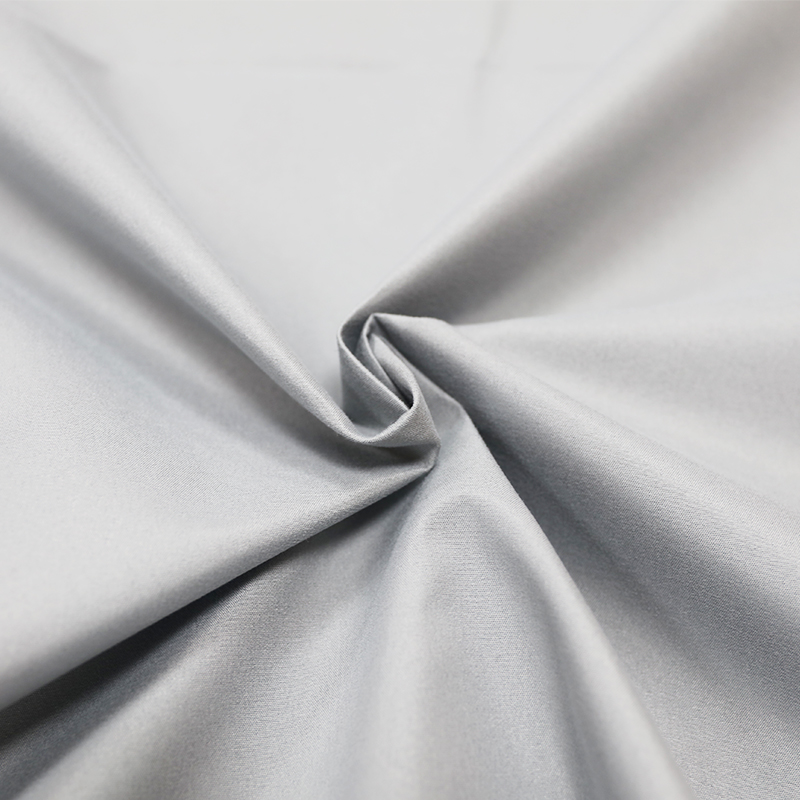
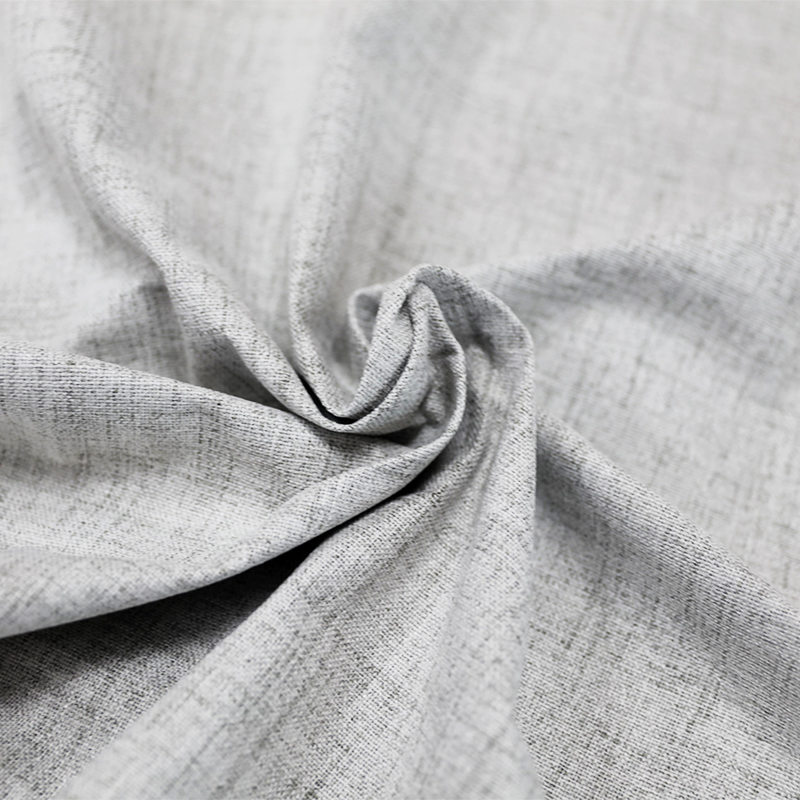
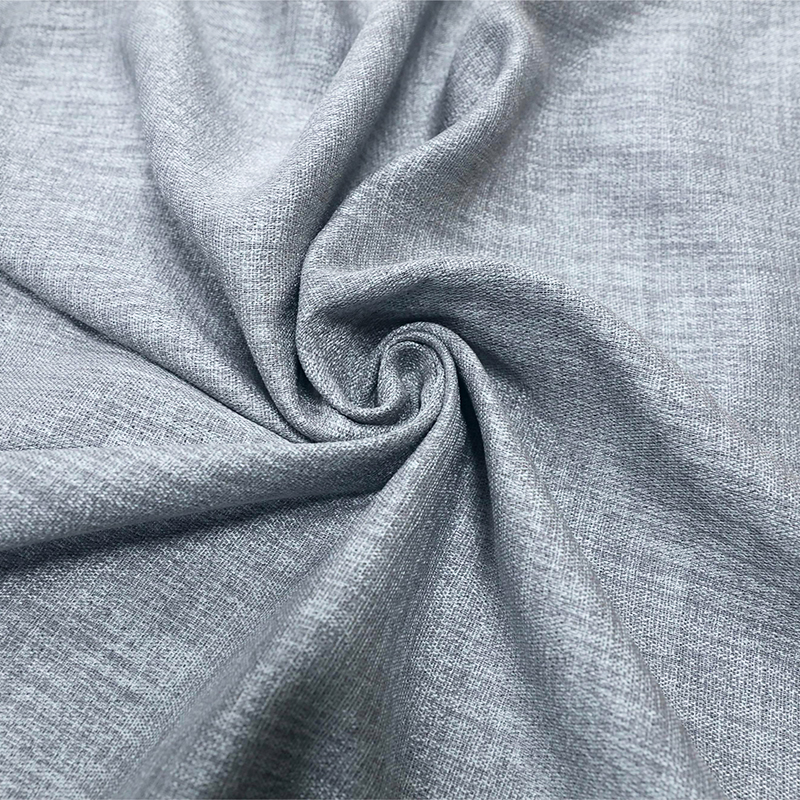
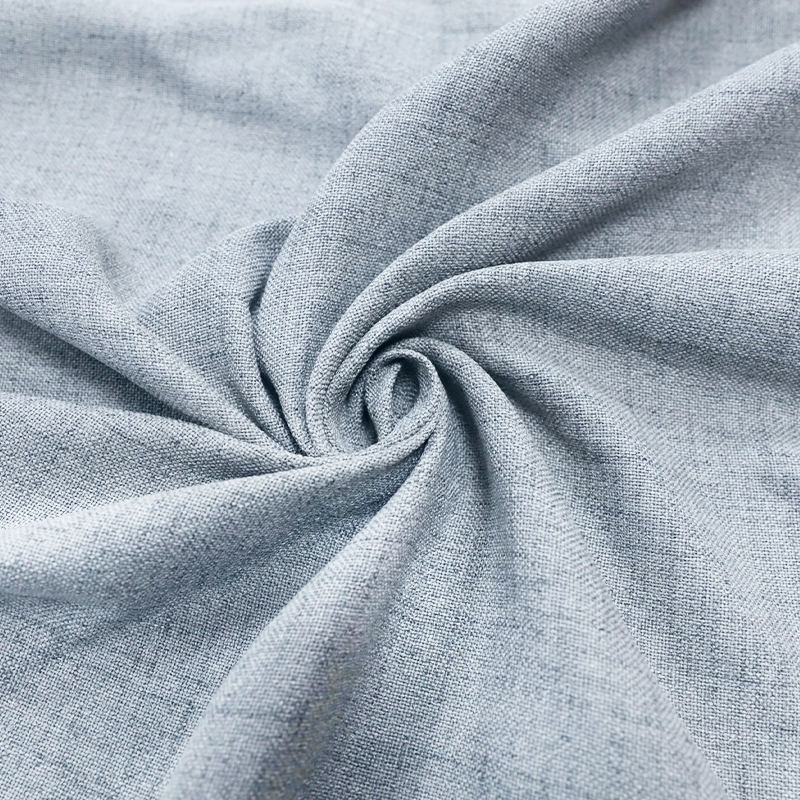
Commercial blackout curtains are available in different woven constructions and finishes. The choice often depends on the project's aesthetic, budget, and maintenance requirements. The following table compares the most common categories.
Common commercial blackout fabric types and their strengths
| Fabric Type |
Best Use |
Key Characteristics |
| 100% Polyester Coated |
Hotels, hospitals, classrooms |
Durable, wrinkle-resistant, easy to clean. |
| Linen Blend |
Executive offices, hospitality lobbies |
Natural texture, drapes well, slight light variation. |
| Engineered Commercial |
Auditoriums, convention centers |
High weave density, meets strict fire codes. |
| Flannel / Velour |
Boardrooms, quiet rooms |
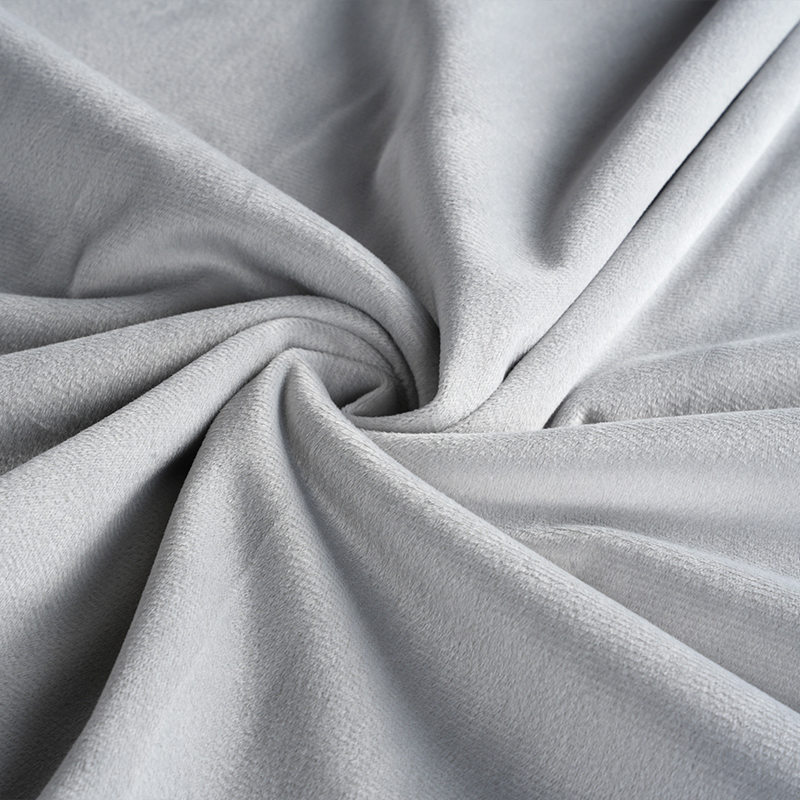
Heavy, good sound absorption, formal look. |
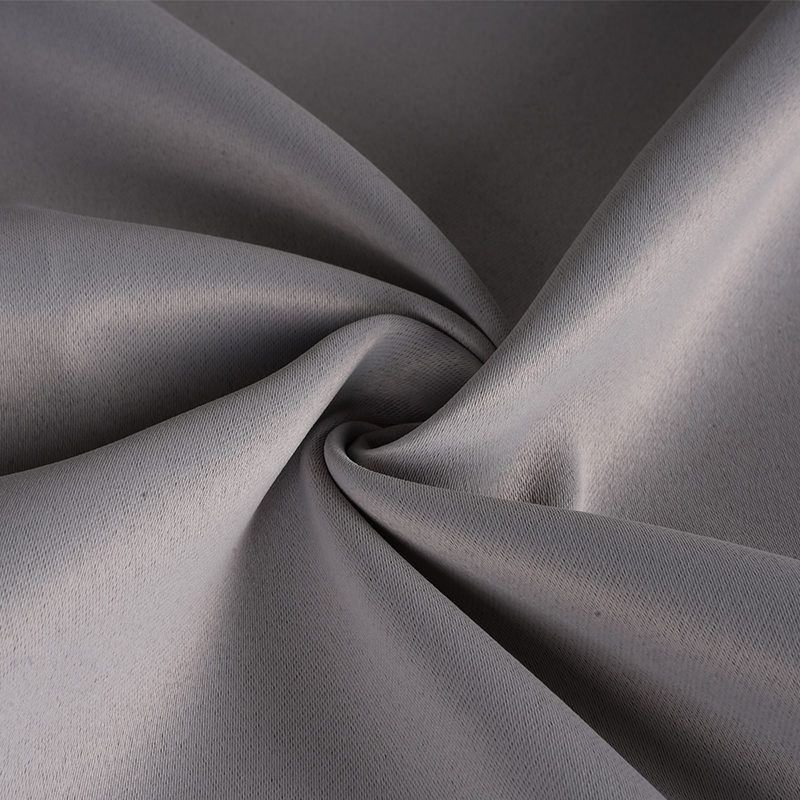
An engineered commercial fabric typically has a higher content of high-denier yarns and a weave designed to eliminate pinhole light leaks. Linen blends give spaces a warm, natural appearance but may not reach the 99% opacity required for a black-box theater without an additional backing layer.
Procurement Risks Buyers Should Manage
Because commercial curtains are ordered in bulk, small variations between rolls can create a visible line across a wall of windows. Here are the most common risks to control.
- Shrinkage and dimensional stability. A fabric that shrinks significantly after the first wash will drape unevenly and reduce light-blocking performance when pulled closed. Confirm the supplier's shrinkage specs and required pre-shrinking process.
- Color and dye lot consistency. Ask for a measured Delta E (color difference) tolerance and require production to match the approved lab dip sample. A loose tolerance can result in panels that look distinctly different under directional light.
- Batch consistency of opacity. Even within one dye lot, a coating or weave change can alter light transmission. Insist on a production-run masking test.
- Lead time. A commercial project schedule rarely has a 6-week cushion. A vertically integrated supplier that controls weaving and finishing can offer faster production slots and better visibility into delivery dates.
Selecting a Supplier with Vertically Integrated Production
For commercial blackout curtains, the supplier's production capability matters as much as the fabric itself. A supplier that owns the entire chain—from raw material drawing and twisting to warping, weaving, dyeing, and finishing—can manage quality at every step. This is particularly important for blackout fabric, where an impurity in the warp or a skip in the coating line can reduce light blocking across hundreds of yards.
Capable mills in textile hubs such as Shaoxing often quote daily capacities of 300,000 meters and annual outputs above 50 million meters. These figures matter when you are sourcing for multiple properties or a nation-wide rollout. You also want a partner that understands export documentation, moisture content control, and the packaging requirements that prevent fabric damage during long shipping.
The bottom line for any purchase of commercial blackout curtains: verify the light transmission number, request the current fire test certificate, confirm the dimensional tolerance, and choose a supplier whose production chain is under its own control. Do not rely on a color card or a sample swatch alone. When the curtains are installed and the projection lights are turned on, the difference between a 95% and 99% fabric will be obvious.

 English
 Español
 عربى
عربى


 Leave a message
