After a 12-hour night shift, the last thing you want is a bedroom that turns into a greenhouse at 8 a.m. The sun hits your window, the traffic picks up, and your body is telling you to rest but your eyes are telling you otherwise. The obvious fix is blackout curtains. But not all blackout curtains behave the same. A thin fabric with the label "blackout" can still let enough light through to confuse your circadian rhythm. The right solution is a combination of fabric density, opacity, and a properly sealed window. In practical terms, that means a heavy fabric with a tight weave, a true 100% blackout coating or backing, and a curtain panel that extends beyond the window frame with enough overlap. This guide explains what night shift workers should look for and why those details matter.
What Actually Determines Blackout Performance
The most important factor is not color or price—it is the fabric's ability to block light at all wavelengths. A "blackout" label can appear on a curtain that only blocks 80% of light. For a night shift worker sleeping during peak daylight hours, that extra 20% is the difference between falling asleep and tossing for hours. Here are the specifications that matter:
- Opacity: Full blackout means 100% light transmission should be blocked. Look for products tested to a standard such as 99.5% or 100%, not just "dark enough."
- Weight: Curtain weight usually indicates density. A 250 gsm fabric may be suitable for a bedroom, but 300 gsm or heavier will produce a more uniform, dense panel with fewer pinholes of light.
- Construction: Single-layer polyester with a coated backing is common and cost-effective. Triple-weave fabrics create the blackout effect without coatings, which reduces chemical odor and improves breathability.
Do not rely on visual inspection alone. Hold a panel up to a strong light source. If you can see the silhouette of the fabric weave or if light passes through at the folds, it is not suitable for a daytime sleeper. Ask the supplier for a light transmission test report if you are buying in bulk.
Fabric Choices for Night Shift Workers
For daytime sleep, heavy fabrics are the default recommendation. Lighter fabric may look elegant but will not deliver the total darkness needed. Consider these options carefully.
Polyester with Coated Backing
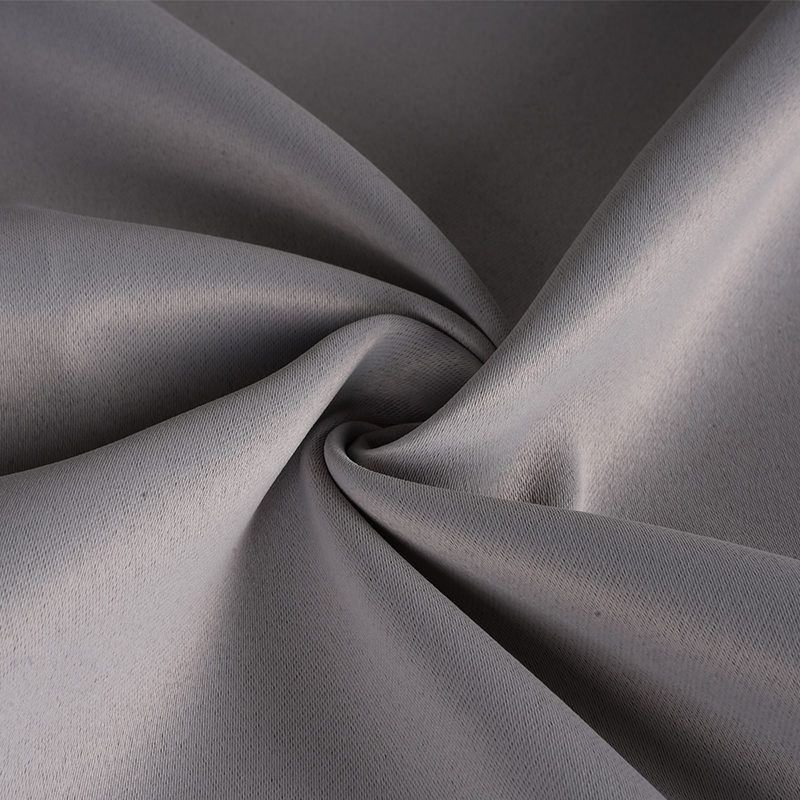
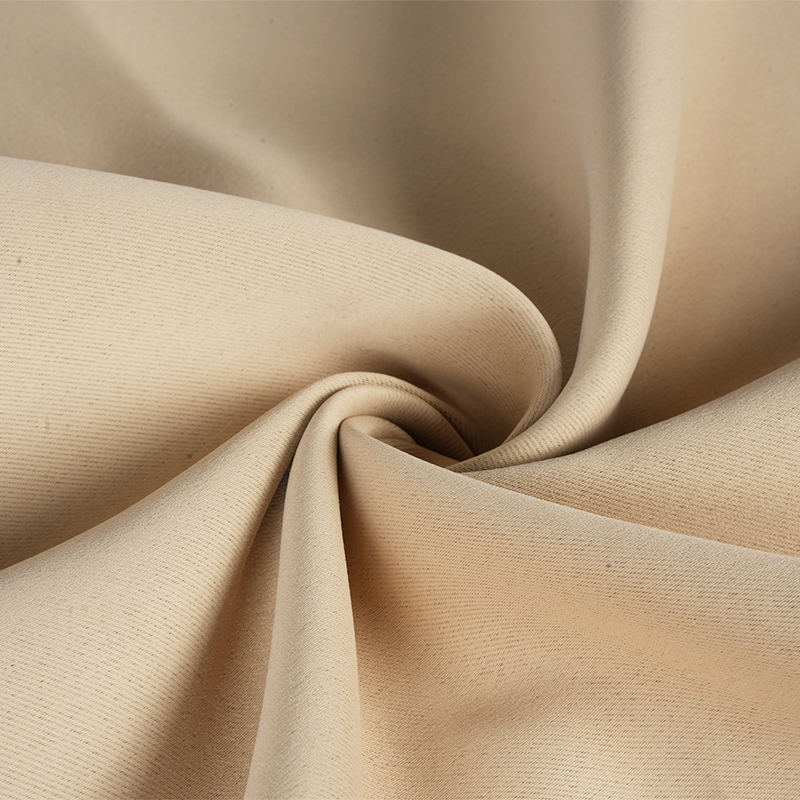
This is the most common blackout curtain used in hotels and commercial spaces. A polyester face fabric with a white or colored back coating blocks light reliably and is easy to clean. Choose a coating that is flexible; some stiff coatings crack or peel after repeated washing, which creates light leaks. A 300 gsm coated polyester will generally provide excellent darkness at a reasonable cost.
Linen Blends and Velvet Layers
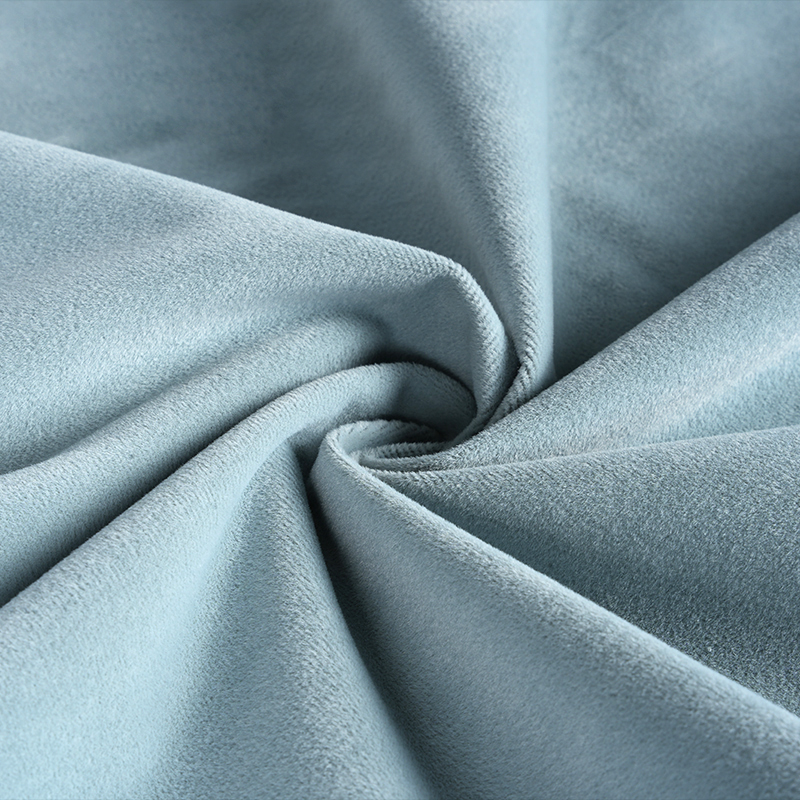
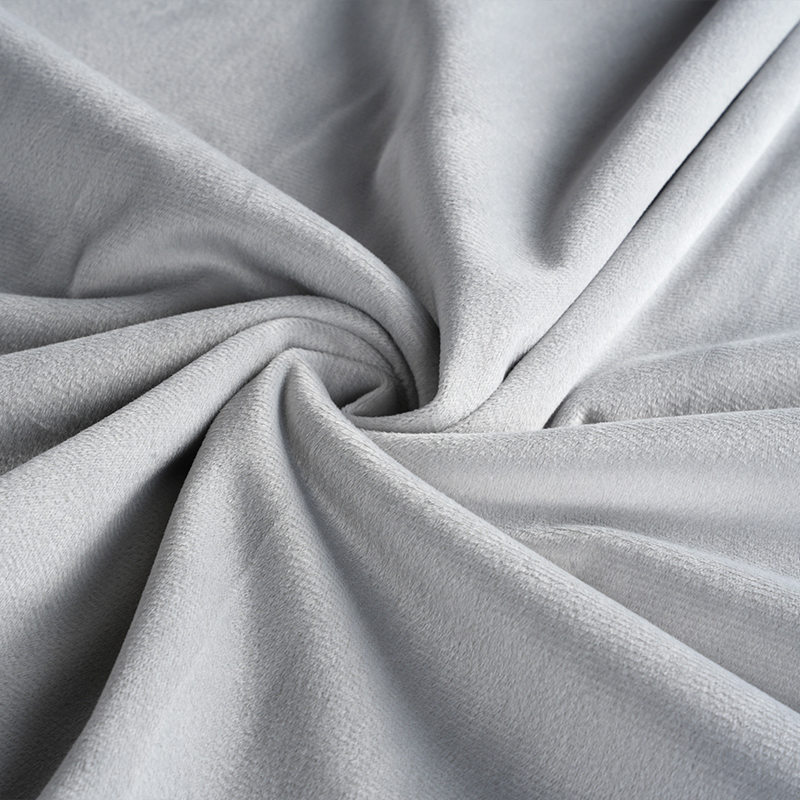
Heavy linen with a separate blackout lining gives a natural look and a denser feel. Linen does not fully block light on its own, so the lining handles that role. Velvet over blackout fabric adds weight and sound absorption, which is useful when noisy traffic continues during the day. These options tend to be more expensive but deliver a more "sanctuary" feel for sleep.
A quick comparison of common blackout curtain fabric types
| Fabric Type |
Typical Weight |
Light Blocking |
Best Use |
| Coated polyester |
200–300 gsm |
95–100% |
Budget-friendly, easy care, suitable for rentals |
| Triple-weave polyester |
250–350 gsm |
99–100% |
Good heat insulation, no coating odor |
| Heavy linen with blackout lining |
300–400 gsm |
98–100% |
Natural style, durable, higher cost |
| Velvet with blackout lining |
300–450 gsm |
100% |
Adds warmth, muffles sound, premium look |
The Right Fit and Installation Details
Even a 100% blackout fabric will fail if light leaks around the edges. For night shift workers, installation is just as important as the fabric itself. These are the measurements to aim for:
- Mount the rod 15–20 cm above the window frame to prevent light from spilling over the top.
- Select a curtain width that is at least 1.5–2 times the window width. Extra width creates folds that cover the side seams.
- Allow 8–10 cm of overlap beyond the window frame on both sides. This blocks diagonal sunlight that enters through the gap between the panel and the wall.
- Let the hem touch the floor or extend at least 15 cm below the windowsill for a proper light seal.
If you are using a single panel rather than two, consider a rod with a return bracket to hold the panel against the wall. Curtain rings with clips may leave gaps; a rod pocket or eyelet header that keeps the fabric close to the wall is generally better for total darkness.
Beyond Darkness: Managing Heat, Noise, and Humidity
Blackout curtains solve the light problem, but daytime sleep also depends on temperature and sound. Dense blackout fabrics block solar radiation from the sun, so the room stays cooler on hot summer mornings. If overheating is a concern, choose a white or light-colored face fabric with a dark backing; the light exterior reflects heat, while the dark interior blocks light.
Noise is trickier. Heavy fabrics thicken the window covering and absorb some high-frequency street noise, but they will not stop low-frequency traffic rumble. If noise is a major issue, combine blackout curtains with a secondary window treatment such as cellular shades or a fitted fabric panel. For humidity, avoid completely sealed installations in humid climates; a small gap at the top can allow air exchange and prevent mold on the fabric.
How to Evaluate a Supplier Before You Buy
When ordering blackout curtain fabric wholesale or buying ready-made panels in bulk, the difference between a good supplier and a bad one often shows up in the details. Request a physical sample first. Check the fabric weight by feel, not just the quoted number. Lightly rub the coated side—low-quality coatings can flake off. Fold the sample and hold it to a bright lamp; if you see a line of light through the crease, the material is not suitable for night shift use.
Ask the supplier whether their fabric is tested for light transmission or blackout rate. A credible manufacturer will provide a test method and the measured result. Also ask about dimensional stability. A curtain that shrinks after washing will pull away from the window edges and expose gaps. If the supplier offers a " full blackout" or "100% blackout" series, confirm the specification applies to the finished fabric, not just the face cloth.
Choosing blackout curtains for night shift work is not a matter of buying the darkest-looking fabric. It is a matter of combining true light-blocking materials with a window covering that can seal off the edges. Start with a heavy, well-constructed fabric, verify it with a simple flashlight test, and install it with enough overlap. Your sleep is worth the few extra minutes of measurement.

 English
 Español
 عربى
عربى

 Leave a message
