1. What is Blackout Curtain Fabric? How Does it Effectively Block Light?
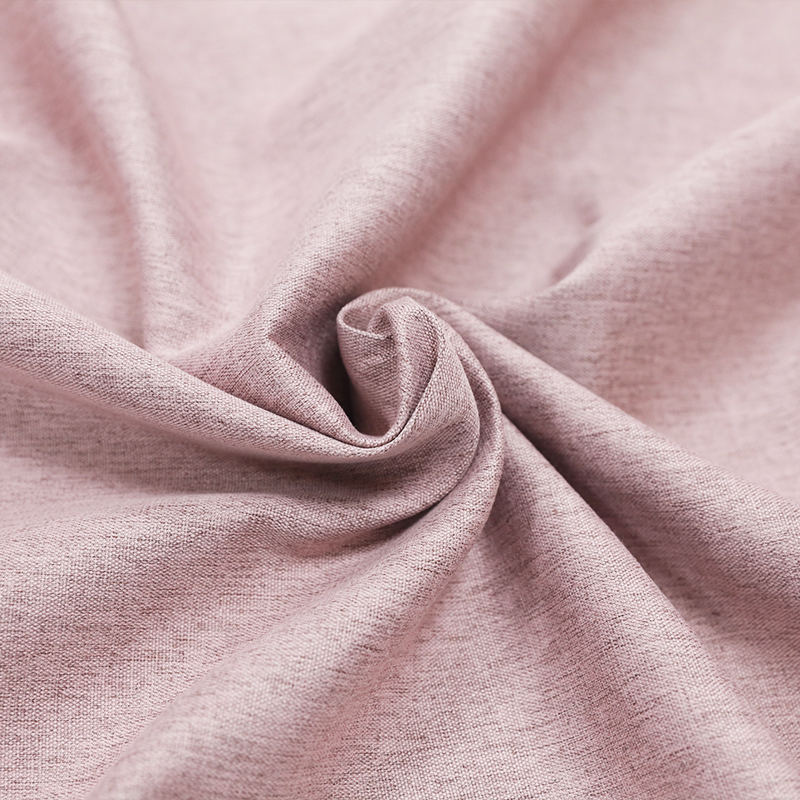
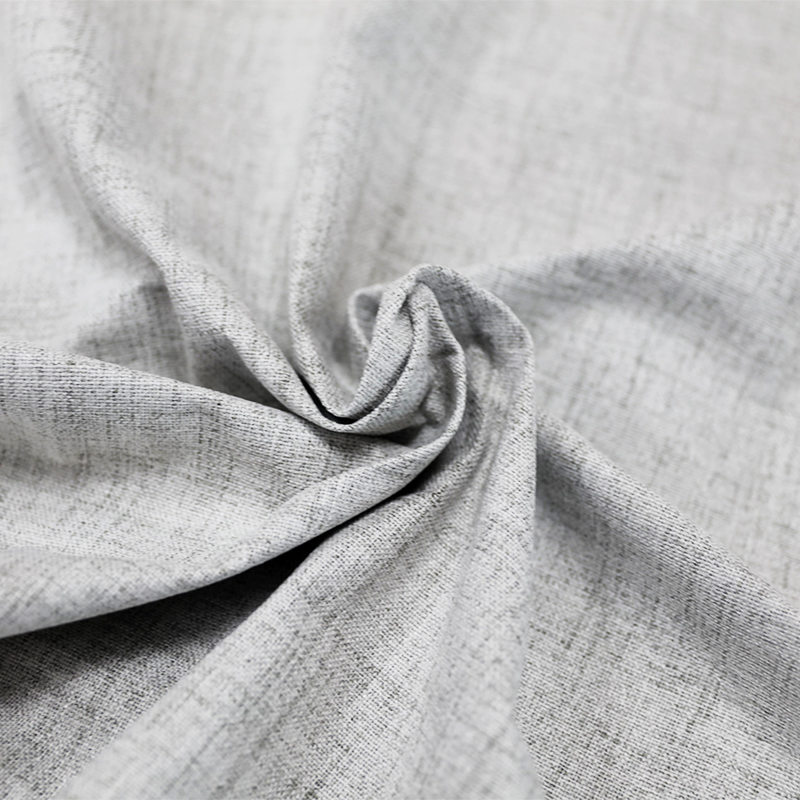
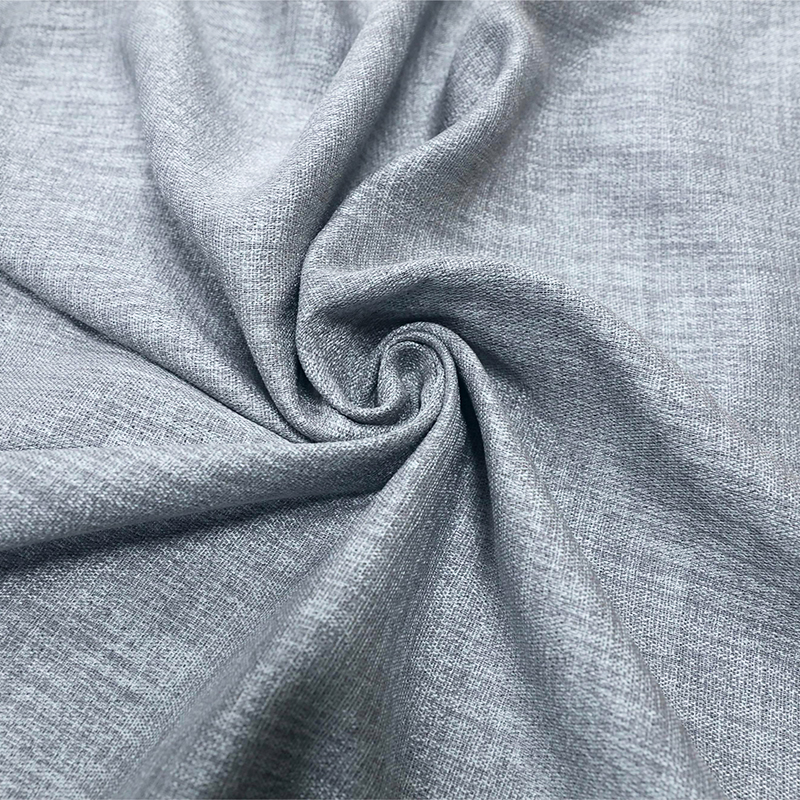
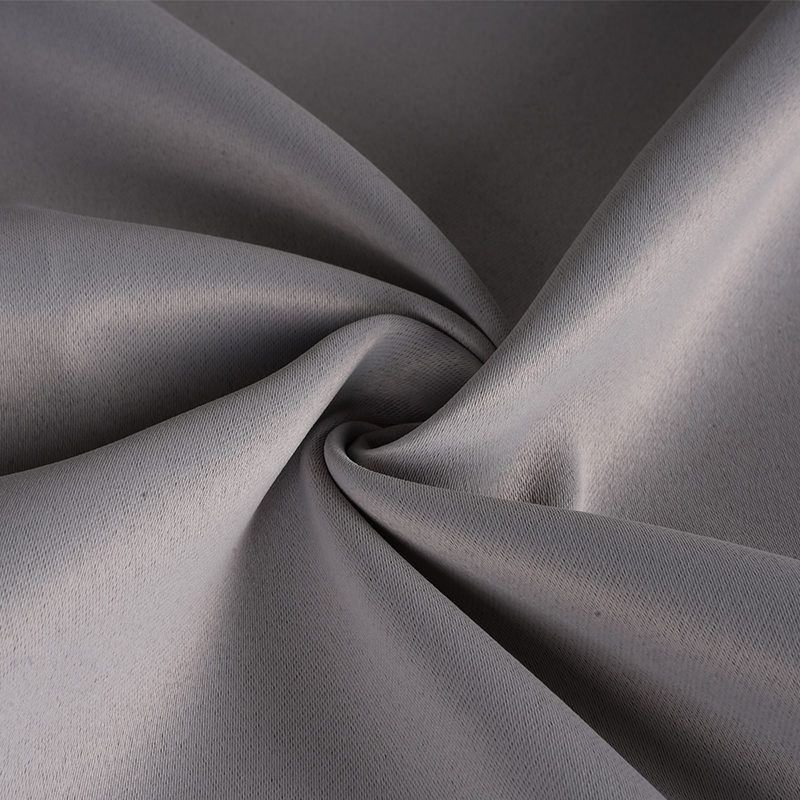
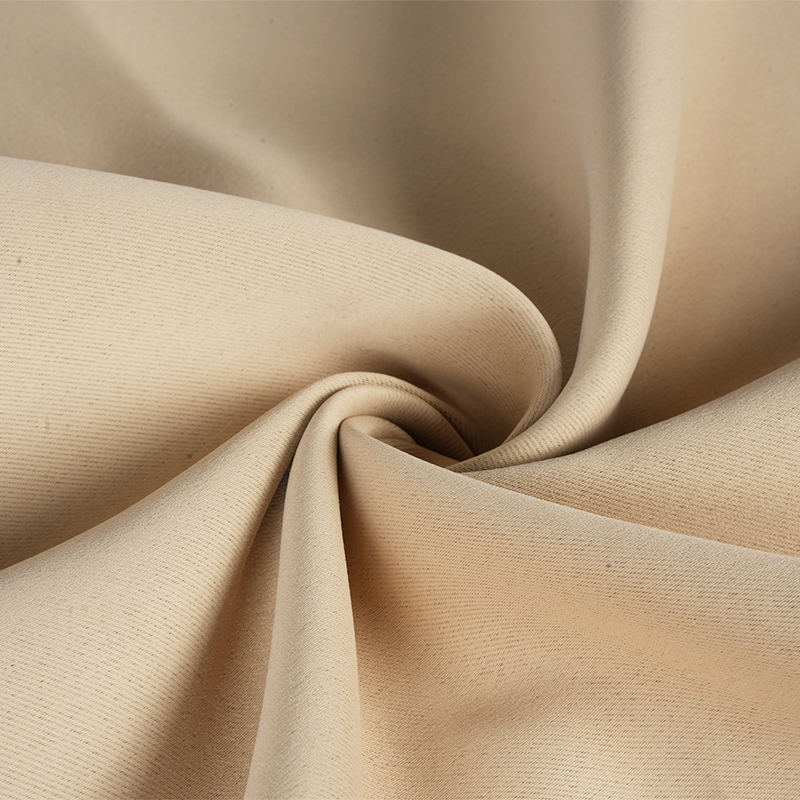
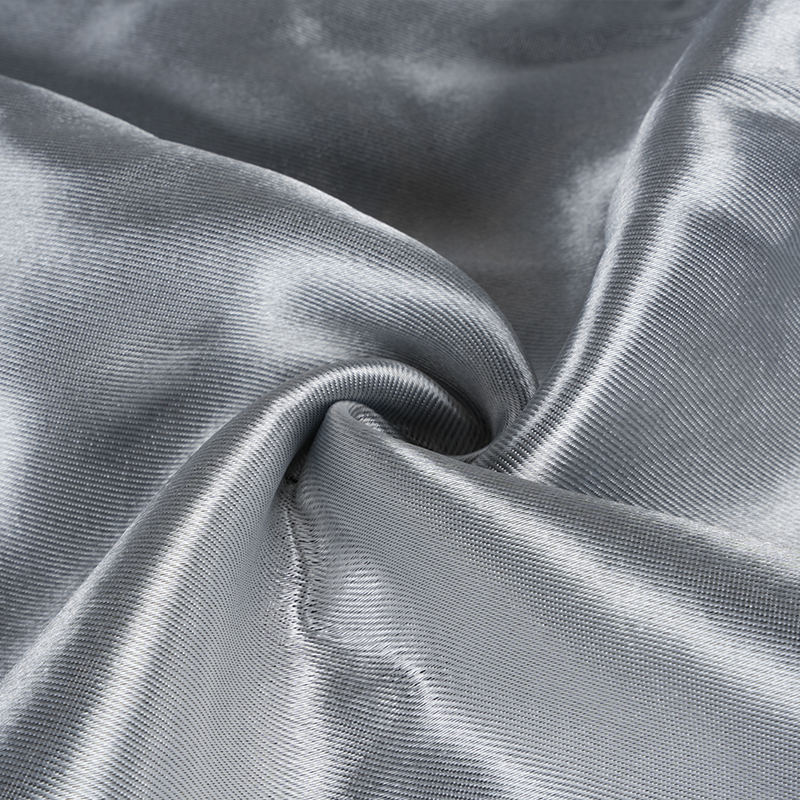
Blackout Curtain Fabric, as the name suggests, refers to the material specifically used for making blackout curtains, which can completely block external light. Unlike regular curtain fabrics, this material is typically made with multiple layers or special coatings designed to block light efficiently. The surface of the fabric is often coated with a special PVC layer or woven with denser fibers to ensure its light-blocking properties. Additionally, some blackout fabrics use thicker designs to enhance insulation and soundproofing.
The primary advantage of this fabric is its ability to block sunlight or other light sources completely, making it ideal for rooms that require a completely dark environment, such as bedrooms, home theaters, or any space that needs to block out light. Compared to regular curtains, Blackout Curtain Fabric not only blocks light effectively but also helps reduce heat transfer, maintaining a stable room temperature.
2. Can Blackout Curtain Fabric Fully Block Noise?
While Blackout Curtain Fabric is primarily designed to block light, certain high-quality blackout fabrics can also help reduce noise. The noise-blocking effect mainly comes from its thick structure and multi-layered design. These curtains help seal the gaps in the window, preventing external noise from entering the room. However, the noise-blocking ability of Blackout Curtain Fabric is not as significant as that of specialized soundproof materials, although it can still be somewhat effective at reducing light noise.
In fact, some blackout fabrics are not only black but also incorporate soundproofing features. These fabrics are specially designed with high-density materials and additional soundproofing layers. For bedrooms or home theaters that require a quieter environment, choosing blackout fabric with soundproofing properties would be more suitable.
Blackout Curtain Fabric vs. Noise-Blocking Curtains
| Feature |
Blackout Curtain Fabric |
Noise-Blocking Curtains |
| Primary Function |
Blocks light |
Blocks noise |
| Structure |
Multi-layer or PVC coating |
Special soundproof materials |
| Noise-Blocking Effect |
Some noise reduction |
Superior to regular blackout fabrics |
| Suitable Environments |
Bedrooms, home theaters |
Areas requiring a quiet environment |
| Common Materials |
Polyester, PVC coatings, etc. |
Acoustic foam, heavy fabrics |
While Blackout Curtain Fabric does offer some noise-blocking benefits, it is not specifically designed as a soundproofing material. If your primary need is to block noise in a very noisy environment, investing in dedicated noise-blocking curtains may be a more effective solution.
3. How to Choose the Right Blackout Curtain Fabric to Improve Sleep Quality?
Choosing the right Blackout Curtain Fabric is essential for improving sleep quality. First, consider the light intensity in the room. For instance, if the room faces windows with direct sunlight, selecting a thick fabric with strong light-blocking properties will be more effective. There are many types of blackout fabrics available on the market, with some being known for their high-density weave, while others use double-layer designs to enhance light-blocking ability. For people who work during the day, opting for a fabric with superior light-blocking capabilities is especially important to ensure the room remains dark even during daylight hours.
Apart from light-blocking, the material of the fabric also plays a crucial role in sleep quality. Polyester is a commonly used fabric for blackout curtains as it is lightweight and durable. However, if you are looking for temperature regulation, you might consider fabrics with double layers or thermal properties. These fabrics help keep the room cooler in the summer and provide additional warmth in the winter. For individuals with sensitive skin, choosing blackout fabric made from natural materials or non-toxic coatings would be a more ideal option.
4. Can Blackout Curtain Fabric Help Improve Room Temperature?
Yes, Blackout Curtain Fabric not only blocks light but also helps regulate the temperature in the room. Due to its special construction, many blackout fabrics provide additional insulation. The fabric’s density and structure can effectively block heat from entering or escaping through the windows, helping to maintain a stable room temperature.
In colder months, blackout fabrics can prevent heat from escaping through windows, while in hot weather, they can block the external heat, keeping the room cooler. This temperature regulation function is especially beneficial for rooms with large windows or those exposed to direct sunlight. Using blackout fabric with insulating properties can also reduce the need for air conditioning and heating, thus lowering energy consumption.
FAQ: Frequently Asked Questions
1. What’s the difference between Blackout Curtain Fabric and regular curtain fabric?
- Blackout Curtain Fabric is specifically designed to block light, usually thicker and multi-layered, while regular curtain fabrics may not have light-blocking capabilities, or only offer partial light reduction.
2. How do I clean Blackout Curtain Fabric?
- Most blackout fabrics can be machine washed, but it is important to check the cleaning instructions on the label. Some fabrics may require dry cleaning or gentle hand washing.
3. Is Blackout Curtain Fabric suitable for all windows?
- Most windows can benefit from Blackout Curtain Fabric, but it’s important to choose a fabric that fits the size and style of the window for the best result.
References
- Williams, J. (2020). The Impact of Blackout Curtains on Sleep Quality. Journal of Sleep Research, 28(2), 123-134.
- Thomas, L. (2019). Energy Efficiency Through Blackout Curtains. Home Improvement Monthly, 12(7), 45-50.
- Smith, A., & Zhang, H. (2021). Materials in Modern Window Treatments: Functionality and Aesthetics. Architectural Fabrication Review, 15(4), 22-35.

 English
 Español
 عربى
عربى

 Leave a message
