To achieve a flowing look with gauze curtain fabric, the three most critical factors are hanging height, fabric fullness ratio, and the correct heading style. Mount the rod or track at ceiling height or as close to it as possible, use a fullness ratio of at least 2:1 (fabric width to window width), and choose a simple heading — such as rod pocket, tab top, or eyelet — that allows the lightweight gauze to fall in natural, unstructured folds. Get these three elements right, and gauze curtain fabric will create the effortlessly airy, romantic drape that makes it one of the most sought-after fabrics in contemporary interior design.
What Makes Gauze Curtain Fabric Ideal for a Flowing Look?
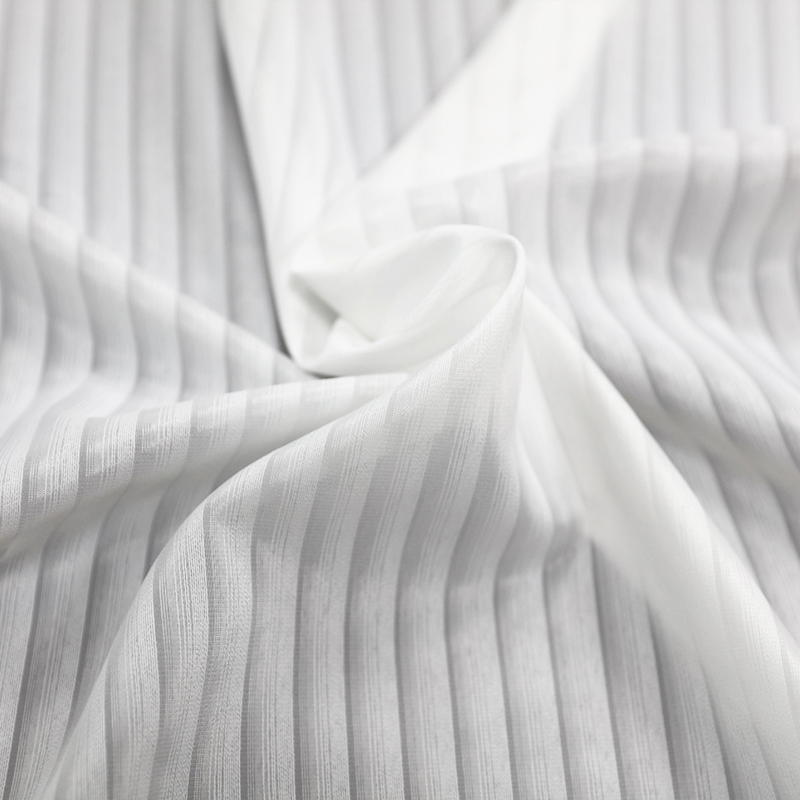
Gauze is an open-weave textile with a low thread count and minimal fibre density — typically 30–80 g/m², compared to 150–300 g/m² for standard curtain fabrics. This extreme lightness means the fabric responds to the slightest air movement, drapes in soft, fluid folds under its own minimal weight, and diffuses light into a gentle, glowing wash rather than filtering or blocking it.
The most common fibre types used in gauze curtain fabric each contribute distinct drape qualities:
- Cotton gauze: The softest and most breathable option. Falls in relaxed, slightly crinkled folds that suit bohemian and natural interiors. Weight typically 40–70 g/m².
- Linen gauze: Has a subtle natural texture and slightly more body than cotton gauze, producing folds with gentle definition. Weight typically 60–90 g/m². Particularly effective in coastal and Scandinavian interiors.
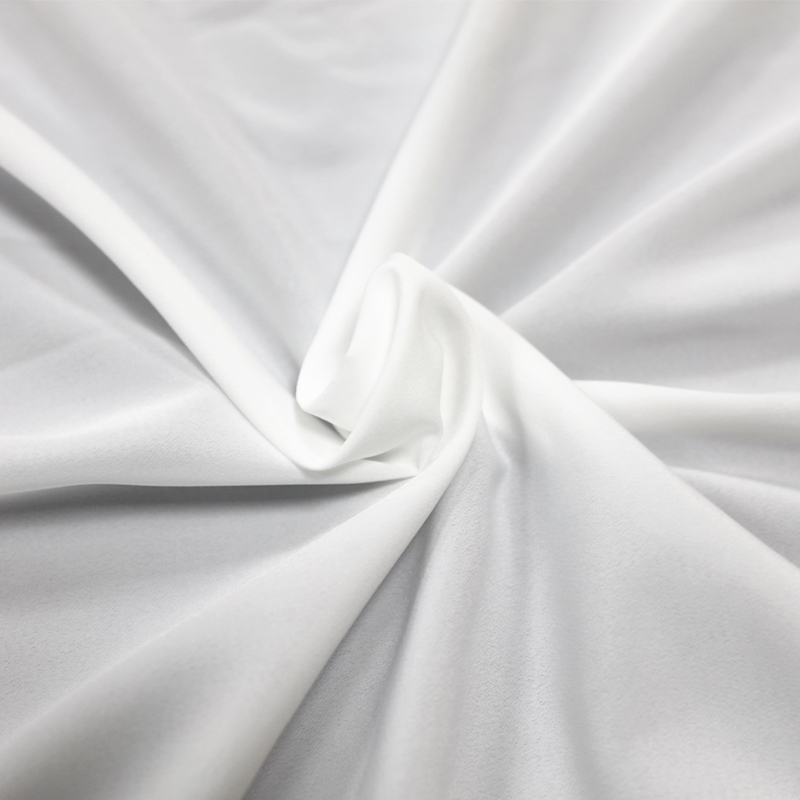
- Polyester gauze / voile: The most fluid and silky-falling option. Produces long, smooth folds with minimal texture. Weight typically 30–60 g/m². The easiest to care for and the most widely available.
- Silk gauze: The finest and most luminous option. Produces elegant, lustrous folds with a subtle sheen. Weight typically 20–50 g/m². Reserved for formal or high-end applications due to cost and delicate care requirements.
- Cotton-linen blend gauze: Combines the softness of cotton with the texture of linen for a relaxed, organic drape. The most popular choice for contemporary and Japandi-style interiors.
Step 1 — Choose the Right Hanging Height
Hanging height is the single most transformative decision in gauze curtain styling. The visual effect of gauze curtains changes dramatically depending on where the rod or track is mounted relative to the window and ceiling.
Ceiling-Height Mounting (Recommended)
Mount the curtain rod or track 5–10 cm below the ceiling, or directly on the ceiling using a ceiling-mounted track. This creates the illusion of taller walls, draws the eye upward, and allows the full length of the gauze to flow uninterrupted from ceiling to floor. In rooms with standard 2.4 m ceilings, ceiling-height gauze curtains add significant visual height and make the room feel more spacious.
Above-Window Mounting
If ceiling mounting is not practical, mount the rod at least 15–20 cm above the window frame — never directly on the frame itself. Mounting too close to the window creates a heavy, compressed look that contradicts the airy quality of gauze and shortens the visual height of the room.
Curtain Length Options
- Just touching the floor (0–1 cm clearance): Clean, contemporary look. Practical for high-traffic areas where puddling fabric would be a trip hazard.
- Slight break (2–5 cm puddle): The most commonly recommended length for gauze curtains. The small amount of fabric resting on the floor softens the look and reinforces the flowing aesthetic without creating a maintenance burden.
- Puddle / train (15–30 cm excess): A deliberately romantic, luxurious effect. Requires extra fabric allowance of 15–30 cm per panel and suits formal bedrooms, dressing rooms, and canopy beds. Not suitable for areas with foot traffic or pets.
Step 2 — Calculate the Correct Fabric Fullness
Fullness ratio — the relationship between the total fabric width and the track or rod width — is what creates the gathered, flowing folds that define the gauze curtain aesthetic. Too little fabric and the curtain hangs flat and limp; too much and the folds become dense and lose their airy quality.
Recommended Fullness Ratios for Gauze
| Heading Style |
Fullness Ratio |
Visual Effect |
Best For |
| Rod pocket / casing |
2.0–2.5× |
Soft, gathered ripples |
Bohemian, romantic, casual |
| Eyelet / grommet |
2.0–2.5× |
Regular S-fold waves |
Contemporary, Scandinavian |
| Tab top |
1.5–2.0× |
Relaxed, open folds |
Casual, coastal, minimal |
| Pencil pleat |
2.5–3.0× |
Dense, tight ripples |
Traditional, formal |
| Clip ring / pinch-free |
2.0–3.0× |
Natural, unstructured drape |
Bohemian, artistic, layered |
Recommended fullness ratios and visual effects for different heading styles used with gauze curtain fabric.
How to Calculate Fabric Quantity
Use this formula to determine how much gauze fabric to buy:
- Total fabric width needed = Track/rod width × fullness ratio
- Cut length per panel = Finished drop + heading allowance (5–8 cm) + hem allowance (8–15 cm) + any puddle allowance
- Number of fabric widths = Total fabric width needed ÷ fabric width (typically 140–150 cm)
Example: A 180 cm wide window with ceiling-height hanging (drop of 250 cm), eyelet heading at 2.5× fullness, and a 3 cm puddle: total fabric width = 450 cm; cut length = 250 + 6 + 12 + 3 = 271 cm; fabric widths needed = 450 ÷ 150 = 3 widths. At 150 cm wide fabric, order 3 × 2.71 m = 8.13 m of fabric.
Step 3 — Select the Best Heading Style for Gauze
The heading is the top of the curtain where it attaches to the rod or track. For gauze curtain fabric, the heading must be lightweight and unstructured — heavy buckram-stiffened headings or formal pinch pleats add rigidity that contradicts the fluid nature of the fabric.
Rod Pocket (Casing) Heading
The rod is threaded directly through a sewn fabric tunnel at the top of the curtain. This creates a gathered, ruched effect at the heading that is highly suited to the casual, romantic aesthetic of gauze. Rod pocket headings are the most popular choice for gauze curtains in bedrooms and bohemian-style rooms. Key consideration: rod pocket curtains do not slide easily on the rod, making them best suited to stationary or rarely moved panels.
Eyelet (Grommet) Heading
Metal rings punched into the fabric heading allow the rod to pass through, creating regular S-shaped folds between each eyelet. Eyelet headings slide smoothly on the rod and produce a contemporary, clean look that suits Scandinavian, coastal, and minimalist interiors. Use large eyelets (40–50 mm diameter) with gauze to avoid bunching the lightweight fabric at each ring.
Tab Top Heading
Fabric loops sewn to the top of the curtain hang over the rod, creating a relaxed, open heading with visible loops as a design feature. Tab top headings suit casual and coastal interiors and are particularly effective with natural gauze fabrics — cotton, linen, or cotton-linen blend — where the visible fabric tabs complement the organic aesthetic of the curtain.
Clip Ring Heading
Curtain rings with integrated clips attach directly to the top edge of the fabric without any sewn heading, making this the simplest and most flexible option — particularly useful for DIY installations and for gauze panels that will be changed frequently. Clip rings allow the fabric to hang from its raw or hemmed top edge, producing a natural, unstructured drape that suits artistic and eclectic interiors. Space clips every 10–15 cm to prevent the lightweight fabric from sagging between attachment points.
Step 4 — Choose the Right Curtain Hardware
Because gauze curtain fabric is extremely lightweight, the hardware requirements are less about load-bearing capacity and more about aesthetic compatibility and smooth operation.
Curtain Rods
For gauze curtains, a slimline rod of 16–20 mm diameter is ideal — thicker rods can overpower the delicacy of the fabric visually. Brass, matte black, natural wood, and brushed nickel finishes all work well with gauze, depending on the interior style:
- Brass or gold: Warm, romantic; suits bohemian, maximalist, and Art Deco-inspired interiors.
- Matte black: High contrast; suits contemporary, industrial, and Japandi interiors.
- Natural wood or rattan: Organic, warm; suits bohemian, coastal, and Wabi-sabi interiors.
- Brushed nickel or chrome: Clean, neutral; suits Scandinavian and minimalist interiors.
Ceiling-Mounted Tracks
For the cleanest, most architectural look — particularly in rooms with high ceilings or for floor-to-ceiling gauze installations — a ceiling-mounted curtain track is the preferred option over a rod. Track systems allow curtains to traverse smoothly across the full window width and can be curved or angled to follow bay windows or wrap around corners. White or silver aluminium tracks virtually disappear against a white ceiling, keeping the visual focus on the fabric.
Rod Extension Beyond Window
Extend the rod or track 15–25 cm beyond each side of the window frame. This allows the curtain panels to stack back fully onto the wall when open — maximising the window's light and view — and prevents the hanging fabric from blocking window edges when closed. For a 150 cm wide window, the rod should be at least 180–200 cm wide.
Step 5 — Layer Gauze Curtains for Maximum Effect
One of the most effective styling techniques for gauze curtain fabric is layering — combining gauze with a second curtain layer to achieve both the visual softness of sheer fabric and practical light control or privacy. This is the approach used in the majority of professionally styled rooms featuring gauze curtains.
Gauze + Blackout Curtain Layer
The most practical combination. A set of gauze panels on the front track provides the soft, diffused light aesthetic during the day. A set of heavier, blackout or room-darkening curtains on a second track or rod bracket behind the gauze provides light control and privacy at night. This two-track system is the standard approach in hotel guest rooms and is equally effective in residential bedrooms. Double track brackets are available from most curtain hardware suppliers and add minimal visual bulk at the wall.
Gauze + Linen or Cotton Curtain Layer
For rooms where blackout is not required but some visual weight and privacy are desirable, layering gauze with a medium-weight linen or cotton curtain in a complementary colour creates a rich, textured window treatment. The linen or cotton layer adds depth and warmth while the gauze softens the overall look and diffuses light beautifully when the heavier curtains are drawn back.
Double Gauze Layering
Two layers of gauze in different weights, textures, or tones — for example, a heavier cotton gauze behind a finer polyester gauze — create subtle depth and visual interest while maintaining the full translucency and airiness of a sheer treatment. This technique works particularly well in rooms with a monochromatic or tonal colour scheme, where the interplay of textures provides interest without introducing pattern or contrast.
Styling Gauze Curtains by Interior Design Style
Bohemian and Maximalist
Use white or off-white cotton gauze with a rod pocket heading on a brass or wooden rod mounted at ceiling height. Allow a generous puddle of 20–30 cm on the floor. Layer with macramé tie-backs, tasselled trim, or embroidered detail on the gauze itself. Mix with patterned rugs, plants, and warm-toned furnishings to create an enveloping, layered aesthetic.
Scandinavian and Minimalist
Use white or pale grey polyester gauze with an eyelet heading on a slimline matte black or brushed steel rod at ceiling height. Hang to just touch the floor — no puddle. Keep panels simple and unembellished. The gauze should be the only window treatment, with no secondary layer, to maintain the pared-back aesthetic. Maximum fullness ratio of 2.0–2.5× to create clean, regular S-folds.
Coastal and Relaxed
Use natural linen gauze or cotton-linen blend gauze in sandy, cream, or pale blue tones with a tab top or clip ring heading on a driftwood-finish or natural rattan rod. Allow a 3–5 cm break on the floor. Tie back loosely with a simple jute or rope tie-back to let sea breezes billow the fabric gently. Layer with woven blinds in natural materials for light control.
Romantic and Traditional
Use silk gauze or fine polyester gauze with a subtle sheen in blush, ivory, or champagne tones with a pencil pleat heading on an ornate gold or antique brass rod. Allow a significant puddle of 25–35 cm. Add a decorative goblet-pleat heading treatment or hand-stitched hem detail. Layer with velvet or silk drapes in a complementary deep tone for a full, luxurious window treatment.
Japandi (Japanese-Scandinavian)
Use undyed or naturally dyed cotton-linen blend gauze in raw linen, warm white, or soft sage tones on a ceiling-mounted track system — no visible rod. Hang to the floor with zero puddle and minimal fullness (1.5–2.0×) to create clean, uncluttered vertical lines. The gauze should diffuse light gently without drawing attention to itself — texture and natural colour variation in the fabric provide subtle visual interest in keeping with the Wabi-sabi aesthetic.
Practical Styling Details That Make a Difference
Tie-Backs and Hold-Backs
When gauze panels are tied back to reveal the window, the position of the tie-back significantly affects the silhouette. Position tie-backs at 55–65% of the curtain drop from the top (not the halfway point) to create an elegant, asymmetric cascade of fabric below the tie. Use soft tie-backs — fabric, rope, or jute — rather than rigid metal hold-backs, which can crease or pull the delicate gauze fabric.
Hemming Gauze Curtain Fabric
Because gauze is lightweight and semi-transparent, the hem is visible through the fabric and must be finished neatly. Options include:
- Double-fold hem (recommended): Fold the fabric twice to enclose the raw edge, then hand-stitch or machine-stitch. A double fold of 4 cm + 4 cm adds a small amount of weight to the hem that helps the fabric hang straight.
- Narrow rolled hem: A machine-stitched 6–8 mm rolled hem is the most discreet finish and is ideal for very fine gauze where a deeper hem would create an obvious horizontal line visible through the sheer fabric.
- Raw hem with deliberate fraying: Suited to natural cotton and linen gauze in bohemian contexts. A frayed hem of 1–2 cm adds a relaxed, artisanal quality to the fabric edge.
- Weighted hem tape: A fine lead-weight tape or chain sewn into the hem adds mass to prevent the gauze from lifting in draughts — particularly useful for floor-level panels in rooms with underfloor heating or air conditioning outlets near windows.
Pressing and Steaming
Never iron gauze curtain fabric flat — this removes the natural softness of the weave and can scorch fine fibres. Instead, use a handheld garment steamer with the curtains hanging in place. Hold the steamer 5–10 cm from the fabric surface and work from top to bottom, allowing the steam to relax creases and restore the fabric's natural drape. This is the method used by professional interior stylists and is safe for all gauze fibre types.
Care and Maintenance of Hung Gauze Curtains
| Fibre Type |
Washing Method |
Temperature |
Drying |
Shrinkage Risk |
| Cotton gauze |
Machine wash, gentle cycle |
30°C max |
Line dry, rehang damp |
3–5% (pre-wash fabric) |
| Linen gauze |
Machine wash, gentle cycle |
30°C max |
Line dry, steam in place |
3–7% (pre-wash fabric) |
| Polyester gauze |
Machine wash, gentle cycle |
40°C max |
Line dry or low tumble |
Less than 1% |
| Silk gauze |
Hand wash or dry clean |
Cold water only |
Dry flat, never tumble |
High — handle with care |
| Cotton-linen blend |
Machine wash, gentle cycle |
30°C max |
Line dry, rehang damp |
3–5% (pre-wash fabric) |
Washing, drying, and shrinkage guidance for gauze curtain fabrics by fibre type. Always pre-wash natural fibre gauze before cutting to finished length.
Pro tip: Rehang gauze curtains while still slightly damp after washing. The weight of the damp fabric pulls out minor creases and re-sets the vertical drape as it dries in place — eliminating the need for steaming in most cases.
Common Mistakes to Avoid
- Mounting the rod at window-frame height: This is the most common mistake in gauze curtain installation. A rod mounted at or just above the window frame creates a squat, compressed look that negates the flowing quality of the fabric. Always mount at ceiling height or at minimum 15–20 cm above the frame.
- Using too little fabric: Gauze curtains at 1:1 or 1.2:1 fullness hang flat and limp with no folds. The minimum effective fullness ratio for any flowing aesthetic is 1.5:1, with 2:1 to 2.5:1 being the sweet spot for most applications.
- Not pre-washing natural fibre gauze: Cotton and linen gauze can shrink by 3–7% on first washing. Curtains cut to length before pre-washing will be noticeably short after the first laundry cycle.
- Using a rod that is too short: A rod that ends at the window frame forces the curtain fabric to hang in front of the frame, blocking light even when the curtains are "open." Extend the rod at least 15 cm beyond each side of the window opening.
- Ironing gauze flat on an ironing board: Flat ironing gauze crushes the open weave and can scorch fine fibres. Always use a steamer with the curtains hanging in place.
- Neglecting weighted hem tape in draughty rooms: Lightweight gauze in a room with air conditioning, underfloor heating outlets, or gaps around old windows will constantly billow and lift. A fine weighted hem tape prevents this without adding visible bulk.
Final Verdict: The Key Principles for a Flowing Gauze Curtain Look
Achieving a genuinely flowing, elegant look with gauze curtain fabric comes down to a small number of decisions executed correctly. Mount high — at ceiling height if possible. Use generous fullness — 2:1 to 2.5:1 as a minimum. Choose a simple, unstructured heading. Let the fabric touch or pool on the floor. These four principles apply regardless of interior style, fibre type, or budget.
The specific choices within those principles — cotton versus linen versus polyester gauze, rod pocket versus eyelet versus clip ring, brass rod versus ceiling track — are secondary decisions driven by aesthetic preference, practical maintenance needs, and budget. Get the fundamentals right first, and gauze curtain fabric will reward you with one of the most beautiful and timeless window treatments available in any interior style.

 English
 Español
 عربى
عربى

 Leave a message
