Picture this: you have calibrated the projector, placed the speakers, and arranged the seats. Then the first afternoon movie is ruined by a pale, washed-out image that fades whenever a cloud moves. The problem is rarely the projector; it is the window behind you. The fix is a set of genuine home theater blackout curtains. A true blackout curtain does more than darken a room; it closes the light path completely, so the screen becomes the only bright surface your eyes perceive. In our work as a curtain fabric manufacturer, we have seen buyers spend heavily on video and audio equipment, then weaken the entire experience with flimsy room-darkening drapes.
What Makes a Curtain Truly Blackout for Home Theater?
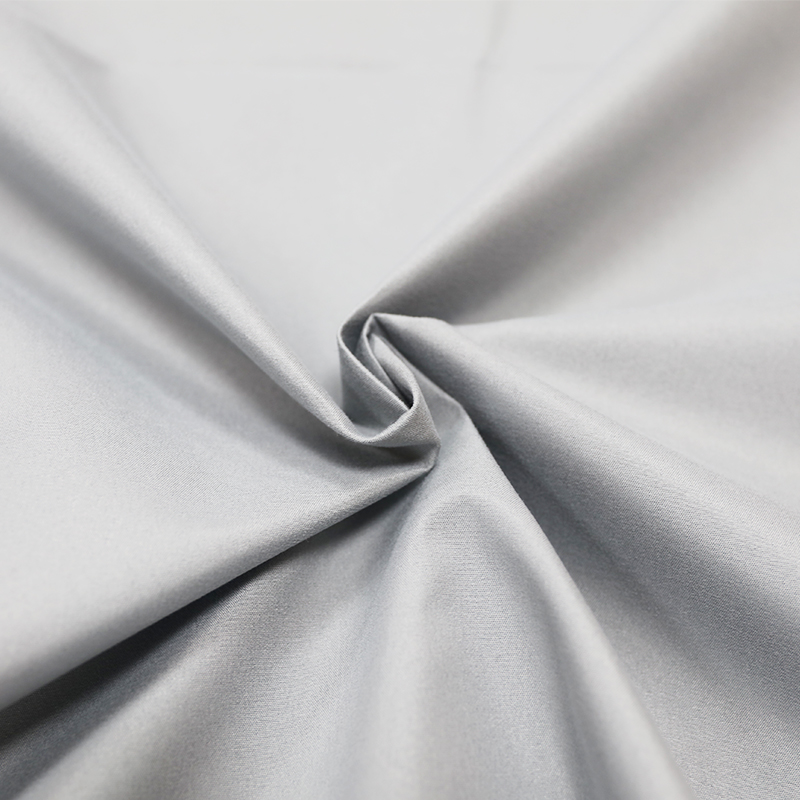
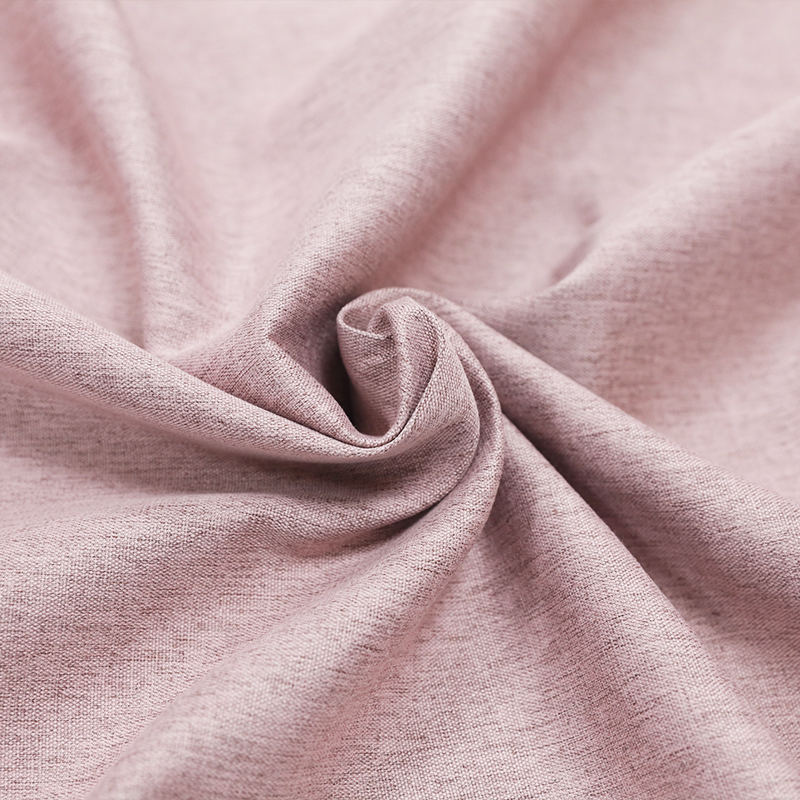
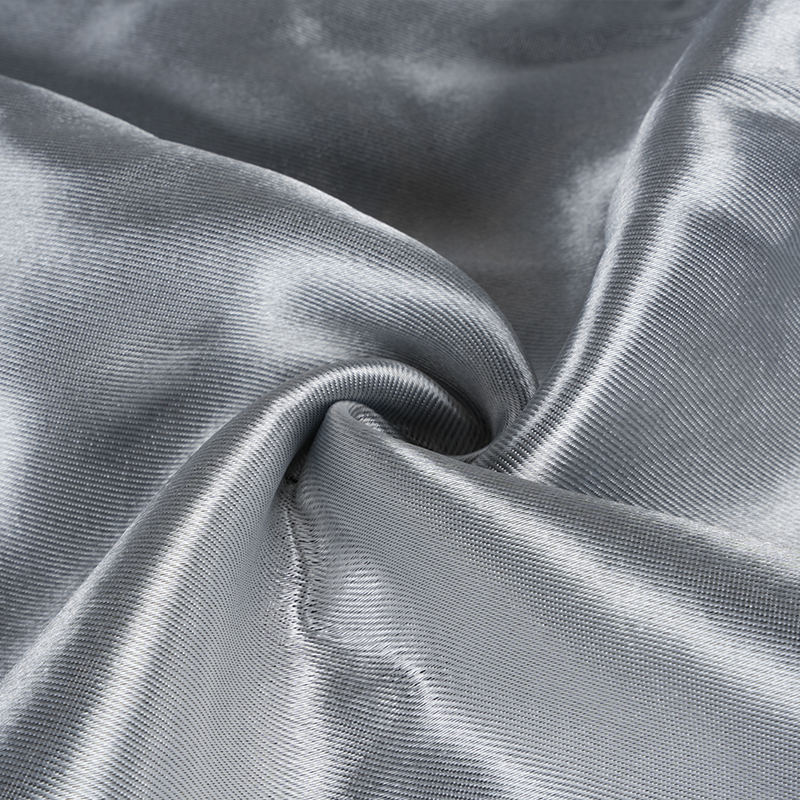
The word "blackout" is not just a marketing term. A true blackout fabric is engineered to block light at the structural level. The most reliable construction is a triple-weave polyester fabric, where three layers of yarn are interlaced in a single dense cloth. This method creates a solid core that stops light before it can pass through. The second common approach is coated blackout: a dark or white coating applied to the back of a regular curtain fabric. Coated options can work, but they tend to become stiff and may develop small cracks after repeated washing.
For a home theater, choose a fabric that blocks at least 99% of incoming light. That number matters because even a narrow beam of sunlight can reduce the perceived contrast of a projected image. If the window sits behind the screen, and side windows catch direct sun, the difference between 95% and 99% blocking is visible in the first five minutes of a movie.
Blackout curtain fabric types compared by light blocking, texture, and typical use
| Fabric Type |
Light Blocking |
Texture |
Best For |
| Triple-weave polyester |
99-100% |
Smooth, soft hand |
Dedicated home theater rooms |
| Coated polyester or cotton blend |
95-99% |
Stiffer, slightly synthetic |
Budget-friendly installations |
| Linen-look blackout |
95-99% |
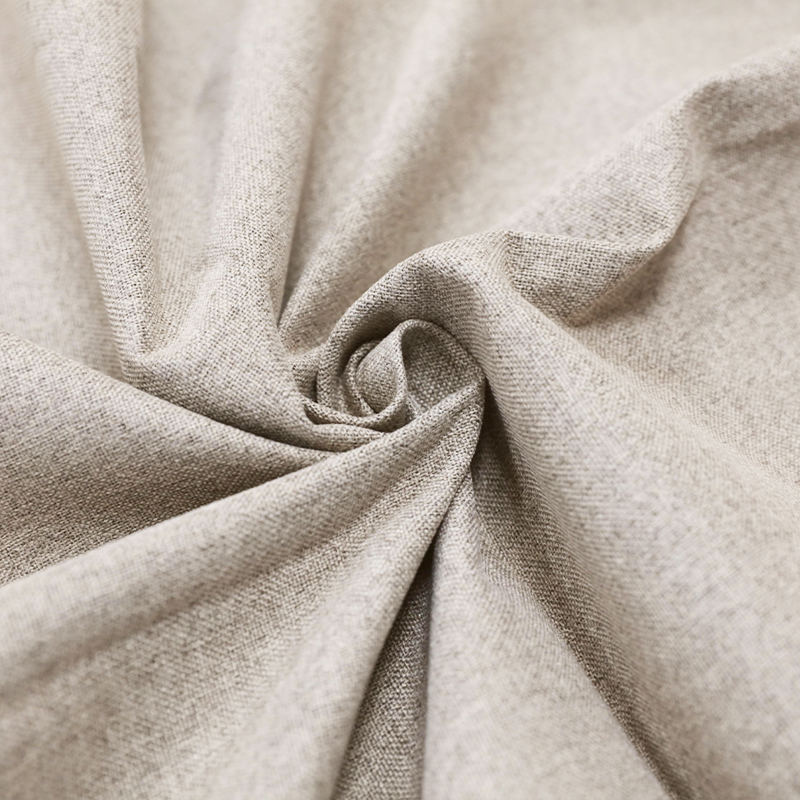
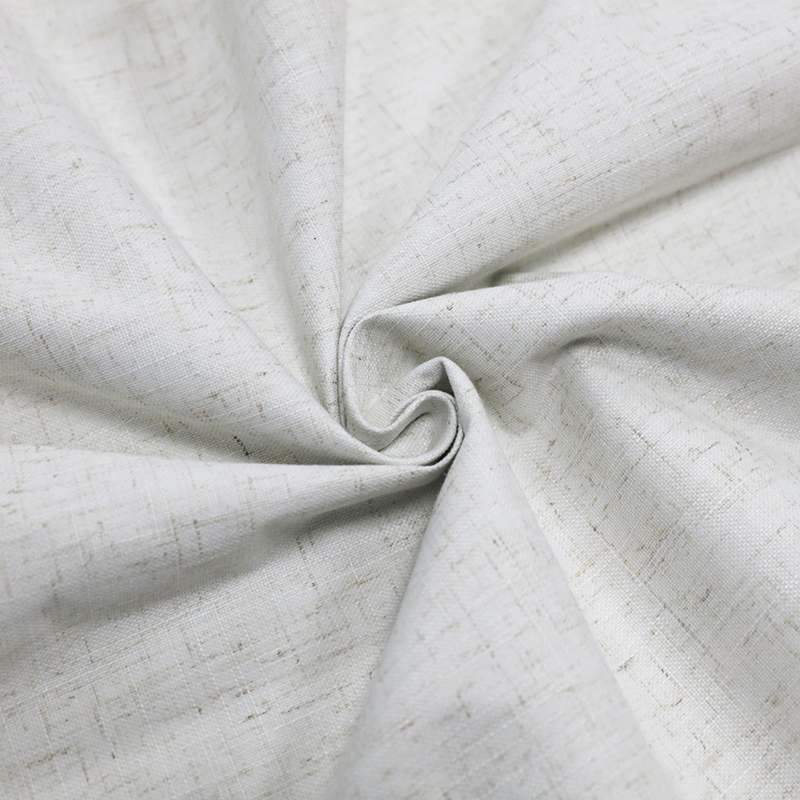
Natural texture, matte face |
Media rooms that double as living spaces |
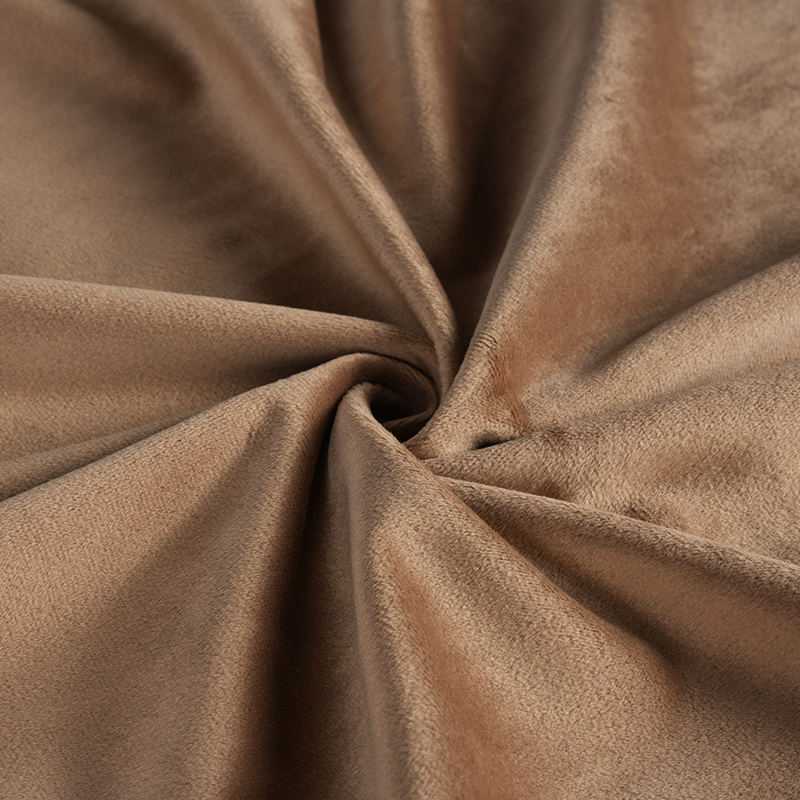
| Velvet or flannel-backed blackout |
99% |
Plush and dense |
Darkness plus some sound absorption |
The table gives you a starting point, but the most practical test is simple: hold the fabric up to a bright light. If you can see the outline of the bulb, it is not a true blackout fabric, regardless of the label on the package.
Key Factors to Consider Before Buying Home Theater Blackout Curtains
Once you confirm the fabric is genuinely blackout, the next decisions determine whether the curtains actually make the room dark. Three factors often get overlooked: width, mounting, and the small gaps along the edges.
Width and Fullness
A single flat panel stretched across a window will always leave gaps at the sides. For a home theater, plan on 2 to 2.5 times the window width. That extra fullness creates deep pleats, and those pleats form layered folds that block light paths. For example, a 60-inch window is best served by a pair of 75-inch or 90-inch panels, not a pair of 60-inch panels. The extra fabric is not a luxury; it is the difference between a complete seal and thin strips of light.
Mounting and Coverage
Mount the rod high above the window frame and extend it at least 6 to 8 inches beyond the frame on each side. This simple step closes the most common leak paths at the top and sides. Ceiling-mounted tracks perform even better because they create a continuous light barrier from floor to ceiling. If you are using a standard rod, add returns at both ends so the fabric pulls back to the wall instead of stopping at the rod tips.
Color and Heat Control
Dark colors absorb light, but they also absorb heat. A small media room can become noticeably stuffy if the window receives direct sun. In warm climates, look for a blackout curtain with a white or reflective thermal backing on the window side. The face color can still be charcoal, navy, or black without affecting the light-blocking performance, as long as the inner layers stay opaque. In colder rooms, the same backing works in reverse by reducing heat loss through the glass.
How to Hang and Maintain Blackout Curtains for Maximum Performance
The best blackout fabric will underperform if the installation leaves gaps. These are the practical details that make a measurable difference:
- Use a wall-to-wall track whenever possible. It seals the top and edges far better than a rod with finials.
- Overlap the two panels in the center by at least 4 inches so the center seam does not leak light.
- If you are using a rod, install returns that bring the curtain back to the wall, preventing stray light from entering around the rod ends.
- Let the curtains touch the floor or puddle slightly. A gap at the bottom is more noticeable than you might think.
Maintenance is straightforward but requires care. Most polyester blackout fabrics can be machine-washed cold on a gentle cycle and line-dried or tumble-dried on low. Do not use bleach or high heat, which can degrade the blackout coating or backing. If creases appear after unpacking, hang the curtains immediately and use a handheld steamer on the reverse side. Ironing directly on the coated surface can cause peeling or shiny marks.
What Else Can Blackout Curtains Do for a Home Theater?
Darkness is the primary objective, but the side benefits often matter just as much. A dense blackout curtain adds a layer of insulation at the window, reducing heat gain in summer and heat loss in winter. That means the room stays closer to the temperature you set, and the air conditioner or heater does not need to run as often. The same thick fabric absorbs a portion of high-frequency sound, which can reduce the echo from a hard glass surface and soften outside noise from traffic or neighbors. From a textile manufacturer's perspective, we emphasize that curtains are not a substitute for acoustic panels, but they contribute to a quieter, more comfortable room.
A Final Check Before You Order
When you shop for home theater blackout curtains, take three measurements with you: the window width, the desired rod width, and the height from the floor to the top of the rod or track. Compare fabric samples under a bright light, and ask the supplier for the light-blocking percentage if the product page does not state it. The right combination of true blackout fabric, generous fullness, and tight mounting will deliver the completely dark room you want, and it will keep working for years with minimal care.

 English
 Español
 عربى
عربى

 Leave a message
